
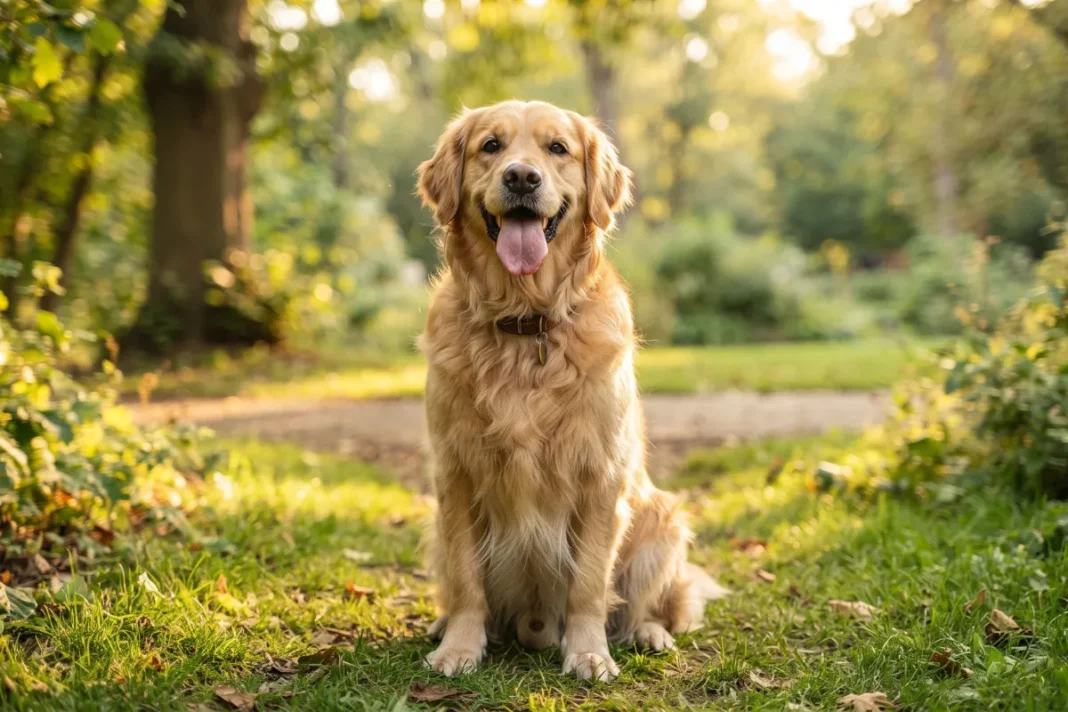

Dogs are far more than pets. For thousands of years, they have shared a unique bond with humans, working alongside us as guardians, hunters, companions, and healers. Because of this deep connection, there’s always something new to discover about them. If you’re searching for fun facts about dogs, you’ve come to the right place — this article brings together 50 fun facts about dogs covering their senses, behavior, breeds, history, and health that will surprise even lifelong owners.
So, let’s dive straight into these fun facts about dogs, starting with something every dog owner notices first: their incredible senses.
Amazing Facts About Dogs and Their Senses
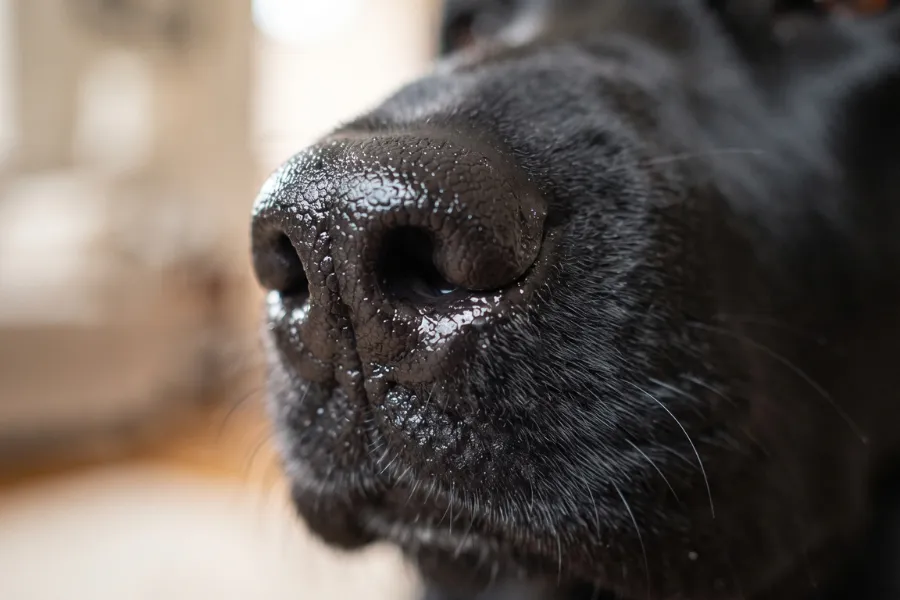
1. Dogs Have an Incredible Sense of Smell
A dog’s nose works far more powerfully than a human’s. While humans carry around 6 million scent receptors, dogs have over 100 million scent receptors, which makes their sense of smell one of the most remarkable in the animal kingdom.
2. A Dog’s Nose Print Is Unique
Just like a human fingerprint, every dog’s nose print differs from every other. No two dogs share the exact same pattern, and in some cases, shelters and breeders have even used this unique print for identification.
3. Dogs Can Detect Scents We Cannot
Unlike humans, who often perceive smell as one blended scent, dogs separate layered scents and identify individual elements within a mixture. As a result, they pick up several smells in the same environment at once.
4. Dogs Can Use Their Noses to Detect Certain Diseases
According to the American Kennel Club, researchers have trained dogs to detect certain disease markers through scent alone. This ability has opened doors for dogs in medical detection, although studies in this area are still ongoing.
5. Dogs Can Sense Changes in Human Emotions
Dogs don’t rely only on words or tone — they also read body language and scent to sense how we feel. That’s often why a dog quietly sits beside someone who seems upset or stressed.
6. Dogs Have Much Better Hearing Than Humans
A dog’s hearing range extends well beyond ours, so they pick up high-frequency sounds that human ears simply cannot detect. Consequently, dogs often react to a doorbell or a visitor before we even notice anything.
7. Dogs Can See Blue and Yellow
Contrary to popular belief, dogs don’t see the world only in black and white. Instead, their vision includes a limited color range, so they can distinguish various shades of blue and yellow.
8. Dogs Have a Remarkable Ability to Track Scents
Dogs follow scent particles left on the ground to locate a person, animal, or object. Because of this tracking ability, they make excellent search-and-rescue dogs.
Fascinating Dog Body and Physical Facts

Beyond their senses, dogs carry a whole set of physical traits that make them uniquely built for survival and companionship.
9. Dogs Have Three Eyelids
Every dog’s eye includes a third eyelid, known as the nictitating membrane. This extra layer protects the eye and keeps it moist and clean.
10. Puppies Are Born Deaf
Newborn puppies cannot hear at all, and their hearing develops gradually over the following weeks. In the beginning, they rely almost entirely on touch and smell.
11. A Dog’s Wet Nose Helps With Smell
A dog’s wet nose isn’t just a coincidence — the moisture traps scent particles more effectively, which sharpens their already powerful sense of smell.
12. Dogs Have Fewer Taste Buds Than Humans
Compared to humans, dogs have far fewer taste buds. Therefore, smell plays a much bigger role than taste when dogs experience food.
13. Dogs Sweat Mainly Through Their Paw Pads
Dogs don’t sweat across their entire body the way humans do. Instead, sweating mostly happens through their paw pads, while panting helps them cool down in warmer weather.
14. Every Dog Has Its Own Physical Characteristics
Each dog breed carries distinct traits in body structure, coat type, and size, and these traits evolved over generations to suit different environments and jobs.
15. Dalmatian Puppies Are Born Without Their Famous Spots
Dalmatian puppies are actually born completely white. Their iconic spots gradually appear over the following weeks as they grow.
Interesting Facts About Dog Behavior

Understanding dog behavior often reveals just how emotionally complex these animals really are.
16. Dogs Can Dream While They Sleep
Like humans, dogs go through sleep cycles, and researchers believe they experience dreams — especially when their legs twitch or their body moves slightly during rest.
17. Dogs Can Curl Up to Protect Their Bodies
When dogs curl up while sleeping, they’re following a natural instinct passed down from their wild ancestors, which helps conserve body heat and protect vital organs.
18. Dogs May Tilt Their Heads When Listening
A head tilt happens for several reasons, such as pinpointing the direction of a sound or getting a clearer view of facial expressions. In other words, this cute habit is actually a sign of alertness.
19. Dogs Circle Before Lying Down
Circling before settling down is an old instinct inherited from wild ancestors, who once used this motion to flatten grass and create a comfortable resting spot.
20. Dogs Use Their Paws and Scent to Mark Territory
Territory marking isn’t limited to urine alone. Dogs also release scent through their paws when scratching the ground, which sends a subtle message to other dogs nearby.
21. Dogs Can Recognize Routines and Time Patterns
Dogs remember daily routines, such as walk times or feeding schedules, because their internal body clock works together with environmental cues.
22. Dogs Can React to Human Emotions
When tension or joy fills a household, dogs often adjust their own behavior in response, which reflects the deep bond between dogs and their owners.
23. Some Dogs Can Show Jealous Behavior
Certain studies suggest dogs display jealousy-like behavior, particularly when their owner gives attention to another pet or person.
24. Yawning Can Be Contagious Between Humans and Dogs
If you yawn in front of your dog, there’s a good chance they’ll yawn too. This contagious yawning offers a fascinating glimpse into the emotional connection between dogs and humans.
More Fun Facts About Dogs: Intelligence and Learning
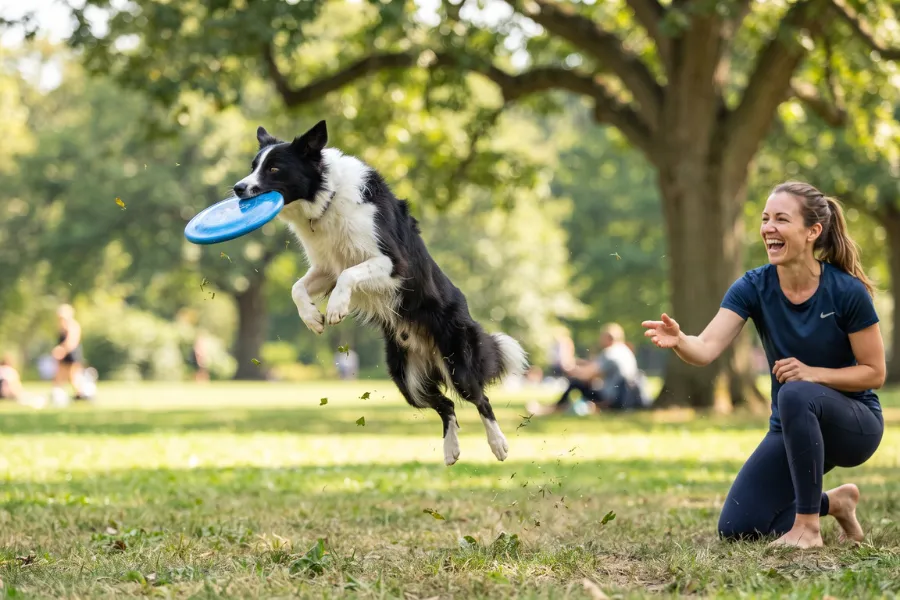
Dog intelligence goes well beyond simple obedience, and these fun facts about dogs prove just how sharp they really are.
25. Some Dogs Can Understand Many Words and Gestures
With consistent training and exposure, many dogs build up a solid vocabulary of words and gestures they recognize. However, the exact number varies depending on the individual dog and its training.
26. Dogs Can Learn Commands Through Repetition
Consistent repetition, combined with positive reinforcement, remains the most effective way to teach dogs new commands, which is why patience matters so much during training.
27. Dogs Can Be Trained to Detect Specific Scents
Through specialized training, dogs learn to identify particular scents, making them extremely valuable in security and detection work.
28. Dogs Can Perform Specialized Jobs
Roles like assistance dogs, therapy dogs, and guide dogs show that dogs offer far more than companionship — they can work almost like trained professionals.
29. Some Dogs Can Predict Familiar Daily Routines
Dogs learn patterns from their owner’s daily actions. For instance, seeing you put on shoes might immediately signal that a walk is coming.
30. Dogs Can Learn Complex Tasks Through Training
With the right training, dogs perform multi-step tasks, such as opening doors or retrieving specific items, which demonstrates impressive intelligence and adaptability.
Incredible Facts About Dog Breeds

31. The Basenji Is Famous for Its Yodel-Like Vocalization
The Basenji breed stays unusually quiet since it doesn’t bark in the typical sense. Instead, it produces a unique yodel-like sound.
32. Greyhounds Are Among the Fastest Dog Breeds
Greyhounds rank among the fastest dog breeds in the world, and they reach impressive speeds over short distances.
33. Bloodhounds Have Exceptional Tracking Abilities
Bloodhounds are famous for their tracking skills, so much so that law enforcement often relies on this breed for scent-tracking work.
34. Great Danes Can Reach Extraordinary Heights
Great Danes stand out for their impressive height, often ranking among the tallest dog breeds in the world.
35. Chihuahuas Are Among the Smallest Dog Breeds
Chihuahuas rank among the smallest dog breeds, yet despite their tiny size, they carry a bold and confident personality.
36. Dachshunds Were Bred to Hunt Badgers
Breeders designed the Dachshund’s long body and short legs specifically for badger hunting, which allowed the dogs to navigate underground burrows easily.
37. The Norwegian Lundehund Was Developed for Puffin Hunting
The Norwegian Lundehund is a unique breed developed to hunt puffins along cliffs, and its unusually flexible body makes this task possible.
38. Australian Shepherds Were Developed in the United States
Despite the name, breeders actually developed the Australian Shepherd in the United States, where it’s primarily used for herding work today.
39. Labrador Retrievers Have a Famous Working History
Labrador Retrievers carry a well-known working history that ranges from assisting fishermen to serving as guide dogs.
40. The Saluki Is Associated With Ancient Egypt
The Saluki is considered one of the oldest known dog breeds, with strong ties to ancient Egypt, where owners historically kept it for hunting.
Amazing Facts About Dogs and Their History

41. Dogs Are Closely Related to Ancient Wolves
Dogs belong to the species Canis lupus familiaris, and their ancestry traces back to wolves, from whom they diverged thousands of years ago.
42. Dogs Have Lived Alongside Humans for Thousands of Years
The domestication of dogs has a long history, and researchers generally consider dogs among the very first animals humans ever domesticated.
43. Ancient Egyptians Kept and Honored Dogs
In ancient Egypt, dogs held a place of honor, and artists frequently featured them in artwork and religious symbolism of the time.
44. Dogs Have Worked With Humans for Centuries
From hunting to herding, dogs have served as working companions to humans across many different tasks throughout history.
45. Dogs Have Been Used for Hunting, Herding and Protection
Breeders developed different breeds specifically for different purposes, which resulted in working dogs, hunting dogs, and dogs bred for protection.
Record-Breaking and Extraordinary Dog Facts
46. Some Great Danes Have Held Height Records
According to Guinness World Records, several Great Danes have held world records for their extraordinary height.
47. Chihuahuas Have Held Smallest-Dog Records
On the opposite end, some Chihuahuas have earned recognition as some of the smallest dogs in the world.
48. Greyhounds Can Maintain High Speeds Over Distance
Greyhounds aren’t just fast — they also maintain their impressive speed consistently over short distances.
49. Bloodhounds Have Been Used in Legal Investigations
Investigators consider the Bloodhound’s tracking abilities so reliable that the breed has assisted in legal investigations on multiple occasions.
50. Dogs Can Perform Jobs That Seem Almost Impossible
From search-and-rescue missions to medical detection, dogs perform tasks that would be nearly impossible for humans to accomplish alone.
Dog Health and Safety Facts Every Owner Should Know

Chocolate Can Be Toxic to Dogs
Chocolate contains theobromine, a compound that’s toxic to dogs, so owners should never give it to their dogs under any circumstances.
Dogs Can Be Trained to Detect Certain Medical Conditions
Some trained dogs have proven helpful in alerting owners to specific medical conditions, though guidance from veterinary professionals remains essential in this area.
A Dog’s Mouth Is Not Simply “Cleaner” Than a Human’s
This is a common misconception. A dog’s mouth carries its own distinct bacterial population, which is simply different from a human’s — not necessarily cleaner or dirtier.
Regular Veterinary Care Matters for Dogs
Every dog needs regular checkups and vaccinations to stay healthy and active throughout its life.
Different Dog Breeds Can Have Different Health Risks
Each breed tends to carry its own specific health tendencies, so breed-appropriate care plays an important role in a dog’s overall wellbeing.
Fun Facts About Dogs for Kids

These fun facts about dogs for kids make a great starting point for young animal lovers:
- Dogs can learn all sorts of fun tricks
- A dog’s nose is incredibly powerful
- Puppies can’t hear anything when they’re born
- Dogs can dream while they sleep
- Every dog has its own unique nose print
- Dogs can see certain colors, like blue and yellow
- Dogs communicate using different sounds
- Some dogs can run extremely fast
- Dogs have been human companions for thousands of years
- Dogs have many different jobs around the world
Frequently Asked Questions About Dogs
What are 10 interesting facts about dogs?
A dog’s nose print is completely unique, their sense of smell is far stronger than a human’s, they dream while sleeping, they have three eyelids, and breeders developed different breeds for entirely different purposes — these are just a few examples covered throughout this article.
What are 100 interesting facts about dogs?
Dogs offer hundreds of interesting facts spanning categories like senses, behavior, intelligence, breeds, history, and health. This article covers all these major categories through 50 engaging fun facts about dogs.
How do you say “I love you” in dog language?
Dogs don’t understand words the way we do — instead, they feel love through actions. Gentle touch, calm body language, quality time, and consistent care are the best ways to show a dog affection.
What are 5 fun random facts about dogs?
- Every dog has a completely unique nose print
- Dogs can see shades of blue and yellow
- Puppies are born completely deaf
- Dogs sweat mainly through their paw pads
- The Basenji breed doesn’t bark the typical way — it yodels instead
What is the most surprising fact about dogs?
Many people are surprised to learn that a dog’s nose print is as unique as a human fingerprint, or that breeders developed entire breeds — like the Norwegian Lundehund — for highly specific jobs like puffin hunting.
Can dogs really sense human emotions?
Yes, dogs pick up on body language, tone of voice, and even scent to sense how the people around them feel.
Do dogs really dream?
Research suggests dogs experience dreams during certain sleep stages, often signaled by small twitches or movements while resting.
Why do dogs tilt their heads?
Head tilting helps dogs pinpoint the direction of a sound or get a clearer view of facial expressions.
Why do dogs circle before lying down?
This old instinct comes from their wild ancestors, who once circled to flatten grass and create a more comfortable resting spot.
Final Thoughts on Fun Facts About Dogs
Overall, dogs are much more than loyal companions — they’re a species full of fascinating senses, behaviors, and history. This collection of fun facts about dogs has covered everything from their incredible sense of smell to their ancient origins, diverse breeds, and important health considerations. So, the next time you spend time with your dog, remember: they’re not just a pet, but part of a friendship that stretches back thousands of years.
Related Reads
If you enjoyed these fun facts about dogs, you might also like exploring: