
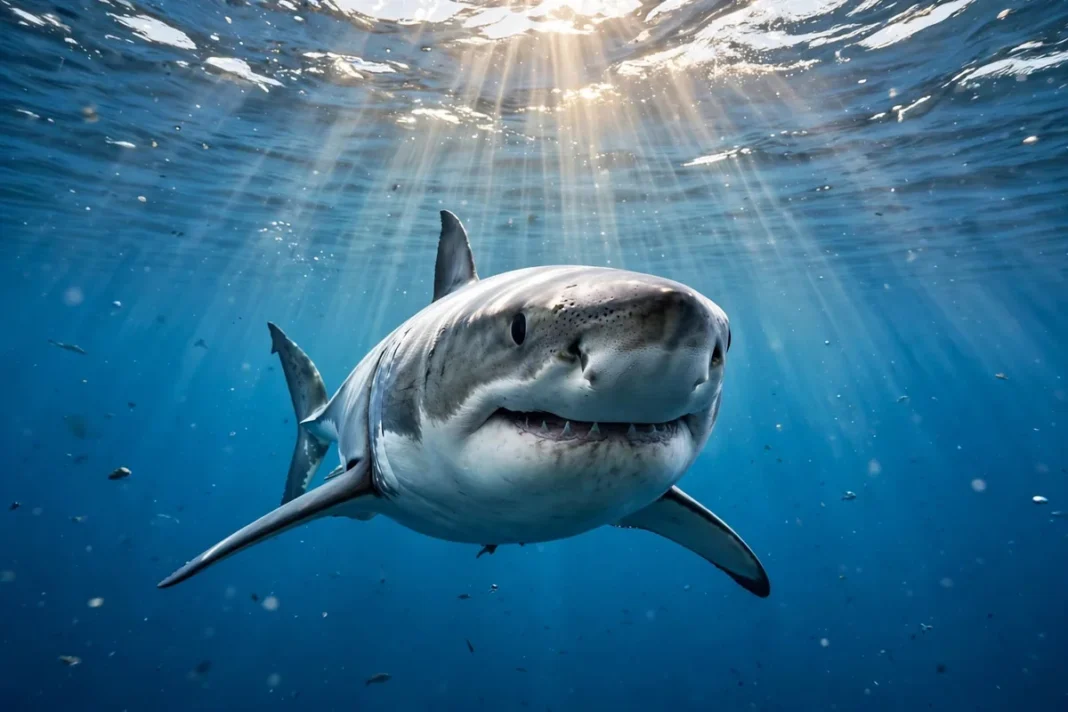

Sharks have long suffered from a terrible reputation, but the truth is far more fascinating than any movie monster story. When you look closely at real shark facts, you discover a group of ancient, highly adapted creatures that are vital to the ocean’s balance. For over 400 million years, these marine animals have evolved into some of the most remarkable predators on the planet. Yet, despite popular belief, most species pose no threat to humans at all.
In fact, learning the true shark facts reveals that we are far more dangerous to them than they are to us. From glowing dwarf species to gentle giants, the underwater world is full of incredible marine life waiting to be understood. Let us dive into these astonishing shark facts to bust the myths and discover why these impressive animals deserve our respect rather than our fear.
Shark Facts: Quick Stats
- Known species: 500+
- Time on Earth: ~450 million years
- Largest: Whale shark (~18.8 m)
- Smallest: Dwarf lanternshark (~20 cm)
- Skeleton: Cartilage, not bone
- Fastest: Shortfin mako (~70 km/h bursts)
- Longest-lived: Greenland shark (272+ years)
Shark Body Facts
Let’s start with the body itself — because these shark facts show just how differently a shark is built from every other fish in the sea.
1. Sharks Have No Bones
Sharks do not have bones, as their entire skeletons are made of cartilage instead. Interestingly, this lightweight material is the same flexible substance found in human ears and noses. As a result, having a cartilaginous skeleton makes them much lighter and far more flexible than bony fish in the water.
2. Dermal Denticles Give Skin a Sandpaper Feel
Shark skin feels like sandpaper because it is entirely covered in tiny tooth-like scales called dermal denticles. Furthermore, these unique structures reduce drag and turbulence as the animal moves through the water. Consequently, these special scales help them swim faster and with remarkably little effort.
3. Backup Teeth Move Like a Conveyor Belt
Sharks replace their teeth constantly throughout their entire lives. In fact, rows of backup teeth sit behind the active ones and move forward like a conveyor belt whenever a tooth falls out. As a result, a single individual can lose tens of thousands of teeth in its lifetime.
4. Tooth Shapes Match Specific Diets
Not all sharks have the same teeth, as the shape of their teeth directly matches their specific diet. For example, some species feature flat, crushing teeth designed to crack open hard shellfish. Meanwhile, other species possess sharp, serrated triangles perfect for gripping and tearing large prey.
5. Ampullae of Lorenzini Provide a Sixth Sense
Sharks have a sixth sense thanks to special electroreceptive organs called ampullae of Lorenzini. Located around their snouts, these small pores detect the tiny electric fields made by other animals’ muscles. In fact, this secret sense lets them locate prey that is completely hidden beneath the sand.
6. Reflective Layers Enhance Low-Light Vision
Most sharks have good eyesight, which allows them to track movement accurately underwater. In addition, they possess a reflective layer of tissue behind the retina that helps them see clearly in dim light. Consequently, this adaptation gives them a distinct advantage when hunting at dawn, dusk, or in deep ocean waters.
7. Vertebrae Rings Reveal a Shark’s Age
Scientists age sharks by counting the growth rings on their vertebrae, much like counting rings in a tree trunk. As the animal grows, distinct light and dark bands form within these cartilaginous backbones over time. Interestingly, studying these rings allows researchers to determine how old an individual is and track species growth rates.
8. Spiracles Allow Resting Sharks to Breathe
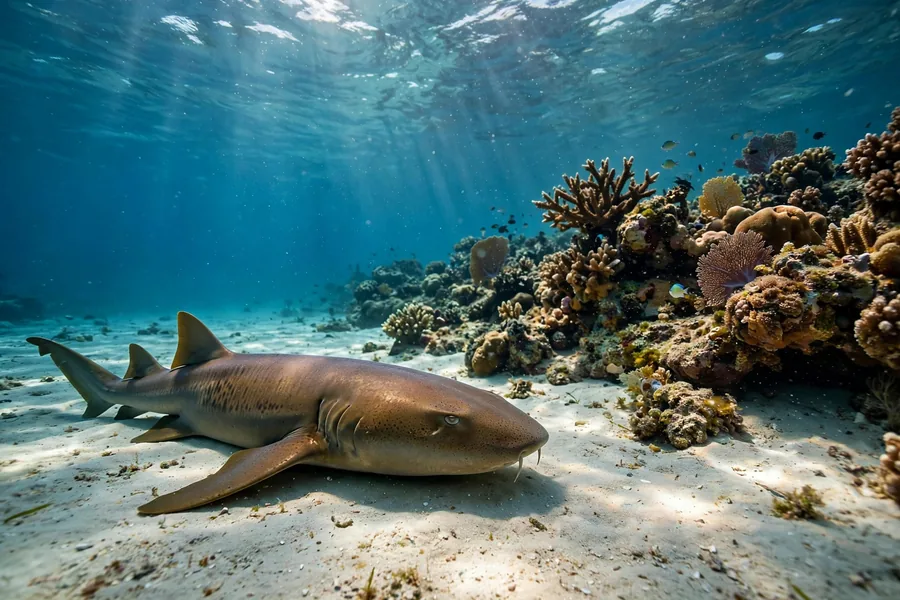
Some sharks must swim constantly to push oxygenated water over their gills, but many species can actively pump water while resting. For example, bottom-dwellers use specialized openings called spiracles located directly behind their eyes to pull in water. As a result, these ocean dwellers can remain motionless on the seafloor without suffocating.
Hunting and Super Senses
9. Sharp Smell Detects Minute Traces of Blood
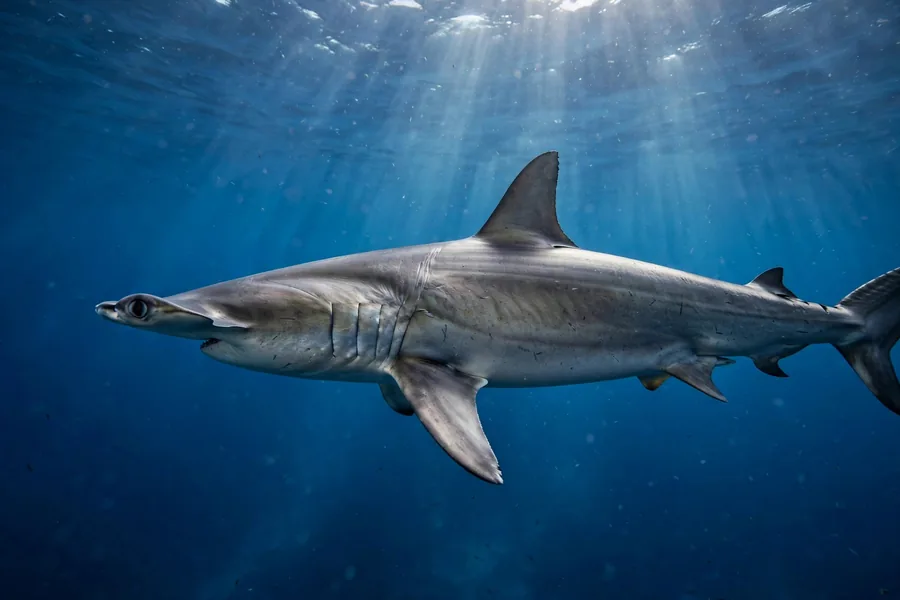
Some shark species can detect blood in the water at concentrations as low as one part per million. However, this incredible sense of smell does not mean they automatically attack everything in sight. Instead, it allows them to trace distant scents across vast ocean stretches to locate potential food sources.
10. Ears Hear Low-Frequency Sounds from Afar
Sharks hear low-frequency sounds extremely well across long distances in the open ocean. In fact, they are especially sensitive to the irregular, low-pitched pulses made by an injured or struggling fish. As a result, these acoustic cues alert them to easy meals long before they can see their prey.
11. The Lateral Line Senses Every Vibration
A shark’s lateral line consists of a row of fluid-filled sensors running along the side of its body. Furthermore, this tactile system picks up subtle vibrations and pressure changes in the water around it. Consequently, it acts as a secondary spatial map, helping the predator detect nearby moving objects even in pitch darkness.
12. Great Whites Breach Fully Above Water
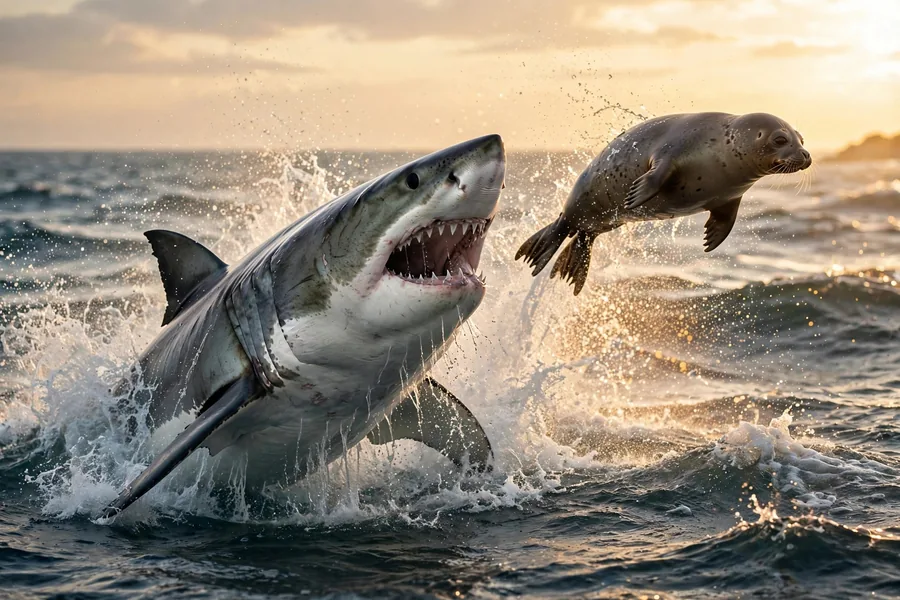
Great white sharks can breach, launching their whole body completely out of the water while hunting seals. For example, they charge from deep below at high speeds to hit their prey with immense force. Meanwhile, seeing a massive ocean predator fully airborne remains one of nature’s most spectacular hunting displays.
13. Flipped Over, Sharks Fall Into a Trance
Flip a shark upside down and it may slip into a natural, temporary trance called tonic immobility. Interestingly, this disorienting state leaves the animal completely relaxed and motionless for several minutes. As a result, researchers often use this harmless phenomenon to handle individuals safely while collecting biological data.
14. Unique Spot Patterns Act Like Fingerprints
Every whale shark’s spot pattern is unique, functioning just like a human fingerprint. Furthermore, these intricate white dots and lines remain unchanged throughout the giant fish’s long lifespan. Consequently, researchers identify individual animals from photographs to track their migration patterns across global oceans.
15. Blue Camouflage Blends into Deep Water
Blue sharks really are blue on top, featuring a striking indigo color along their backs. Interestingly, this vivid coloring works as clever camouflage, fading into the dark ocean depths when viewed from above and blending into bright surface waters from below. As a result, this countershading helps them stalk prey unnoticed.
Record-Breaking Sharks
Some shark facts sound too wild to be true — but every record in this section is the real thing.
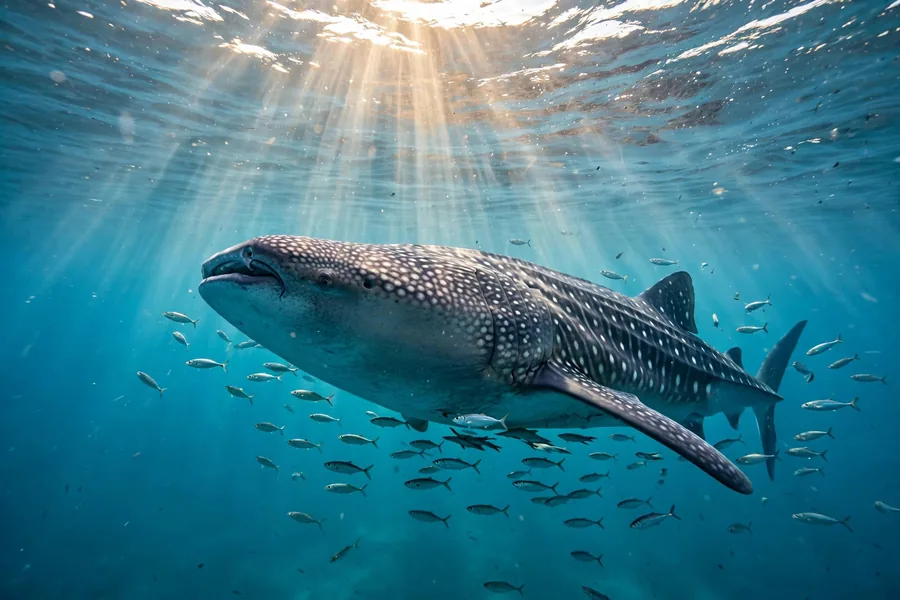
16. The Whale Shark Claims the Largest Size
The whale shark is the largest fish in the world today. In fact, the largest reliably measured individual was about 18.8 metres (61.7 ft) long and weighed many tons. However, despite their massive size, these gentle giants feed strictly on tiny plankton and small fish as they glide through warm waters.
17. The Tiny Dwarf Lanternshark Fits in Your Hand
The dwarf lanternshark is the smallest shark known to science. At roughly 20 cm in length, this tiny deep-sea creature can comfortably fit right in a human hand. Furthermore, like other lanternsharks it carries light-producing organs along its belly, which scientists believe help camouflage its silhouette in the dark water.
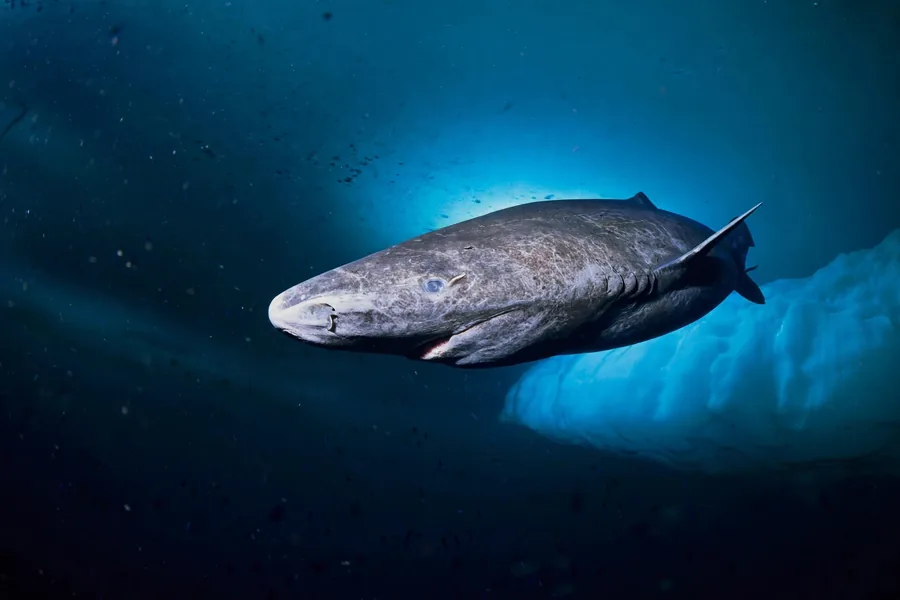
18. The Greenland Shark Lives for Centuries
The Greenland shark is the longest-living vertebrate known, with individuals estimated to be at least 272 years old, and possibly close to 500. Living in icy Arctic depths, their extremely slow metabolism allows them to age at a remarkably sluggish pace. You can meet this ancient shark again in our ocean facts guide.
19. The Shortfin Mako Achieves Top Speeds
The shortfin mako is the fastest shark in the sea, reaching burst speeds of around 70 km/h. For example, their streamlined bodies and specialized muscle structures allow them to chase down swift prey like tuna and swordfish. Consequently, these impressive bursts of speed can even send them leaping high above the ocean surface.
20. The Extinct Megalodon Reached Monstrous Proportions
The megalodon, extinct for about 3.6 million years, was the largest predatory shark ever to roam the oceans. In fact, its impressive teeth alone can measure up to 18 cm long, dwarfing those of modern species. Meanwhile, fossil evidence shows that this prehistoric giant preyed upon large marine mammals across warm ancient seas.
21. Ancient Origins Predate Trees and Dinosaurs
Sharks have been on Earth for about 450 million years, showcasing an astonishing evolutionary success story. Furthermore, this long history means they are far older than trees and older than the dinosaurs. As a result, these resilient creatures have survived multiple mass extinction events across deep geological time.
22. Slow Digestion Sustains Great Whites for Weeks
One big meal can fuel a great white shark for a month or more. For example, after consuming a blubber-rich marine mammal like a sea lion, their digestive process works slowly to process energy efficiently. Consequently, they do not need to hunt continuously, often spending weeks cruising peacefully between substantial feedings.
23. Cookiecutters Take Small Round Bites
Cookiecutter sharks bite perfect round plugs of flesh out of whales, tuna, and even other sharks. Interestingly, these small deep-water predators use specialized suction lips and razor-sharp bottom teeth to scoop out neat circular patches. As a result, they leave distinct, bowl-shaped scars on animals many times their own size.
Sharks and People: Myths Busted
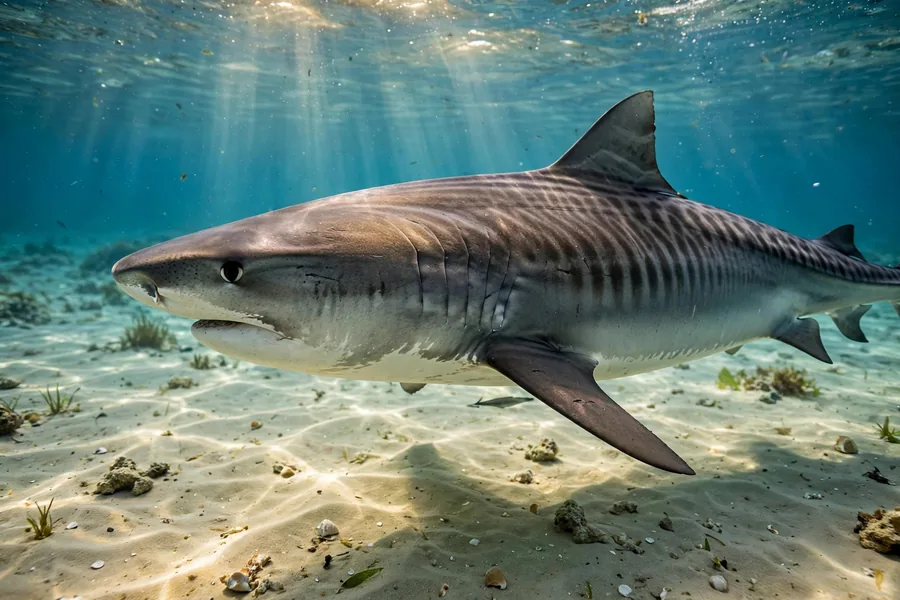
24. Most Species Are Entirely Harmless
Of the 500+ shark species, only about a dozen have ever been involved in bites on humans. In fact, the vast majority of species are shy, secretive creatures that avoid contact with people whenever possible. As a result, swimming in the ocean is remarkably safe when compared to everyday risks on land.
25. Unprovoked Incidents Are Exceptionally Rare
Unprovoked shark bites are extremely rare occurrences in oceans worldwide. For example, fewer than 50 unprovoked bites were recorded worldwide in all of 2024. Consequently, the popular image of aggressive sea monsters actively hunting humans is completely unsupported by modern statistical evidence.
26. Cancer Immunity Claims Are False
The claim that sharks never get cancer is a widespread myth that has harmed ocean populations. In fact, scientists have documented tumours in sharks on numerous occasions, proving they are vulnerable to cellular diseases. Furthermore, consuming shark cartilage pills does not cure anything and contributes directly to unsustainable overfishing.
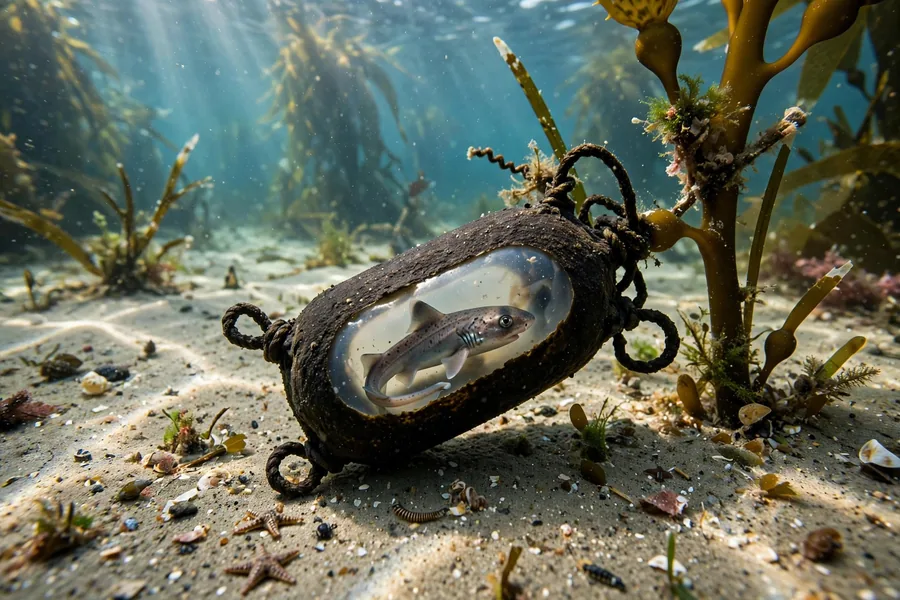
27. Diverse Reproduction Includes Eggs and Live Birth
Sharks reproduce in surprisingly diverse ways depending on the specific species. For instance, some lay tough egg cases nicknamed “mermaid’s purses” that anchor to rocks or seaweed on the seafloor. Meanwhile, other species develop embryos internally and give birth to fully formed, live pups ready to swim on their own.
28. Epaulette Sharks Walk Outside Water
The epaulette shark can “walk” across shallow reef flats on its sturdy paddle-like fins at low tide. Furthermore, this unique ability allows it to navigate between isolated tide pools when water levels drop. As a result, it can survive in oxygen-poor environments while hunting for small crabs trapped on the exposed reef.
29. Humans Pose the Primary Threat
Humans are the real danger in this marine relationship rather than the animals themselves. In fact, scientists estimate around 100 million sharks are killed by people every year due to commercial fishing, finning, and accidental bycatch. Consequently, many species now face severe population declines and urgent threats of extinction.
30. Top Predators Keep Oceans Balanced
Sharks keep oceans healthy by maintaining balance throughout complex marine food webs. As top predators, they control prey populations and remove sick or weak animals from wild stocks. As a result, whole marine ecosystems suffer and decline when sharks disappear from their natural ocean habitats.
Shark Facts: Frequently Asked Questions
Do sharks really have no bones?
Yes, sharks completely lack true bones and instead have a skeleton made of lightweight, flexible cartilage. This unique anatomy keeps them agile in the water, though it also means their fossils consist mostly of hard teeth.
Are sharks dangerous to humans?
Sharks are very rarely dangerous, as most species actively avoid humans and pose no threat at all. In fact, fewer than 50 unprovoked bites were recorded worldwide in 2024, proving how exceptionally uncommon these encounters are.
How many shark species are there?
There are currently more than 500 known species of sharks living throughout the world’s oceans. These diverse creatures range from the tiny 20 cm dwarf lanternshark to the massive, filter-feeding whale shark.
What is the biggest shark in the world?
The whale shark holds the title of the biggest shark and the largest overall fish species in the world today. The largest individual ever reliably measured stretched to an impressive length of about 18.8 metres.
Do sharks sleep?
Sharks do not sleep in the same way humans do, but they do experience periods of rest. Many open-ocean species rest while swimming slowly, while others, like nurse sharks, remain motionless on the seabed during deep rest states.
Do sharks have to keep swimming or they will die?
The idea that all sharks must swim constantly is a myth that applies to only a few open-ocean species. While some need continuous forward motion to breathe, many species can easily pump water over their gills while remaining still.
Understanding these fascinating shark facts helps us see these apex predators as vital components of marine environments rather than creatures to be feared. By dispelling common myths and protecting declining populations, we ensure our ocean ecosystems remain healthy for generations to come. Sharing these astounding discoveries is a great way to inspire ocean conservation everywhere. If you enjoyed discovering these marine insights, dive even deeper and explore our complete fun facts about animals collection.
Sources: NOAA Fisheries, Smithsonian Ocean, Florida Museum of Natural History, WWF. Every fact in this article was checked against sources like these before publishing.