
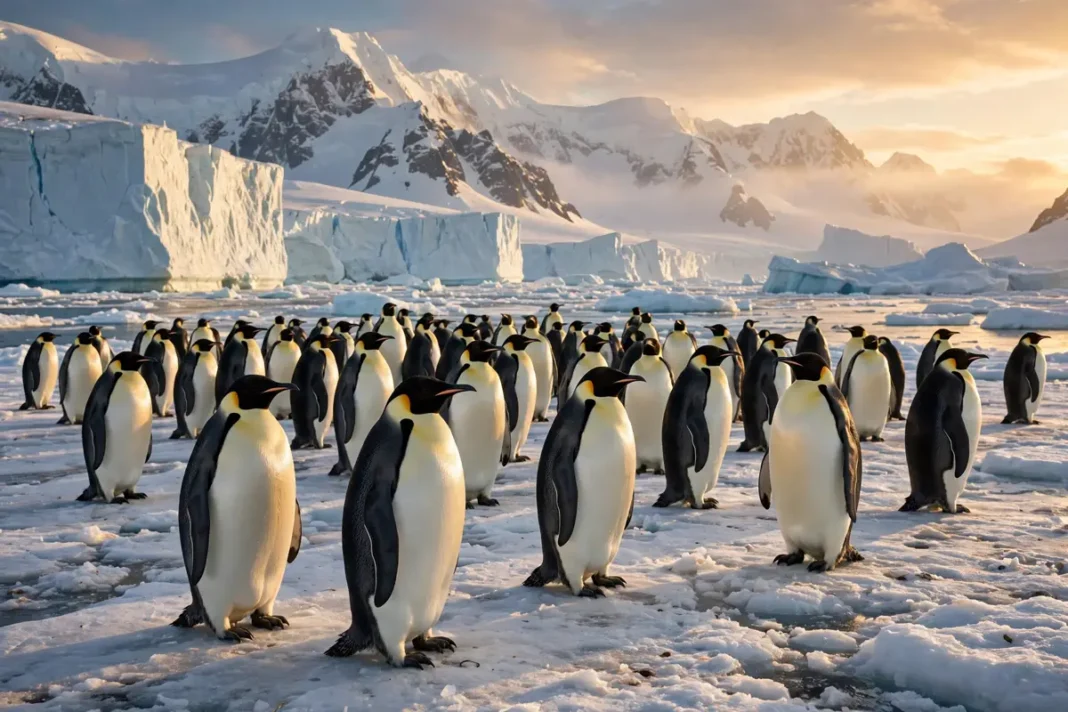

Some birds soar through the sky. Penguins do something even better — they fly through the sea. If you love fun facts about penguins, you have come to the right place. These tuxedo-wearing birds cannot fly in the air at all, yet they are some of the fastest, deepest and toughest swimmers on the planet.
Penguins live only in the Southern Hemisphere, from the frozen shores of Antarctica to warm beaches near the equator. They waddle on land, slide on their bellies and raise their chicks in colonies of thousands. In fact, every part of their life holds a surprise.
So get ready. Here are 25 fun facts about penguins that will make you smile, starting with the sea they call home. And since penguins are true ocean birds, you may also enjoy our ocean facts when you are done here.
Built for the Sea
1. Penguins “Fly” Underwater
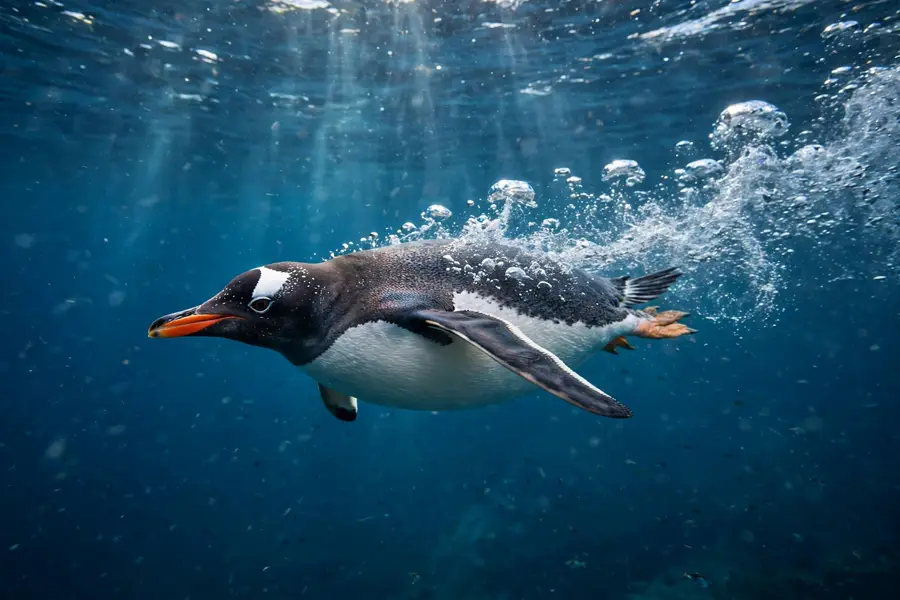
A penguin’s wings are not made for the sky. Over time, they turned into stiff, flat flippers. Underwater, a penguin beats these flippers up and down in the exact same motion that other birds use to fly through the air. So penguins never really gave up flying. They simply moved it from the sky into the sea, where it works even better.
2. The Gentoo Is the Fastest Penguin
Most penguins cruise along at gentle speeds, but the gentoo penguin is a true sprinter. Indeed, it is the fastest penguin in the world and can reach speeds of around 36 kilometres per hour underwater. Long tail feathers and strong flippers help it twist, turn and escape hungry seals in a flash.
3. A Tuxedo That Hides Them
That smart black-and-white outfit is not just for looks. It is camouflage, called countershading. From above, a penguin’s black back blends into the dark ocean, so hunters looking down cannot spot it. From below, however, its white belly matches the bright surface, hiding it from predators looking up. The tuxedo keeps penguins safe from both directions at once.
4. They Can Drink Seawater
Penguins spend so much time in the ocean that fresh water is hard to find, so they simply drink the sea. A special gland above their eyes pulls the extra salt out of their blood. The salty liquid then drips down and is shaken off the tip of the beak. Bird experts at Audubon point out this neat trick lets penguins live far from rivers and lakes.
5. Built-In Goggles
Most animals see clearly either in air or in water, but rarely both. Penguins manage both. Their eyes are built to work well on land and sharp underwater, where they need to spot fish, krill and squid while hunting. It is like wearing perfect goggles all the time — handy when dinner swims away fast.
Life on the Ice
6. Tobogganing Beats Walking
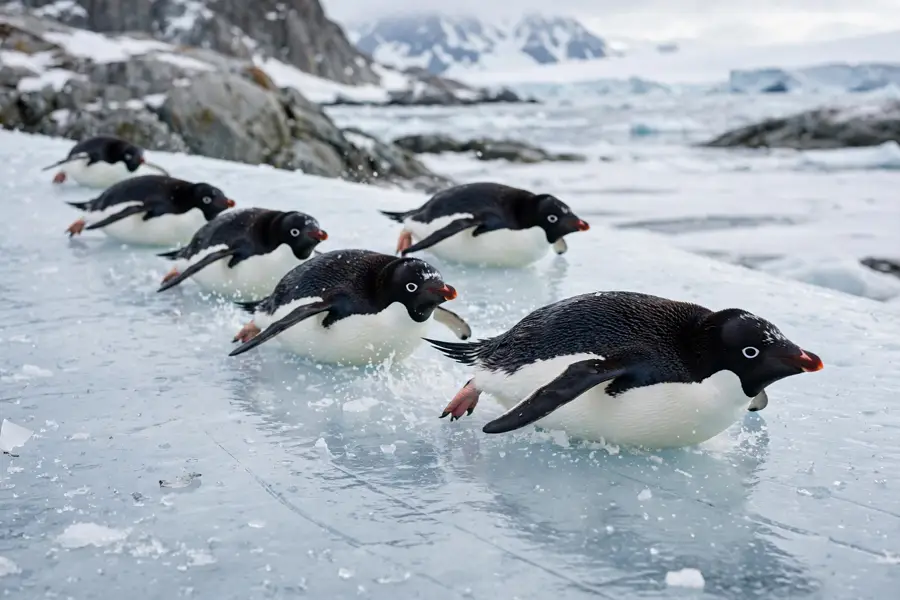
Walking on ice is slow, tiring work when your legs are short. So penguins often flop onto their bellies and slide instead. This is called tobogganing. They push themselves along with their feet and flippers, gliding smoothly over snow and ice. It looks like pure fun, and it is also a smart way to travel long distances without wasting energy.
7. Breeding in the Coldest Winter on Earth
One of the toughest fun facts about penguins is this: emperors raise their chicks in the Antarctic winter, when temperatures can drop to around -60°C. To survive, the males huddle together in a tight, warm group. The birds on the cold outside edge slowly shuffle into the middle, so everyone gets a fair turn in the warm centre. Teamwork keeps the whole colony alive.
8. The Catastrophic Molt
Once a year, penguins go through something called a catastrophic molt. Instead of losing feathers a few at a time, they lose all of them at once over about two to three weeks. During this time they cannot swim, because bare skin is not waterproof. So penguins stay on land and fast, living off stored fat until their shiny new feathers grow back.
9. Waterproof Feathers, Fluffy Chicks
Adult penguins have some of the densest feathers of any bird. They spread oil from a gland near the tail over their feathers, which makes them waterproof and keeps the cold sea out. Penguin chicks are different. They are covered in soft, fluffy down that is not waterproof at all. As a result, chicks stay safely on land until their adult feathers grow in.
10. Most of Life Is Spent at Sea
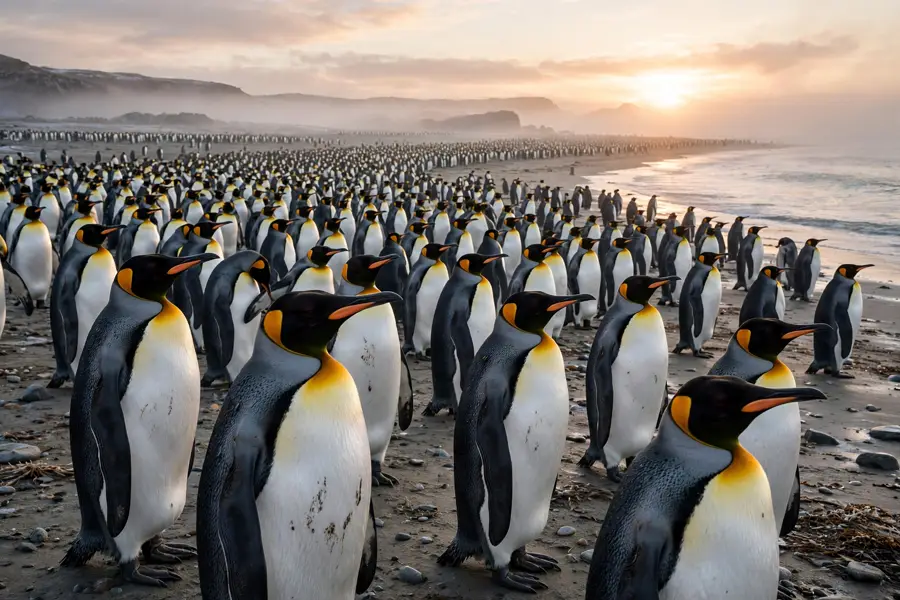
Penguins may be famous for waddling on ice, but the ocean is their real home. They spend up to about 75% of their lives in the water. The sea gives them food, safety and endless room to swim. In fact, most penguins only come ashore for two reasons: to breed and raise chicks, and to molt their old feathers once a year.
Penguin Families
11. Many Penguins Mate for Life
Penguins are romantics at heart. Many species pair up with the same partner season after season, returning to the same nesting area to find each other again. Some pairs stay together for years. After months apart at sea, the partners greet each other with calls and gentle displays, almost like old friends meeting again after a long trip away.
12. A Pebble Can Be a Proposal
When an Adélie penguin wants to impress a female, he does not bring flowers. He brings a pebble. Smooth stones are precious in Antarctica because nests are built from them, so a fine pebble is a serious gift. If she accepts it, the pair then build their nest together. Some sneaky penguins skip the hard work and steal pebbles from their neighbours’ nests instead. This pebble gift is one of the most loved fun facts about penguins.
13. Dads Who Fast for Two Months
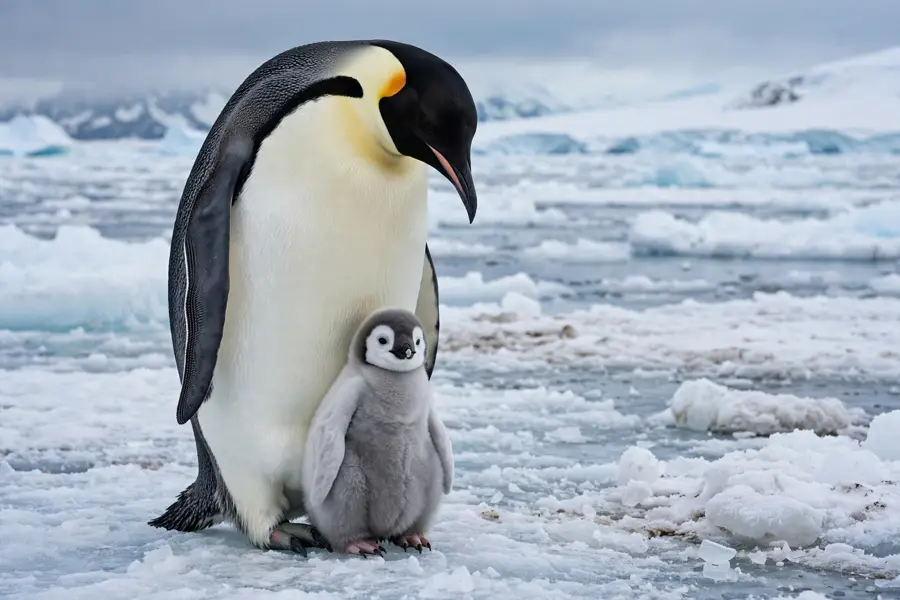
Emperor penguin fathers take babysitting to an extreme. After the female lays a single egg, the male balances it on his feet, tucked under a warm fold of skin. He guards it for around two months through the bitter winter, eating nothing the whole time. Meanwhile, the female travels to the sea to feed and returns when the chick hatches.
14. Dads Can Make “Milk” Too
If an emperor chick hatches before its mother returns from the sea, the father has a backup plan. He produces a milky substance in his throat, often called crop milk, and feeds it to the tiny chick. It is not much, but it keeps the chick alive for those first few days. Few bird dads anywhere in the world can do this.
15. Finding Your Chick in a Crowd of Thousands
A penguin colony can hold thousands of chicks, all calling at once. Yet returning parents walk straight to their own chick. Each penguin has a unique voice, a bit like a fingerprint made of sound. Parents and chicks learn each other’s call and listen for it in the noise. It is one of the sweetest fun facts about penguins — family always finds family.
Records and Extremes
16. The Emperor Is the Tallest Penguin
The emperor penguin is the giant of the family. It stands over one metre tall, and the biggest birds reach about 1.2 metres — roughly the height of a six-year-old child. A large emperor can weigh up to around 40 kilograms too. In fact, its size helps it store fat and survive months of Antarctic winter without a single meal.
17. The Little Penguin Is Tiny
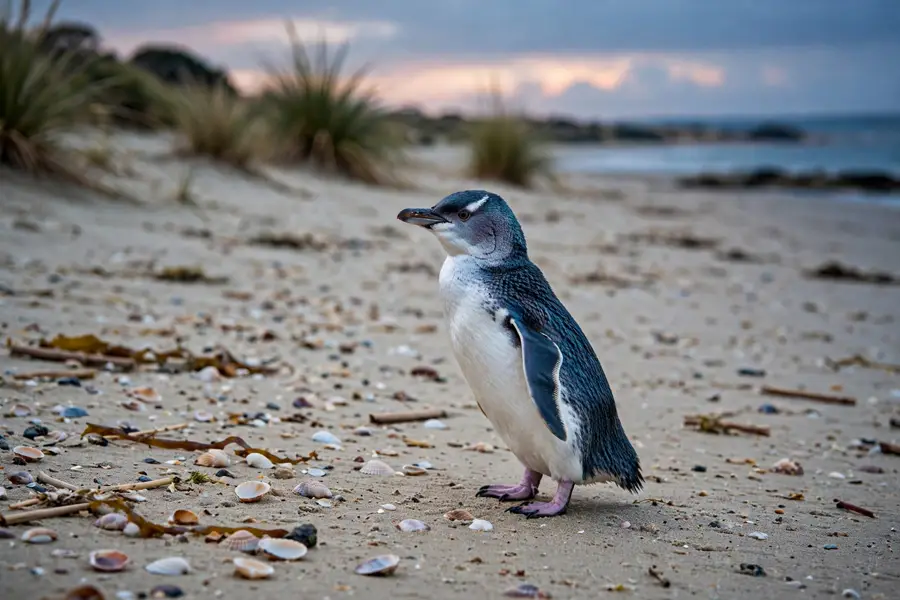
At the other end of the scale sits the little penguin, also called the fairy penguin. It stands only about 33 centimetres tall — about the size of a bowling pin — and weighs around one kilogram. These tiny blue-grey penguins live around Australia and New Zealand. They hunt at sea all day and waddle ashore after dark to rest.
18. Divers That Go Deeper Than 500 Metres
Emperor penguins are champion divers. They can plunge deeper than 500 metres below the surface, down into cold, dark water where few animals dare to go. A single dive can last around 20 minutes. Solid bones, a slower heartbeat underwater and blood that holds extra oxygen make these dives possible.
19. A Fossil Penguin Almost 2 Metres Tall
Penguins used to be far bigger. About 37 million years ago, a giant species known as the colossus penguin walked the Earth. It stood nearly two metres tall — taller than most people. Its fossil bones were found in Antarctica in 2014, and scientists then pieced together just how enormous it was. Today’s emperors are giants, but their ancient cousin was a true monster.
20. Around 18 Species, All Down South
There are around 18 penguin species in the world, from the mighty emperor to the tiny little penguin. Every single one lives in the Southern Hemisphere. You can find them in Antarctica, South America, Africa, Australia and New Zealand. Not one species lives naturally in the north — the Arctic has no penguins, and never has.
Strange but True
21. Penguins Never Meet Polar Bears
Cartoons love to draw penguins and polar bears together, but it never happens in the wild. Penguins live at the bottom of the world, around Antarctica and the Southern Hemisphere. Polar bears live at the very top, in the Arctic. In other words, the two animals are separated by the whole planet. In the end, they only ever meet in zoos — and in picture books.
22. Some Penguins Live at the Equator
Not all penguins need ice and snow. Galápagos penguins live right near the equator, on rocky islands under the hot sun. They are the only penguins that sometimes stray just north of the equator. African penguins also live on warm, sunny beaches in South Africa. Luckily, cold ocean currents bring them the chilly water and rich food they need.
23. The “Jackass” Penguin
African penguins have a nickname that makes people laugh: jackass penguins. They earned it honestly. Their call is a loud, braying sound that is almost exactly like a donkey. A whole colony calling at once is quite a concert. Sadly, these noisy penguins are now endangered, and people are working hard to protect their beach colonies in South Africa.
24. Not All Penguins Are Black and White
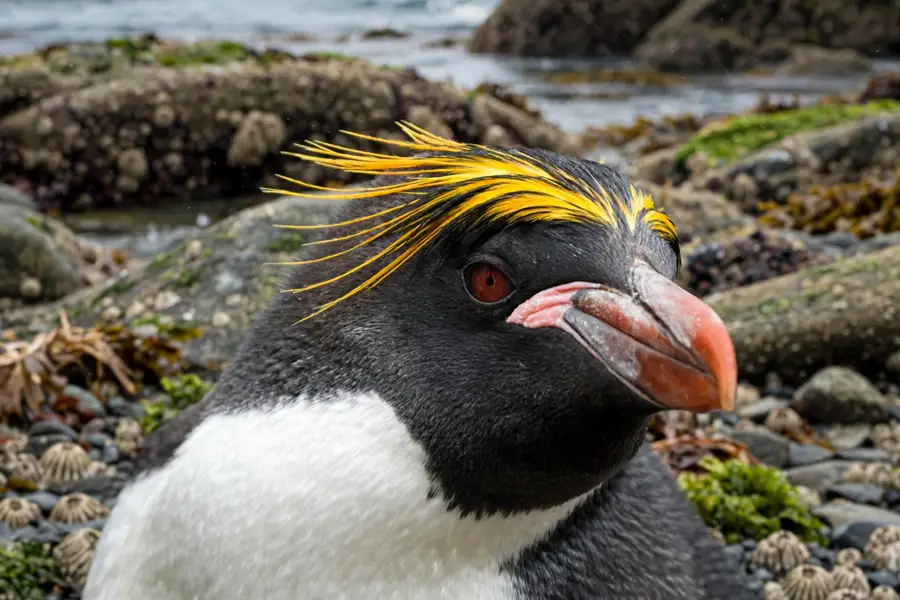
The classic tuxedo look is famous, but some penguins dress much louder. Macaroni penguins and rockhopper penguins wear bright yellow and orange crest feathers that stick out like wild eyebrows. Rockhoppers also have striking red eyes. These bold styles also help penguins recognise their own species in busy colonies — and they make these birds some of the most fun to spot.
25. Penguins Once Ruled the Sky
Here is a strange thought to end on: penguins come from birds that could fly. Long ago, their ancestors soared through the air like other seabirds. Over millions of years, life in the rich southern oceans rewarded strong swimmers instead of fliers. So penguins traded the sky for the sea, wing by wing, until their wings became the finest flippers in the bird world.
Fun Facts About Penguins — FAQs
Can penguins fly?
No — and this is one of the most surprising fun facts about penguins. Penguins are flightless birds, and their wings have become flippers. But they use the same beating motion underwater that flying birds use in the air, so in a way they still fly — just through the sea instead of the sky.
Do penguins live with polar bears?
No, never in the wild. Penguins live in the Southern Hemisphere, down around Antarctica, while polar bears live in the Arctic in the far north. The two animals live at opposite ends of the Earth and only meet in zoos.
What do penguins eat?
Penguins eat seafood: mainly krill, small fish and squid. They catch everything at sea and swallow it whole. Tiny krill feed the big Antarctic species, while penguins in warmer places hunt small fish like anchovies and sardines.
How long can a penguin hold its breath?
It depends on the species. Emperor penguins are the champions and can stay underwater for around 20 minutes on a deep dive. Most other penguins, in contrast, stay under for just a few minutes at a time before popping back up for air.
Which penguin is the biggest, and which is the smallest?
The emperor penguin is the biggest, standing up to about 1.2 metres tall and weighing as much as 40 kilograms. The smallest is the little penguin, at only about 33 centimetres tall and roughly one kilogram — a real giant-and-dwarf pair in one family.
Why do penguins waddle?
A penguin’s legs sit far back on its body, which makes a perfect rudder for steering underwater but a wobbly walk on land. Waddling side to side actually saves energy, swinging the body like a pendulum. And when the ground is smooth, penguins instead skip walking altogether and toboggan on their bellies.
From underwater flight to pebble proposals, fun facts about penguins show that these birds are far more than cute waddlers in tuxedos. They are record-breaking divers, devoted parents and survivors of the coldest place on Earth. If these birds made you smile, keep exploring with our hub of fun facts about animals — there are plenty more amazing creatures waiting for you there.