
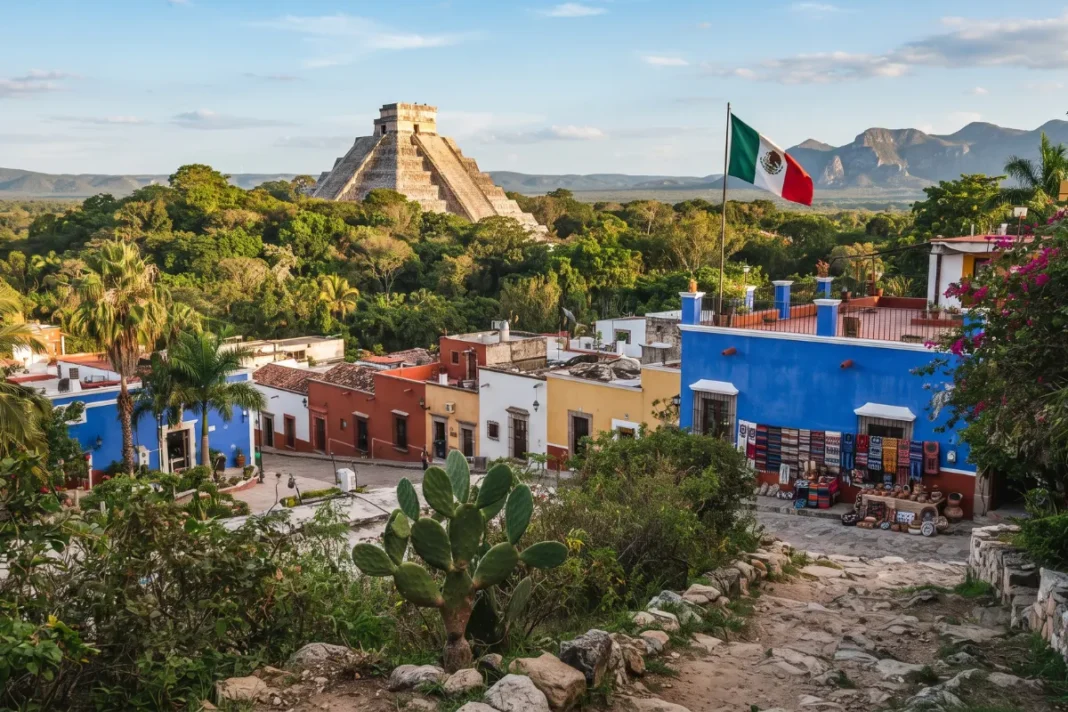

Mexico is a country full of color, history, food, ancient civilizations, and incredible landscapes. These fun facts about Mexico reveal a side of the country that goes far beyond tacos, beaches, and mariachi music. From the ancient city of Tenochtitlan to mysterious cenotes, giant pyramids, unique animals, and fascinating traditions, Mexico has plenty of surprises waiting to be discovered.
Whether you are interested in Mexican culture, history, geography, food, or unusual places, these facts about Mexico will give you a better look at what makes the country so fascinating.
31 Fun Facts About Mexico
1. Mexico Has 68 Indigenous Languages
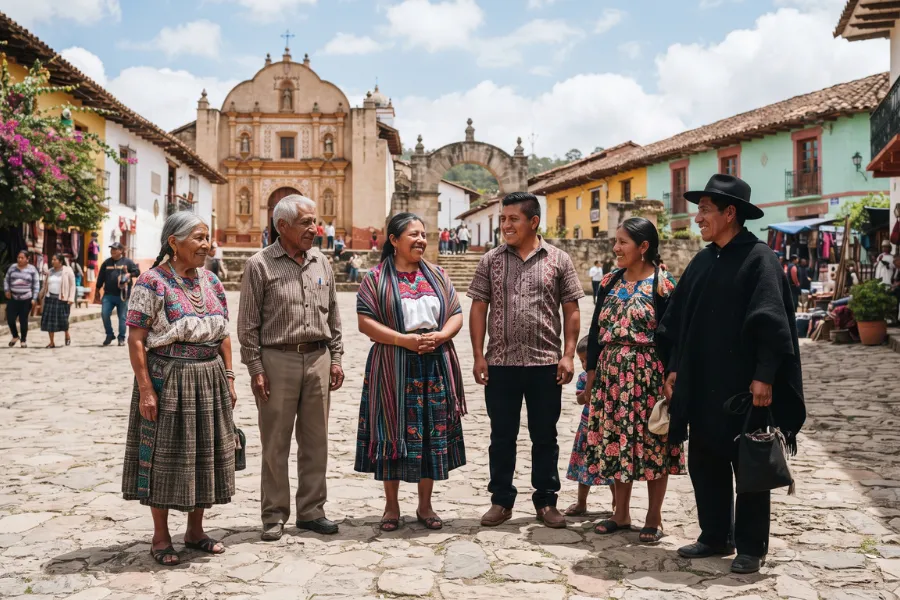
One of the most interesting facts about Mexico is its incredible linguistic diversity.
Mexico recognizes 68 Indigenous language groups alongside Spanish. These languages include Nahuatl, Maya, Mixtec, Zapotec, and many others spoken by communities across the country. This diversity reflects Mexico’s long Indigenous history. Many of these languages existed for centuries before Spanish became dominant. As a result, Mexico is much more linguistically diverse than many people realize.
2. Mexico City Was Built Over Tenochtitlan
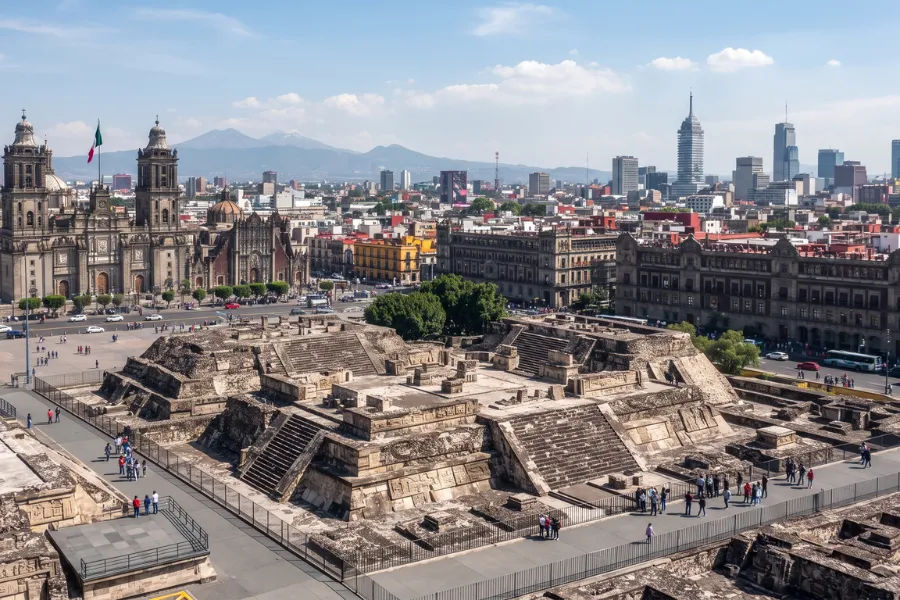
Mexico City has a remarkable connection to the ancient world.
The modern capital stands on the site of Tenochtitlan, the great Mexica capital founded in the 14th century. The ancient city grew around a lake and became one of the most important urban centers in Mesoamerica. After the Spanish conquest, the colonial city developed over much of the old settlement. Today, Mexico City combines modern buildings, historic neighborhoods, museums, and archaeological remains in one enormous metropolis.
3. Mexico City Is Slowly Sinking
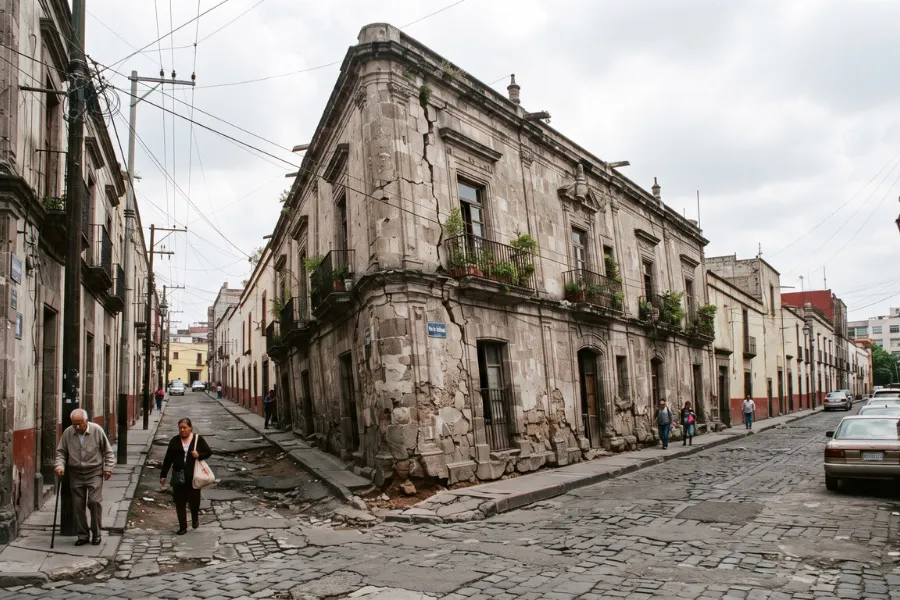
Here is another surprising Mexico City fact.
The capital was built in a basin that once contained large lakes. Over time, groundwater extraction and the soft lakebed beneath the city have contributed to land subsidence. Some areas sink faster than others, making this a major engineering and environmental challenge. Therefore, Mexico City is not only one of the world’s largest urban areas but also one of the most unusual cities from a geological perspective.
4. Mexico Has 36 UNESCO World Heritage Properties
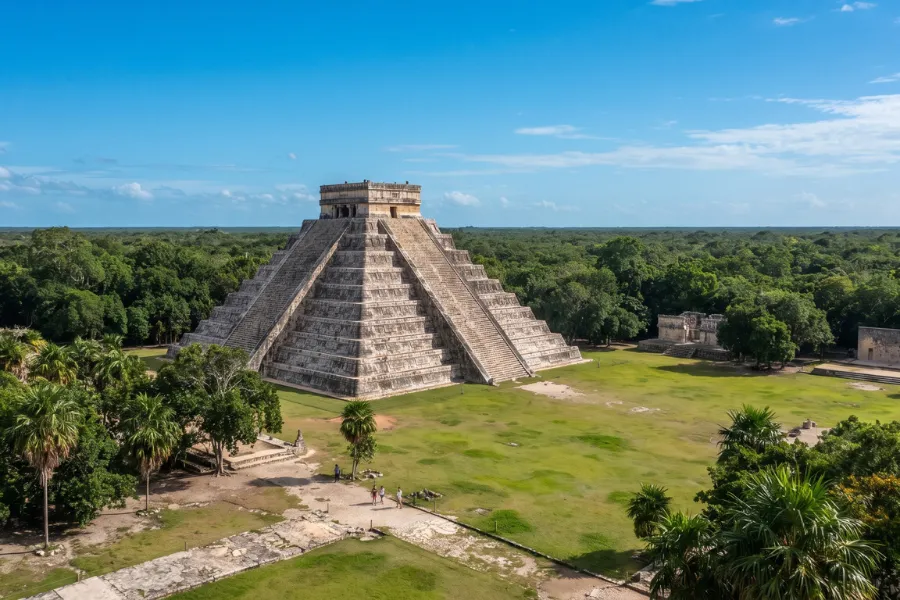
Mexico has one of the richest collections of internationally recognized cultural and natural heritage in the Americas.
UNESCO currently lists 36 World Heritage properties in Mexico. They include archaeological sites, historic cities, cultural landscapes, and natural areas. Places such as Chichén Itzá, Teotihuacan, and the historic center of Mexico City highlight different chapters of the country’s history. For travelers interested in heritage, this makes Mexico an especially fascinating destination.
5. Mexican Cuisine Has UNESCO Recognition
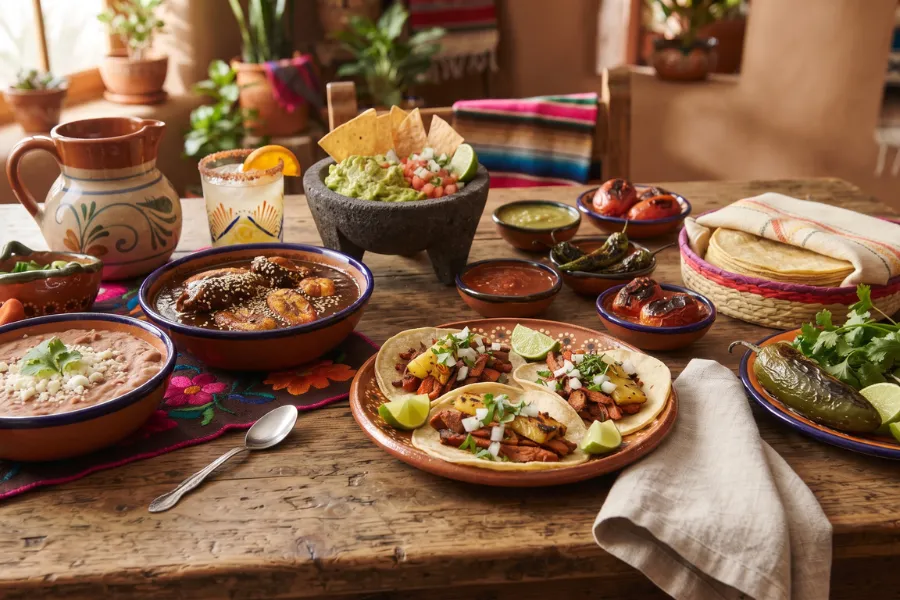
Mexican food is famous around the world, but there is more to it than its popularity.
Traditional Mexican cuisine was added to UNESCO’s Representative List of the Intangible Cultural Heritage of Humanity in 2010.The recognition focuses on the cultural system behind the food, including farming, preparation methods, ingredients, and community traditions. Corn, beans, chili peppers, tomatoes, herbs, and other native ingredients have played important roles in Mexican cooking for generations. So, Mexican cuisine is not simply food. It is an important part of the country’s cultural identity.
6. Mexico Has More Spanish Speakers Than Any Other Country
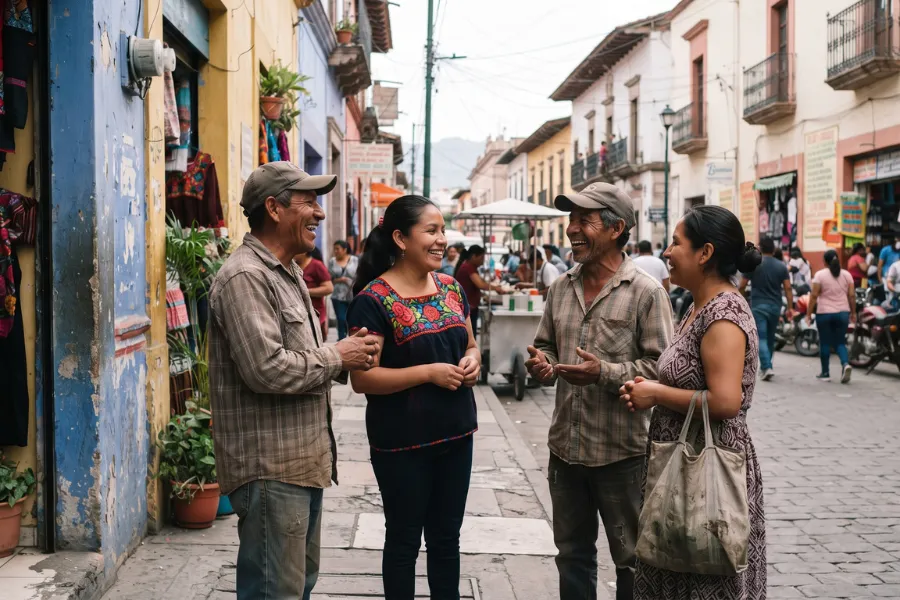
When people think about Spanish-speaking countries, Spain may come to mind first.
However, Mexico has the world’s largest population of native Spanish speakers. Spanish is the main language used throughout the country, while Indigenous languages remain important in many communities. This combination makes Mexico especially influential in the Spanish-speaking world.
7. Día de los Muertos Is About Remembering Loved Ones
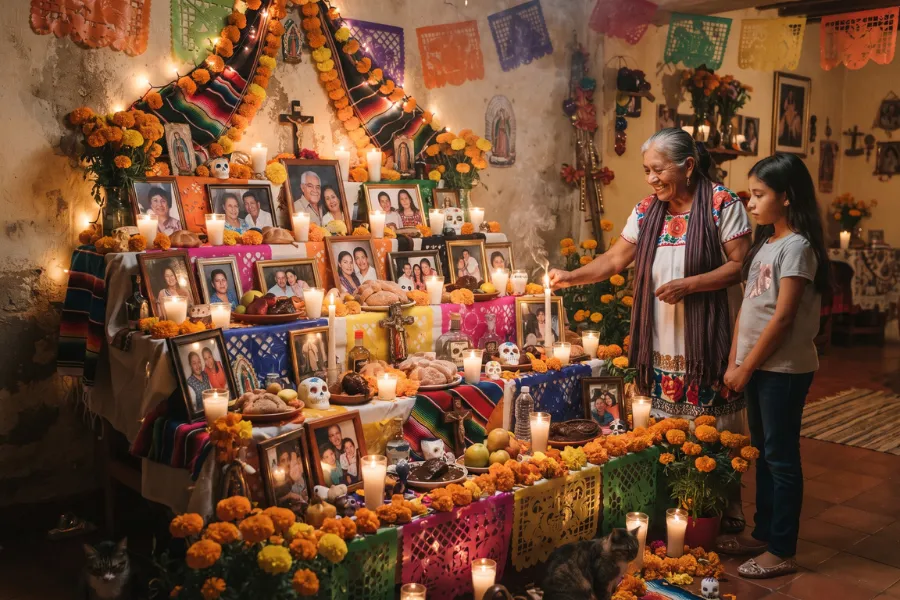
Día de los Muertos, or Day of the Dead, is one of Mexico’s most recognizable traditions.
Rather than simply being a sad occasion, the tradition focuses on remembering and honoring deceased family members and loved ones. Families may create colorful ofrendas, or altars, with photographs, candles, flowers, food, and personal belongings. The tradition has Indigenous roots and developed through centuries of cultural interaction. UNESCO recognized the Indigenous festivity dedicated to the dead as Intangible Cultural Heritage in 2008.
8. La Catrina Started as Satire
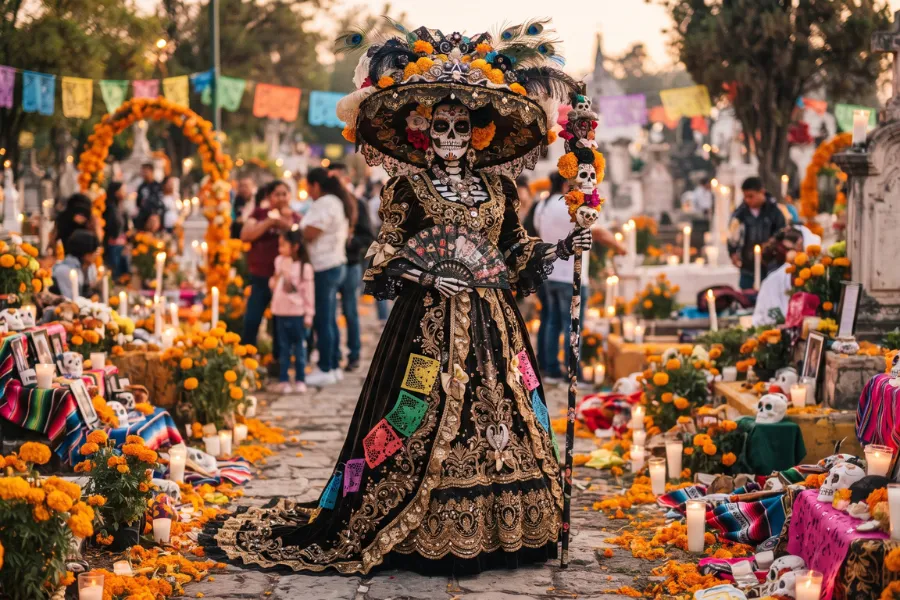
The elegant skeleton known as La Catrina has become strongly associated with Mexican culture and Día de los Muertos.
However, her original story is quite different from the image many people know today. José Guadalupe Posada created a famous skeletal figure as part of a satirical illustration. The image criticized people who rejected their Indigenous identity while trying to imitate European styles. Later, Mexican artist Diego Rivera helped popularize the figure in a different artistic context. Today, La Catrina appears in artwork, festivals, costumes, and celebrations throughout Mexico.
9. Mexico’s Flag Has a Famous Legend Behind It
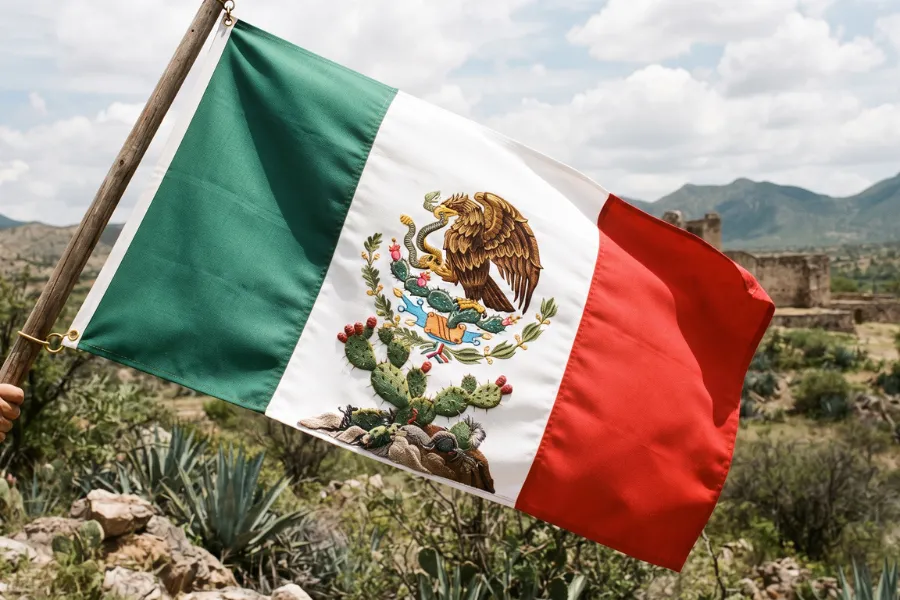
The Mexican flag contains green, white, and red vertical sections with a detailed emblem in the center.
The emblem shows an eagle holding a snake while standing on a cactus. According to a traditional Mexica legend, their people were instructed to establish their city where they saw an eagle with a snake on a cactus. The image became closely connected with the founding story of Tenochtitlan. Consequently, the Mexican flag combines national history, Indigenous tradition, and symbolism in a single design.
10. Mexico Helped Introduce Chocolate to Europe
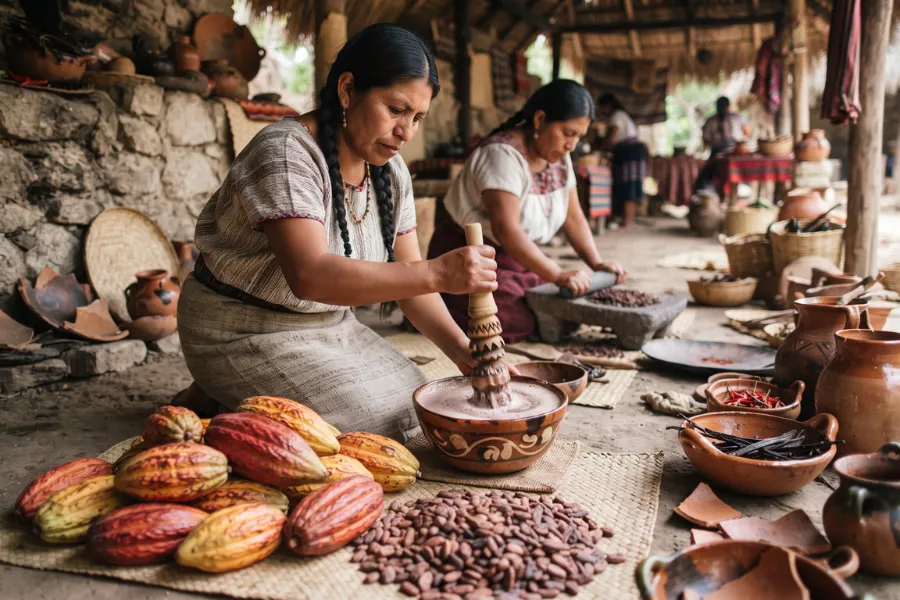
Chocolate has a long history in Mesoamerica.
Ancient civilizations in the region used cacao for beverages and other purposes long before modern chocolate bars existed. After contact between Europe and the Americas, cacao eventually reached Europe and became increasingly popular. Over time, European producers changed the preparation of cacao by adding ingredients such as sugar. Today, chocolate is enjoyed worldwide, but its history is deeply connected with the Indigenous cultures of Mexico and Central America.
11. Tacos al Pastor Have an International Story
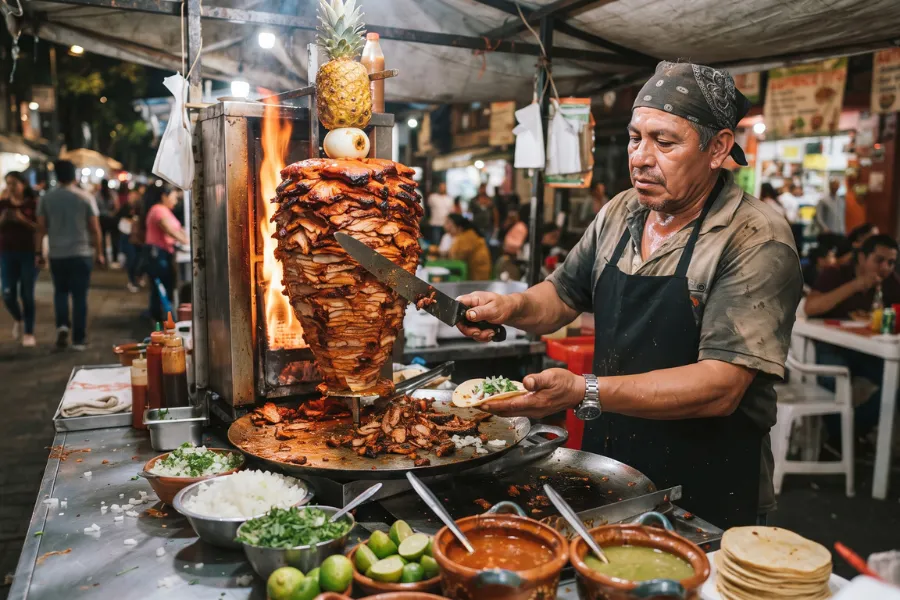
Tacos al pastor are among Mexico’s most recognizable foods.
Their preparation developed partly from Middle Eastern cooking traditions brought to Mexico by immigrants. The vertical spit technique resembles the cooking style used for shawarma. Mexican cooks adapted the idea using local ingredients, seasonings, and pork. The result became the colorful tacos al pastor enjoyed across Mexico today. This is one of those fun facts about Mexico that shows how food can evolve when different cultures meet.
12. Corn Has Been Central to Mexican Culture for Thousands of Years
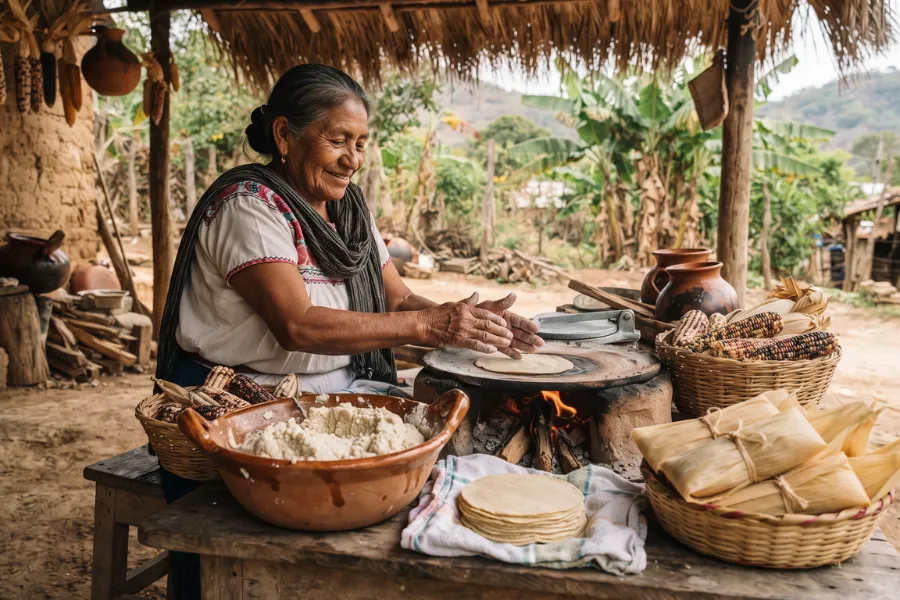
Corn is much more than a common ingredient in Mexico.
It has played a major role in Mexican agriculture, food, traditions, and history for thousands of years. Foods such as tortillas and tamales depend heavily on corn. Traditional processing methods also remain important in Mexican cooking. Because of this long relationship, corn has become one of the strongest symbols of Mexican food culture.
13. The Great Pyramid of Cholula Is Enormous
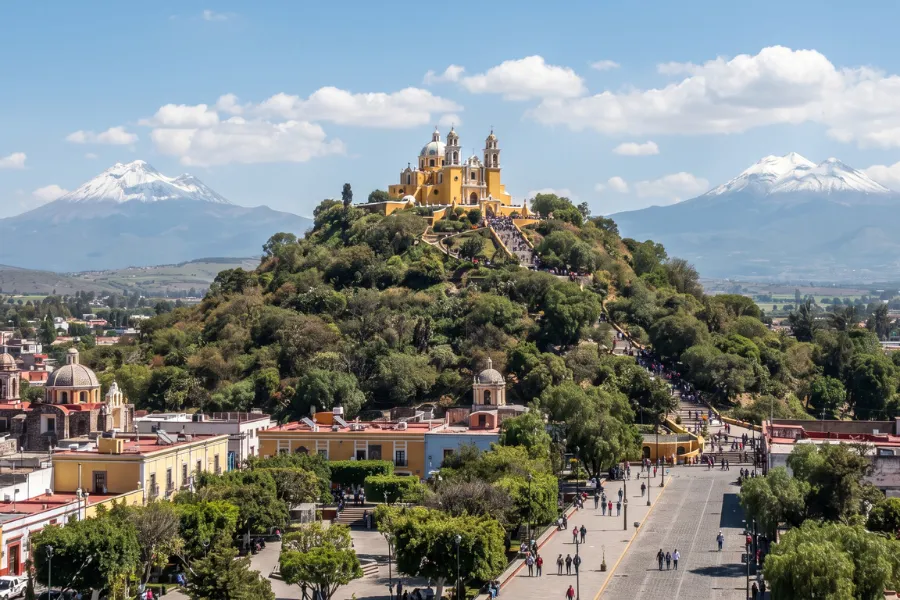
Mexico is home to the Great Pyramid of Cholula, one of the largest pyramid structures in the world by volume.
Located near Puebla, the pyramid does not look like the classic Egyptian pyramids that many people imagine. Much of its structure became covered by vegetation and later construction, making it appear more like a large hill. A church sits near the top, creating an unusual combination of Indigenous and colonial history.
14. Chichén Itzá Was a Major Maya Center
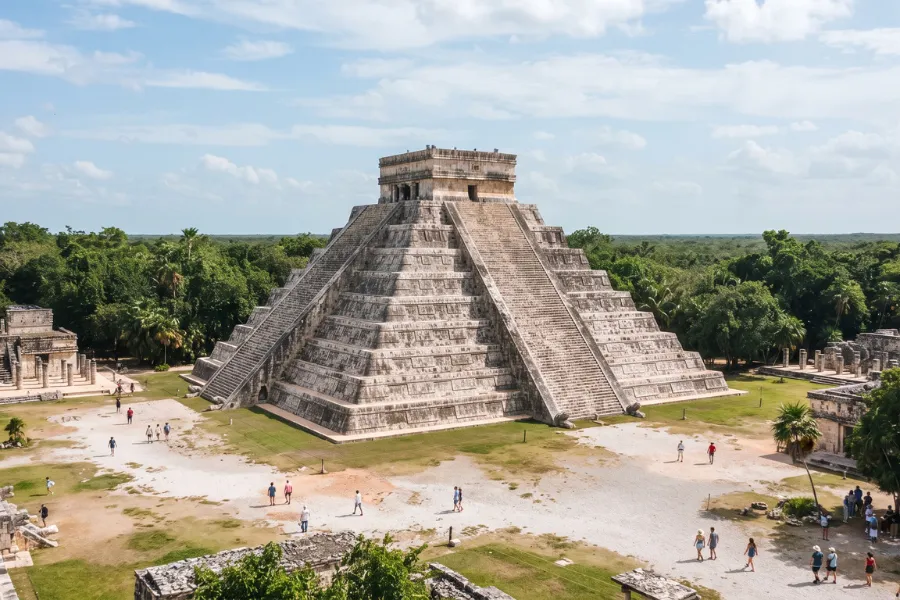
Chichén Itzá is one of Mexico’s most famous archaeological sites.
Located in the Yucatán Peninsula, the ancient Maya city contains impressive structures, including El Castillo, also known as the Temple of Kukulcan. The site demonstrates the Maya civilization’s achievements in architecture, astronomy, mathematics, and urban planning. Today, Chichén Itzá attracts visitors from around the world and remains one of the best-known symbols of ancient Mexico.
15. Teotihuacan Was Once a Huge Ancient City
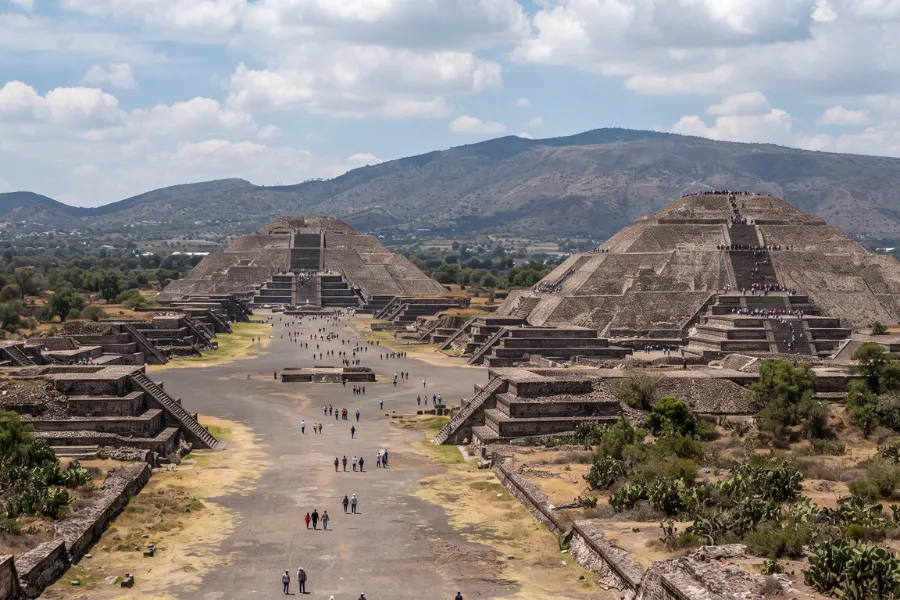
Teotihuacan is another extraordinary archaeological site.
Located northeast of modern Mexico City, the ancient city developed into one of the largest urban centers in the Americas. Its enormous Pyramid of the Sun and Pyramid of the Moon dominate the landscape. Interestingly, the people who originally built Teotihuacan remain uncertain, although the city later influenced other Mesoamerican civilizations.
16. An Asteroid Hit the Area of Present-Day Mexico
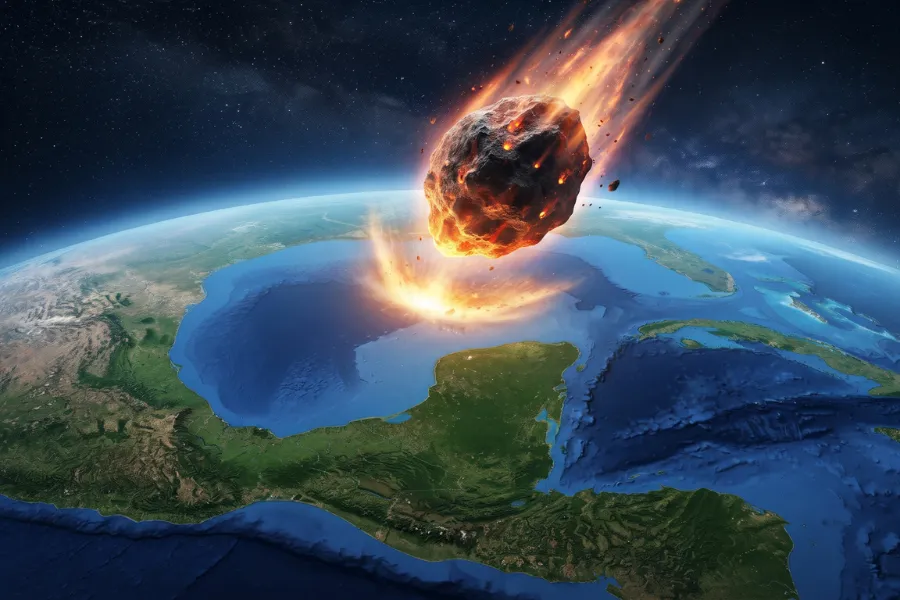
One of the most dramatic facts about Mexico involves an event that happened about 66 million years ago.
A massive asteroid struck near the present-day Yucatán Peninsula, creating the Chicxulub impact crater. Scientists link the impact to major environmental changes and the mass extinction that ended the age of non-avian dinosaurs. The crater is mostly hidden beneath land and the Gulf of Mexico. Therefore, an area that looks like a tropical paradise today is connected to one of the most important events in Earth’s history.
17. The Yucatán Peninsula Has Thousands of Cenotes
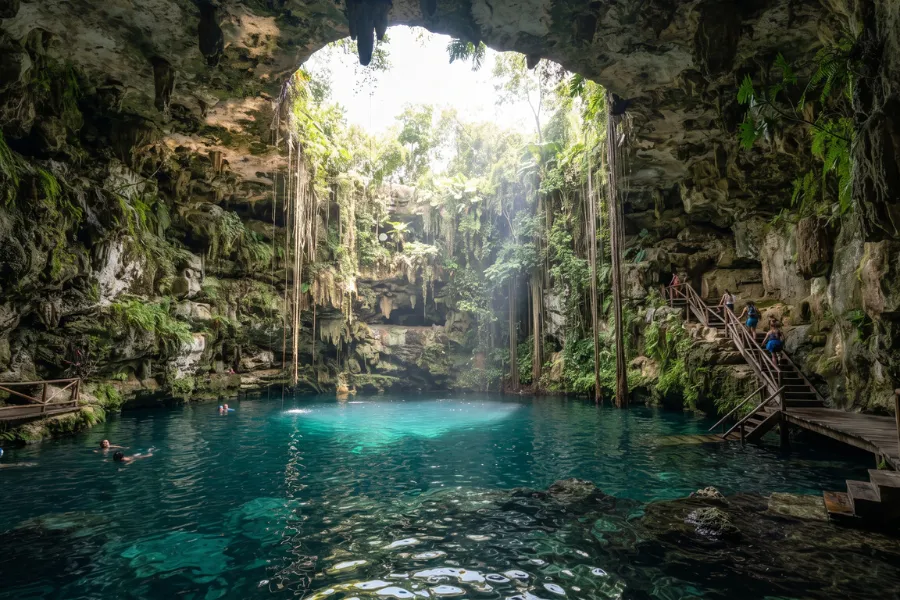
The Yucatán Peninsula is famous for cenotes.
These natural sinkholes expose underground freshwater systems and can range from open pools to underground caves.Ancient Maya communities considered many cenotes important sources of water, while some also had religious significance.Today, visitors explore certain cenotes for swimming, diving, and sightseeing.Their unusual geology makes them one of the most fascinating natural features in Mexico.
18. Mexico Is a Land of Volcanoes
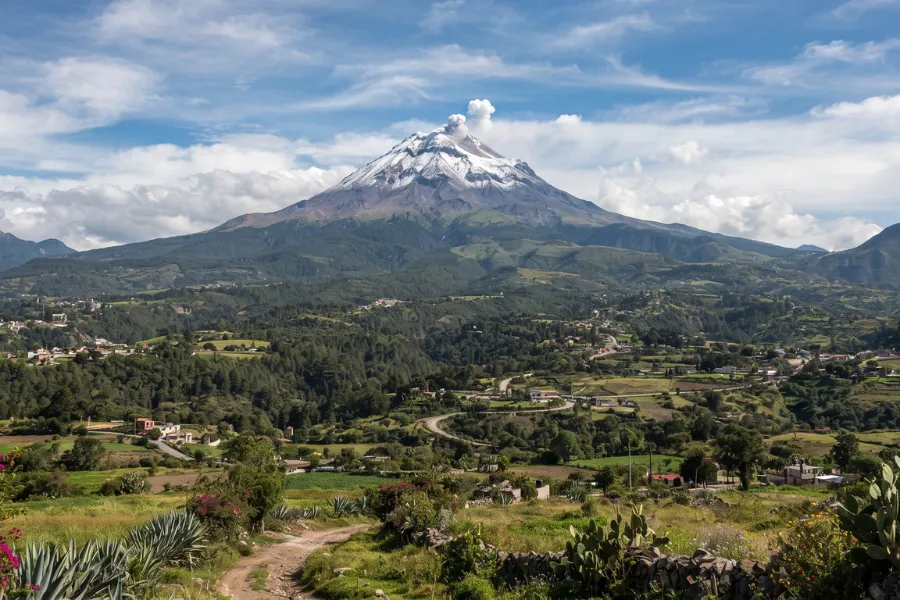
Mexico has a long volcanic history.
The country’s location near several tectonic boundaries has helped create numerous volcanoes and volcanic landscapes. Some volcanoes are active, while others are dormant or extinct. Popocatépetl is among the most famous, standing near Mexico City and Puebla. Volcanic activity has also shaped Mexican landscapes, soils, mountains, and ecosystems over long periods of time.
19. Mexico Is Home to the Mesoamerican Barrier Reef
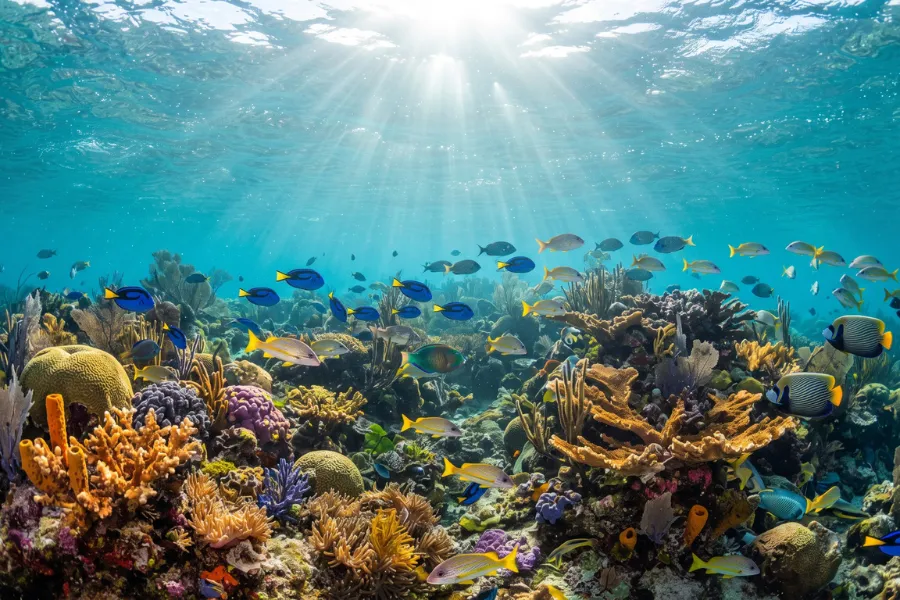
Mexico’s Caribbean coast forms part of the Mesoamerican Barrier Reef System.
This enormous reef system stretches along the coasts of several countries, including Mexico, Belize, Guatemala, and Honduras. It supports coral communities and many marine species. The Mexican section near the Yucatán Peninsula is especially important for snorkeling, diving, tourism, and marine conservation.
20. Gray Whales Travel to Baja California
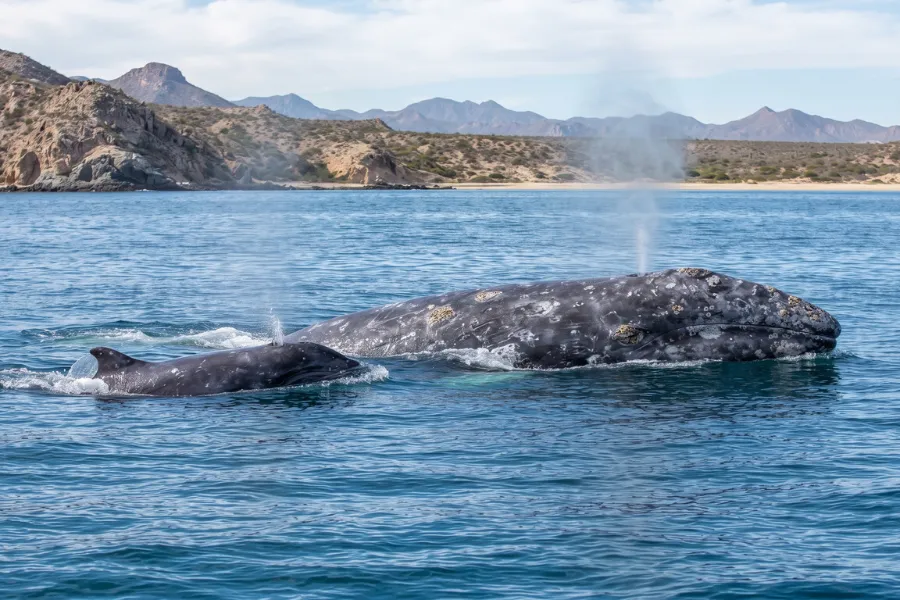
Every year, gray whales make one of the most impressive migrations in the natural world.
They travel to the waters around Baja California to breed and give birth before heading north again. Several lagoons along the peninsula are especially important for these whales. During the migration season, visitors may have opportunities to observe them in their natural environment. This remarkable journey makes Baja California one of the country’s most interesting wildlife regions.
21. Monarch Butterflies Migrate to Mexico
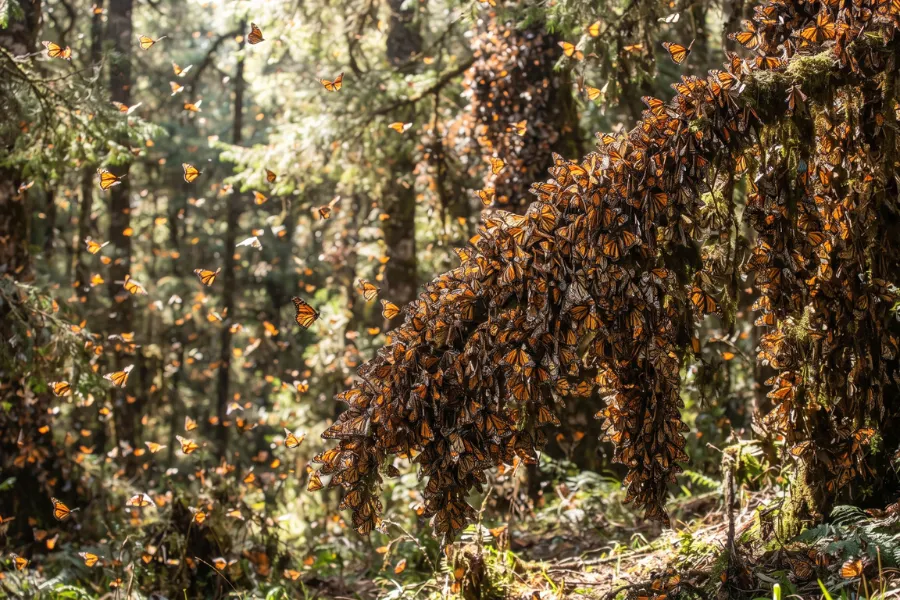
Mexico becomes a winter destination for millions of monarch butterflies.
These butterflies travel thousands of miles from breeding areas in North America to forests in central Mexico. The migration is remarkable because the journey spans generations. The butterflies that arrive in Mexico are not necessarily the same individuals that began the journey. As a result, monarch migration is one of the most extraordinary examples of animal movement in North America.
22. The Golden Eagle Is Mexico’s National Bird
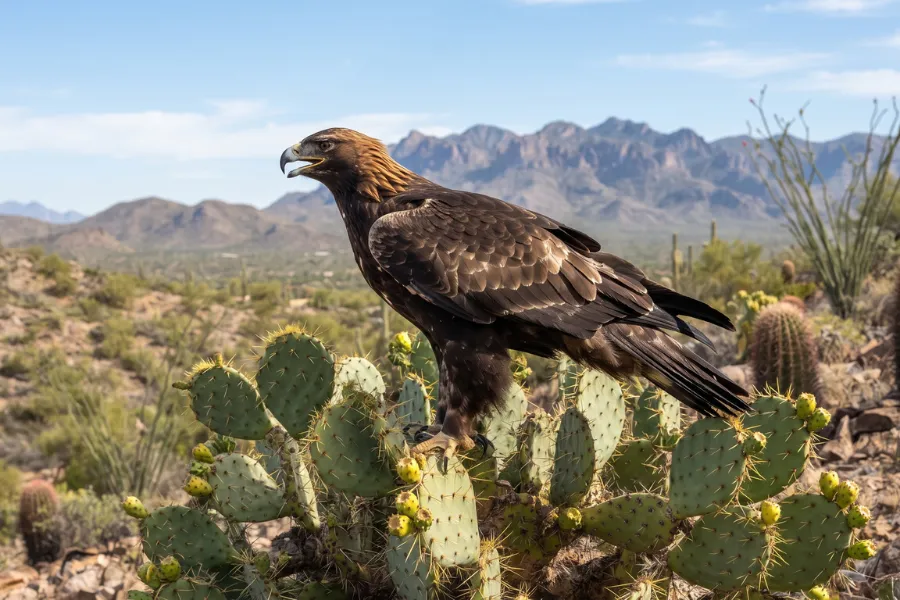
The golden eagle holds an important place in Mexican symbolism.
It appears on the country’s national coat of arms and forms part of the imagery displayed on the Mexican flag. The eagle also connects with the traditional story of the Mexica people finding the location where they would establish Tenochtitlan. Because of this, the bird represents both nature and national history.
23. Mexico Is Home to the Axolotl
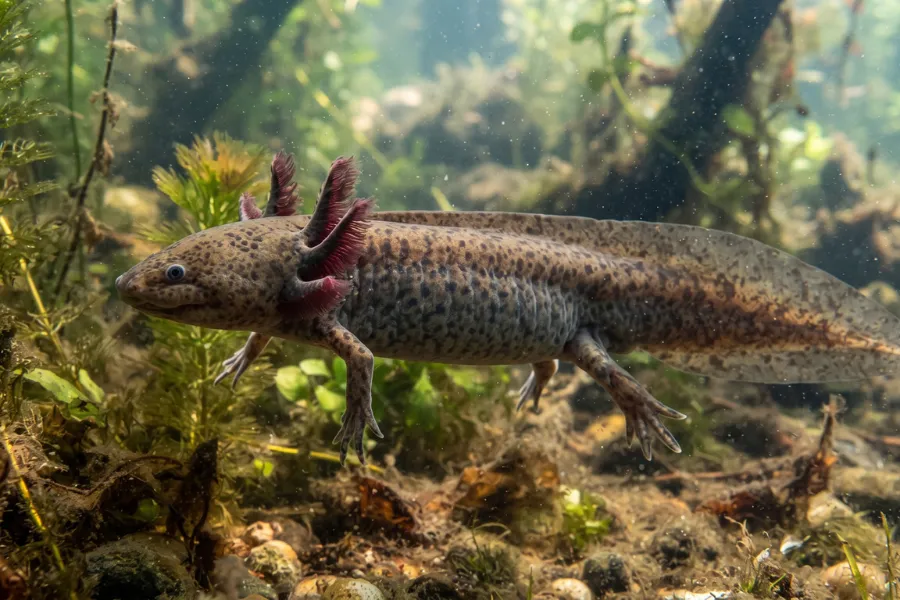
The axolotl is one of the strangest animals associated with Mexico.
This aquatic salamander is native to the lakes and waterways around the Valley of Mexico and is famous for its unusual appearance. It can regenerate certain body parts and often retains juvenile characteristics throughout its life. The axolotl has become a cultural and scientific icon, although wild populations face serious conservation challenges.
24. Las Coloradas Is Famous for Its Pink Water
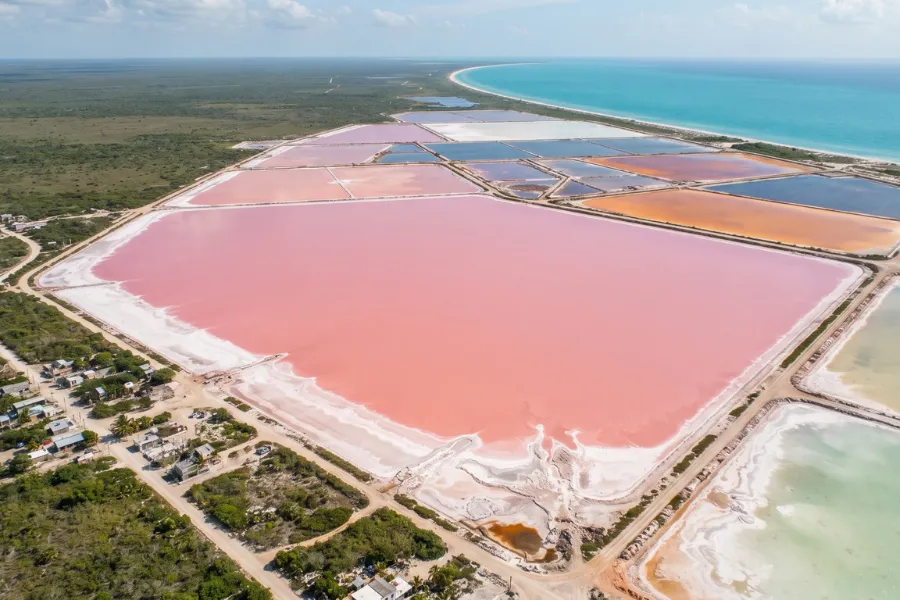
Mexico has some landscapes that almost look unreal.
Las Coloradas in Yucatán is famous for its striking pink-colored water. The unusual color comes from microorganisms and high salt concentrations in the area. The shades can change depending on environmental conditions, sunlight, and water levels. As a result, the area has become one of Mexico’s most photographed unusual landscapes.
25. Cinco de Mayo Is Not Mexico’s Independence Day
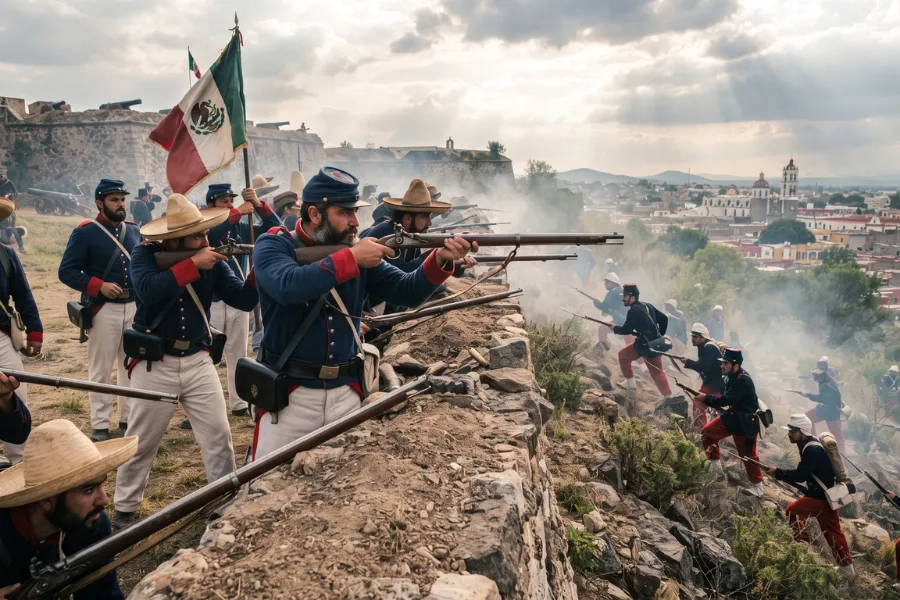
Cinco de Mayo is widely celebrated in the United States, but many people misunderstand its meaning.
The date commemorates Mexico’s victory over French forces at the Battle of Puebla on May 5, 1862.It is not Mexico’s Independence Day. Mexico celebrates Independence Day on September 16, remembering the beginning of the independence movement against Spanish colonial rule in 1810. This difference is one of the most commonly searched fun facts about Mexico.
26. Mexico’s Revolution Left Historical Marks
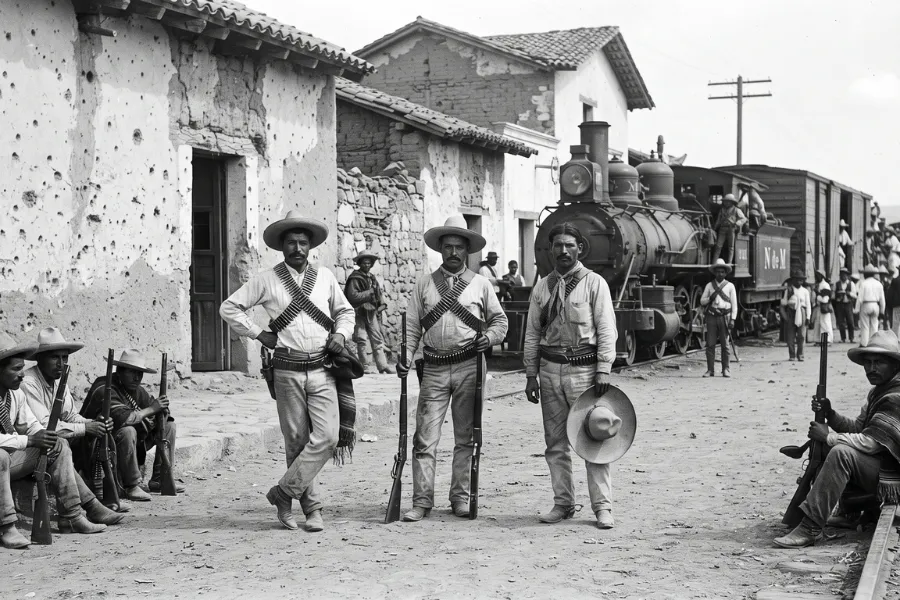
The Mexican Revolution began in 1910 and became one of the defining events in the country’s modern history.
The conflict involved different political and social groups and continued for years. Revolutionary leaders such as Francisco I. Madero, Emiliano Zapata, Pancho Villa, and Venustiano Carranza became major historical figures. The revolution also influenced Mexico’s 1917 Constitution. Today, its legacy remains visible in museums, monuments, murals, books, and public celebrations.
27. Frida Kahlo’s Home Became a Museum
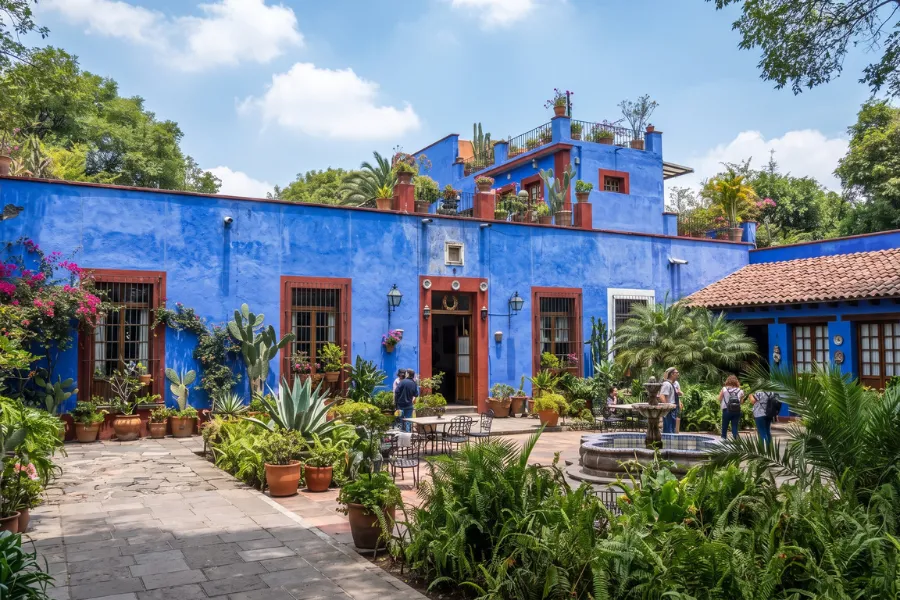
Frida Kahlo is one of Mexico’s most internationally recognized artists.
She was born and raised in Mexico City and became famous for deeply personal paintings, especially her self-portraits. Her family home, known as Casa Azul, is now the Frida Kahlo Museum. The blue house in the Coyoacán neighborhood contains personal belongings, artwork, and spaces connected with her life. It provides visitors with a closer look at both the artist and the world around her.
28. Carlos Slim Became One of the World’s Wealthiest People

Carlos Slim is one of Mexico’s best-known business figures.
Through his business interests, especially in telecommunications and other industries, he became one of the world’s wealthiest people. His career is an interesting part of modern Mexican business history. However, Mexico’s economic story is much broader than one individual, with major industries ranging from manufacturing and technology to tourism, agriculture, energy, and services.
29. Mexico Has a Huge Football Culture
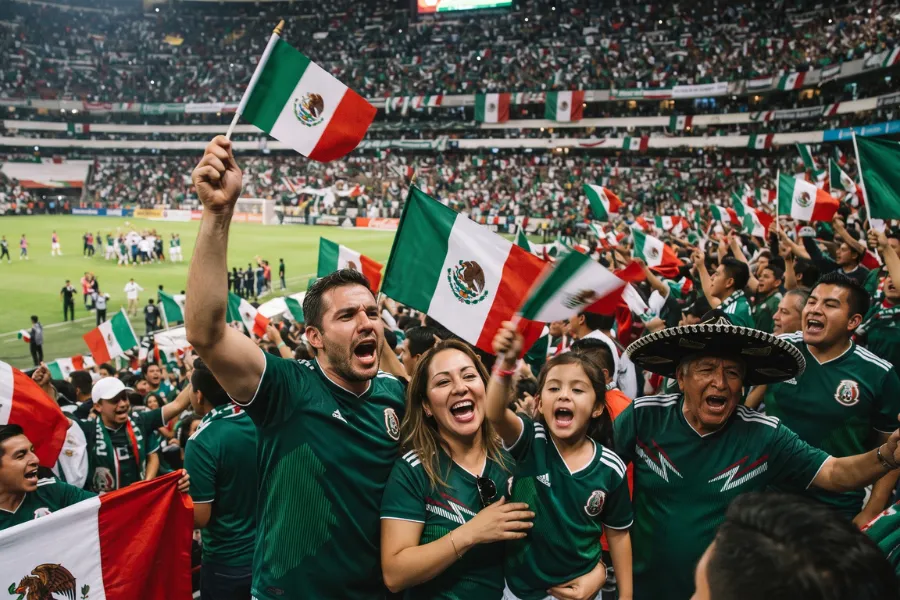
Football, or soccer, is deeply popular throughout Mexico.
Children and adults play the sport in neighborhoods, schools, parks, and professional stadiums. Mexico’s national team has also developed a strong international following. The country has hosted the FIFA World Cup multiple times, helping make football an important part of its sporting identity. For many communities, match days bring families and friends together.
30. Mexico Has an Incredible Mix of Landscapes
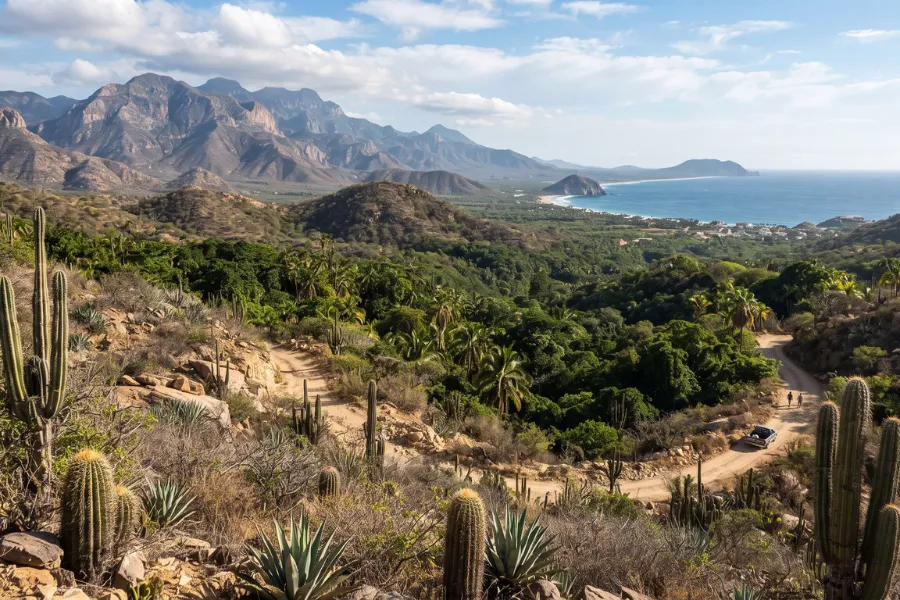
Mexico’s geography is surprisingly diverse.
The country has tropical forests, deserts, mountains, volcanoes, beaches, islands, coral reefs, wetlands, and underground cave systems. That means two parts of Mexico can look completely different from each other. For example, the dry landscapes of northern Mexico contrast sharply with the tropical scenery of the Yucatán Peninsula. This geographical variety is another reason the country attracts nature lovers and travelers.
31. Mexico’s Ancient and Modern Worlds Exist Side by Side
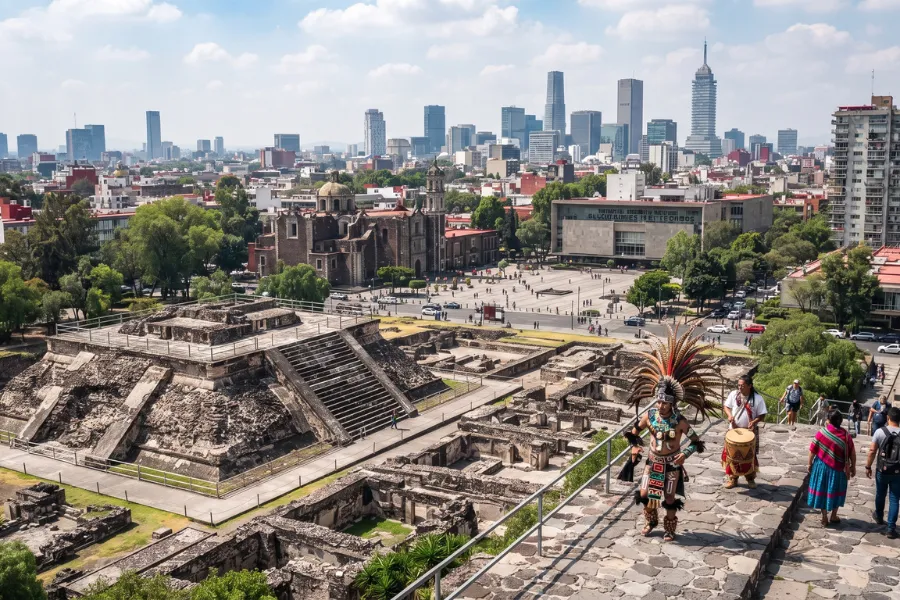
Perhaps the most fascinating fact of all is how Mexico’s past and present exist together.
Modern cities stand close to ancient archaeological sites. Traditional foods remain part of everyday life, while contemporary Mexican artists, businesses, musicians, and filmmakers continue to influence global culture. You can visit a modern city in the morning and explore centuries-old ruins later the same day. That combination gives Mexico a unique cultural character.
Why Is Mexico So Culturally Important?
These fun facts about Mexico show that the country’s identity comes from many different layers. Indigenous civilizations such as the Maya and Mexica shaped architecture, agriculture, language, astronomy, and traditions. Spanish colonial history added another major cultural influence. Over time, these traditions mixed with influences from other parts of the world.
Today, Mexican culture can be seen in food, music, art, architecture, celebrations, clothing, language, and everyday life. Mexico’s cultural importance also extends beyond its borders. Mexican cuisine, art, music, films, and traditions have gained worldwide recognition.
Frequently Asked Questions About Mexico
What is Mexico most famous for?
Mexico is famous for its food, ancient civilizations, beaches, colorful traditions, music, art, and festivals. It is especially known for tacos, Mexican cuisine, Día de los Muertos, Maya and Mexica history, and places such as Chichén Itzá and the Yucatán Peninsula.
What are 5 interesting facts about Mexico?
Five interesting facts about Mexico are that it has 68 Indigenous language groups, Mexico City was built over Tenochtitlan, the country has 36 UNESCO World Heritage properties, the Yucatán Peninsula contains thousands of cenotes, and an asteroid struck near the peninsula about 66 million years ago.
Is Cinco de Mayo Mexico’s Independence Day?
No. Cinco de Mayo commemorates Mexico’s victory over the French at the Battle of Puebla in 1862. Mexico’s Independence Day is September 16.
Why does Mexico have so many languages?
Mexico has a long Indigenous history that predates Spanish colonization by thousands of years. Different Indigenous communities developed and preserved their own languages across the country’s diverse regions.
What food is Mexico famous for?
Mexico is famous for tacos, tamales, mole, enchiladas, pozole, tortillas, chiles en nogada, and many regional dishes. Traditional Mexican cuisine is also recognized by UNESCO as Intangible Cultural Heritage.
What is the strangest animal in Mexico?
The axolotl is one of the most unusual animals associated with Mexico. This aquatic salamander is famous for its appearance and remarkable ability to regenerate certain body parts.
Why is the Yucatán Peninsula famous?
The Yucatán Peninsula is famous for Maya archaeological sites, cenotes, Caribbean beaches, tropical landscapes, wildlife, and the Chicxulub impact crater.
What ancient civilizations lived in Mexico?
Several major civilizations developed in the region, including the Maya, Mexica, Zapotec, Mixtec, Olmec, Teotihuacan civilization, and many other Indigenous cultures.
Final Thoughts
Mexico is much more than a popular travel destination. Its history stretches back thousands of years, while its modern culture continues to evolve. From ancient pyramids and underground cenotes to unique animals, world-famous food, colorful celebrations, and extraordinary landscapes, there is always something new to learn. Hopefully, these fun facts about Mexico helped you see the country from a different perspective.
If you enjoy discovering unusual facts about countries around the world, you may also enjoy our guide to Unusual Facts About Peru. For additional information about Mexico’s heritage and culture, check the official UNESCO and Mexican government resources linked in the article.