

Most Colombia South America fun facts stop at coffee, Shakira, and a Netflix series. The real country goes far deeper. It touches two oceans, holds a slice of the Amazon, hides a cathedral carved inside a salt mine, and records more bird species than any other nation on Earth.
Below, you’ll find 36 Colombia South America fun facts organized into six clear themes: geography, wildlife, ancient history, food, culture, and economy. Rather than listing random trivia, each fact explains what makes it surprising and where in the country you can actually find it. Every major claim also points back to a credible source, since several popular numbers about Colombia float around the internet in outdated or conflicting versions.
If exploring the continent interests you, Colombia’s Andean neighbor delivers just as many surprises — these unusual facts about Peru make a strong follow-up read.
Geography & Natural Wonders: Colombia South America Fun Facts
Geography explains most of what follows. Few nations squeeze this many climates, coastlines, and landscapes into a single territory, and that variety drives almost every other Colombia South America fun fact on this list.
1. Colombia Sits at the Crossroads of Two Continents
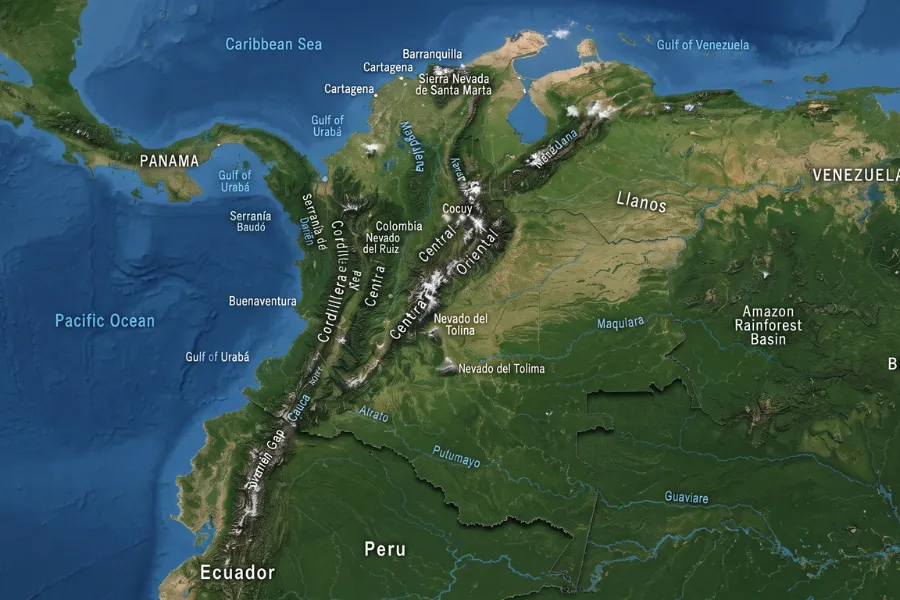
Colombia anchors the northwestern corner of South America, yet it also connects to Central America through Panama, its neighbor until 1903. This position gives Colombia borders with five countries: Venezuela, Brazil, Peru, Ecuador, and Panama. Consequently, plants, animals, and people have crossed between two entirely different regions of the Americas here for thousands of years.
2. Colombia Is the Only South American Country With Two Ocean Coastlines
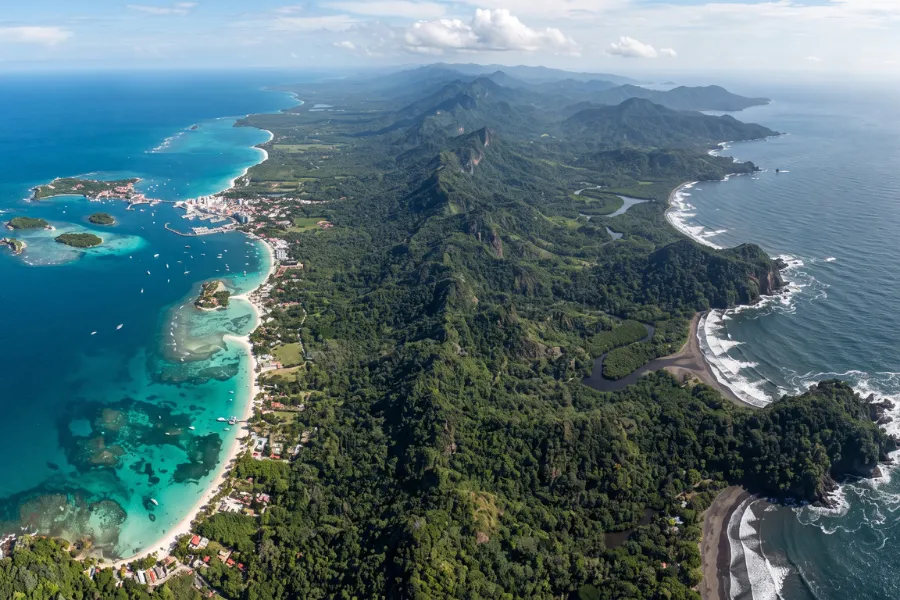
Among all the Colombia South America fun facts people find surprising, this one tops the list. Colombia touches both the Caribbean Sea and the Pacific Ocean. The Caribbean side delivers warm turquoise beaches near Cartagena and Santa Marta, while the Pacific side stays wetter, wilder, and far less developed. Two very different maritime worlds therefore shaped Colombian trade, food, and music at the same time.
3. Bogotá Ranks Among the Highest Capital Cities on Earth
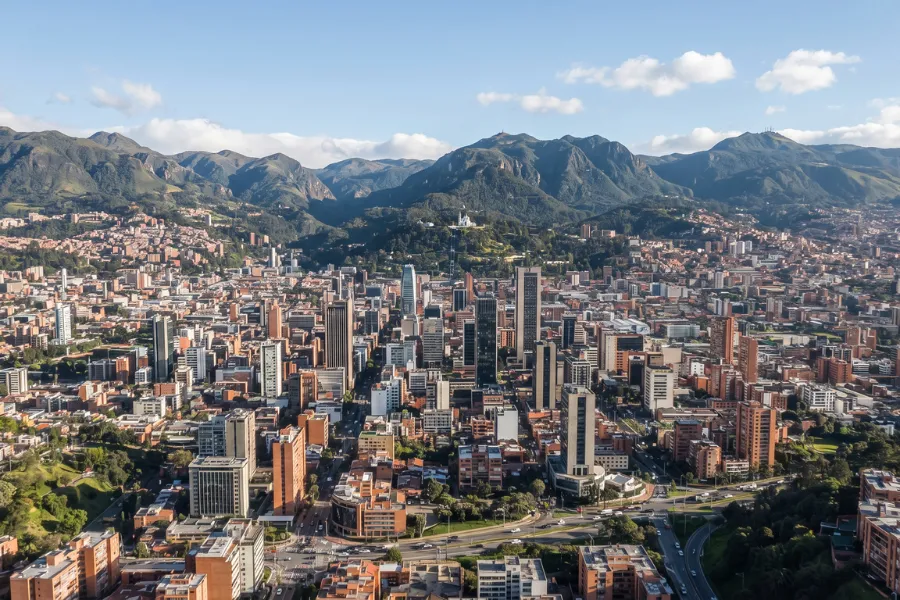
Bogotá sits roughly 2,640 meters (8,660 feet) above sea level. Because of that altitude, the city stays cool and spring-like all year instead of tropical, which catches many first-time visitors off guard. Travelers arriving from sea level often notice the thinner air within hours of landing.
4. Colombia Contains a Slice of the Amazon Rainforest
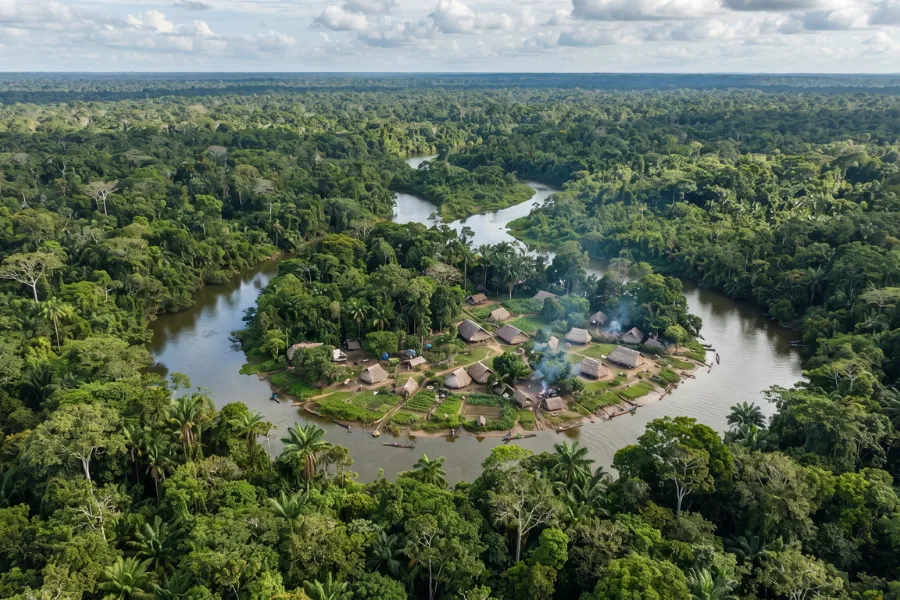
Brazil doesn’t own the Amazon outright. Southern Colombia holds a substantial stretch of the Amazon Basin across departments like Amazonas and Putumayo. This region shelters thousands of species along with Indigenous communities still living by traditional forest practices. As a result, Colombia offers a quieter, less crowded Amazon experience than its larger neighbors.
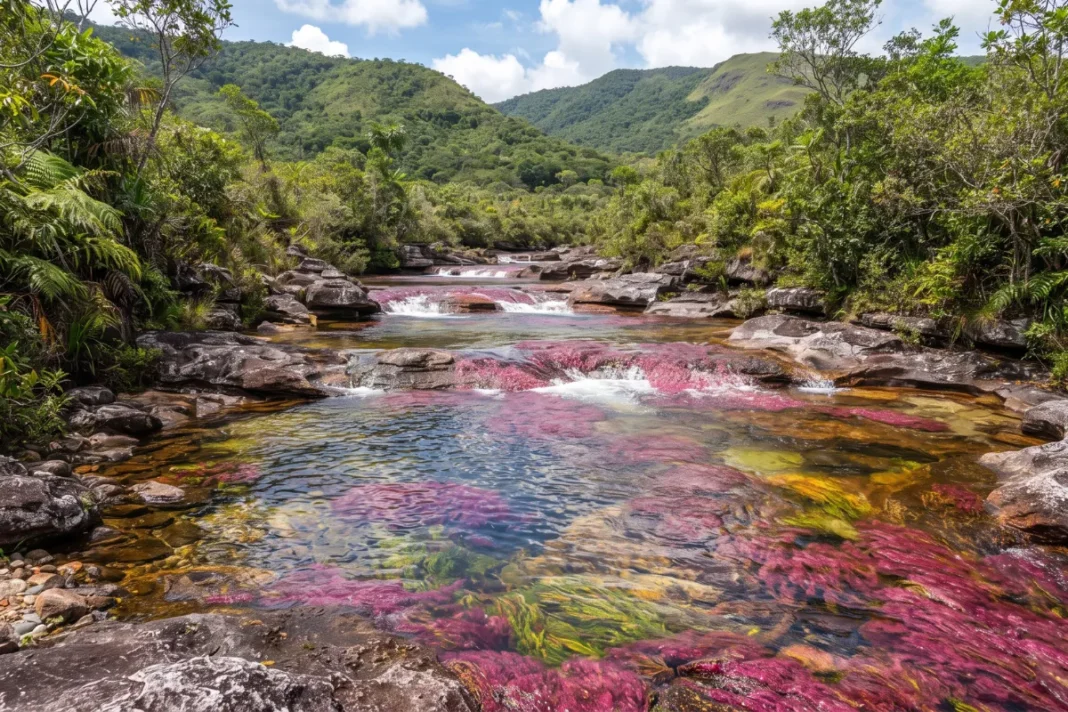
5. Caño Cristales Turns Into a River of Five Colors
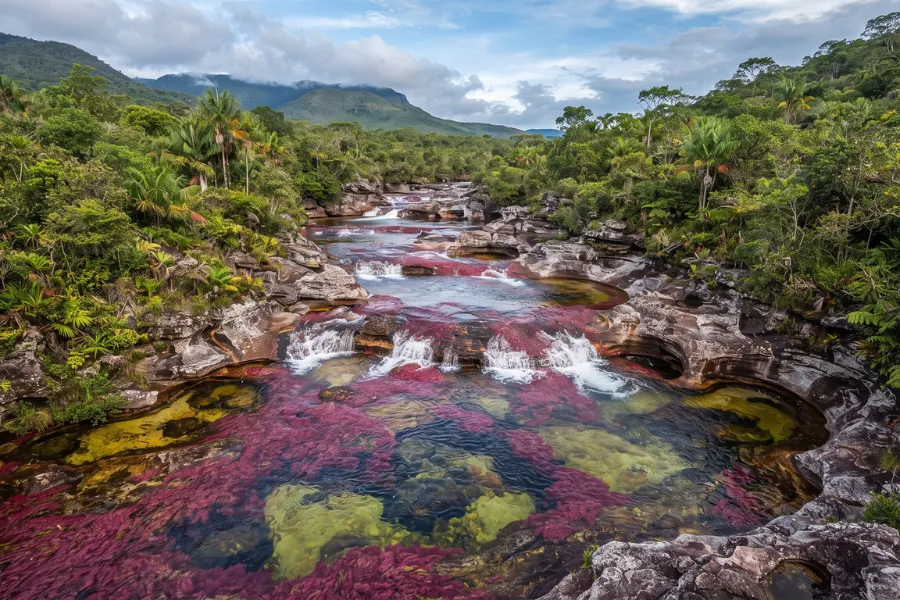
Nicknamed the “Liquid Rainbow,” Caño Cristales in the Serranía de la Macarena erupts into red, yellow, green, blue, and black for a few months each year. An aquatic plant called Macarenia clavigera creates the effect, and it only blooms when water levels and sunlight align perfectly. That narrow window, roughly July through November, makes this the rarest sight on any list of Colombia South America fun facts.
6. The Sierra Nevada de Santa Marta Is the World’s Highest Coastal Mountain Range
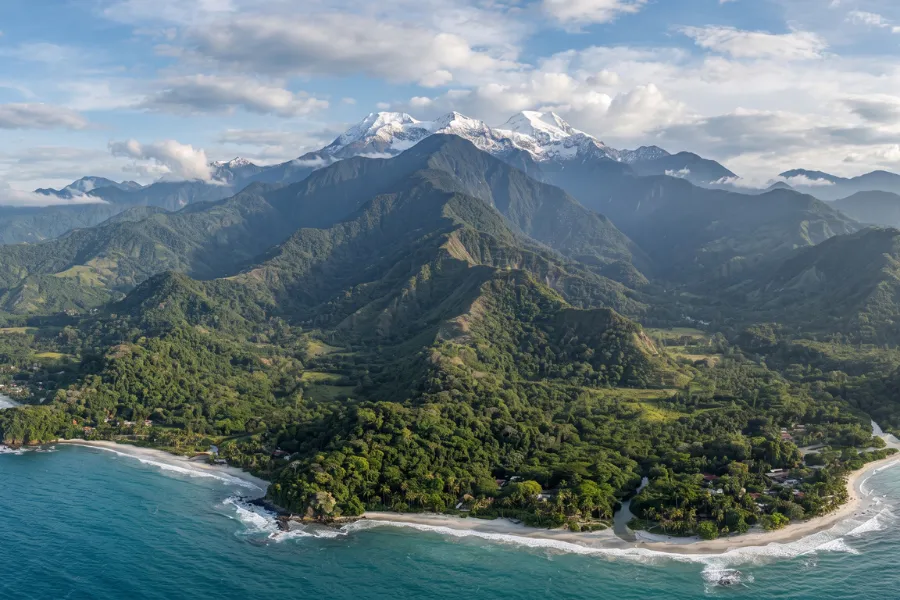
This range climbs from Caribbean beaches to snow-capped peaks above 5,700 meters within a remarkably short horizontal distance. Almost every climate zone on the planet therefore exists inside one compact region. Indigenous groups including the Kogi and Arhuaco still treat these slopes as sacred ground and continue living within them.
7. Colombia Has a Desert That Looks Almost Lunar
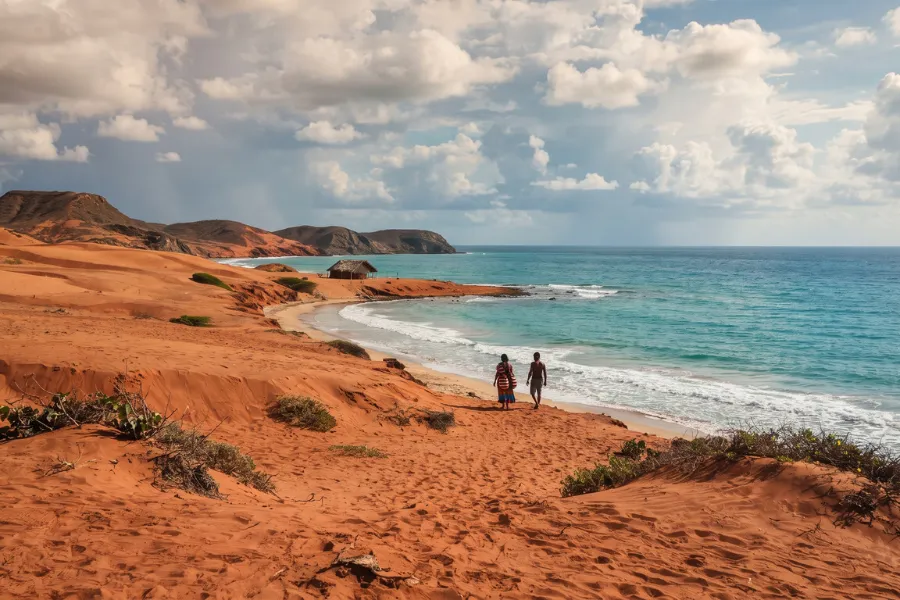
La Guajira, in the country’s far north, demolishes every stereotype about Colombian climate. Rust-colored dunes run straight into the Caribbean Sea, producing a landscape that feels closer to another planet than to tropical South America. The Wayuu people have adapted their entire culture around this desert’s scarce water and relentless sun.
8. The Cocora Valley Grows the World’s Tallest Palm Trees
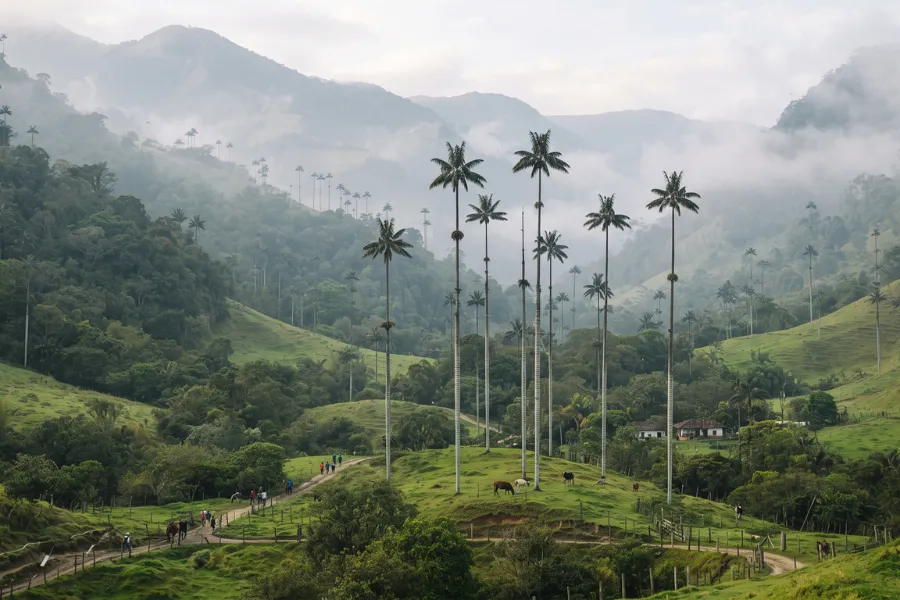
Near Salento in the Coffee Axis, the Cocora Valley hosts the wax palm, Colombia’s national tree and the tallest palm species anywhere. These palms push past 60 meters, towering over the surrounding cloud forest. Hikers routinely call the valley the single most photographed natural feature in the whole Coffee Region.
Wildlife & Biodiversity Facts
Oceans, mountains, deserts, and rainforest combine to create one of the densest concentrations of life on Earth, and the wildlife numbers behind these Colombia South America fun facts are genuinely hard to beat.
9. Colombia Is the Second Most Biodiverse Country on Earth
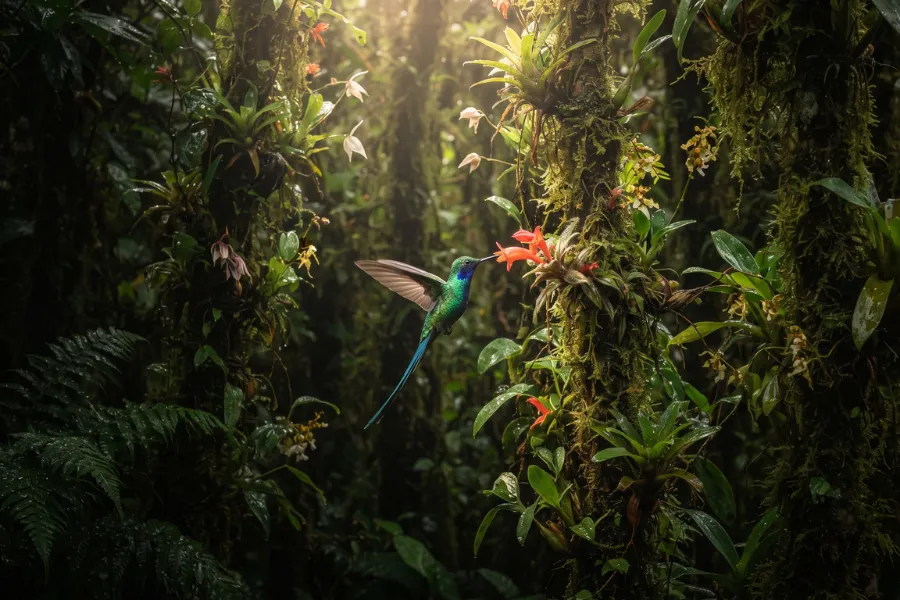
Colombia covers less than one percent of the planet’s land, yet it ranks second only to the far larger Brazil in total species richness, according to the UN Environment Programme. Researchers have documented more than 63,000 species inside its borders and keep finding more. Measured per square kilometer, that puts Colombia ahead of Indonesia, Australia, and Brazil alike.
10. Colombia Records More Bird Species Than Any Other Country
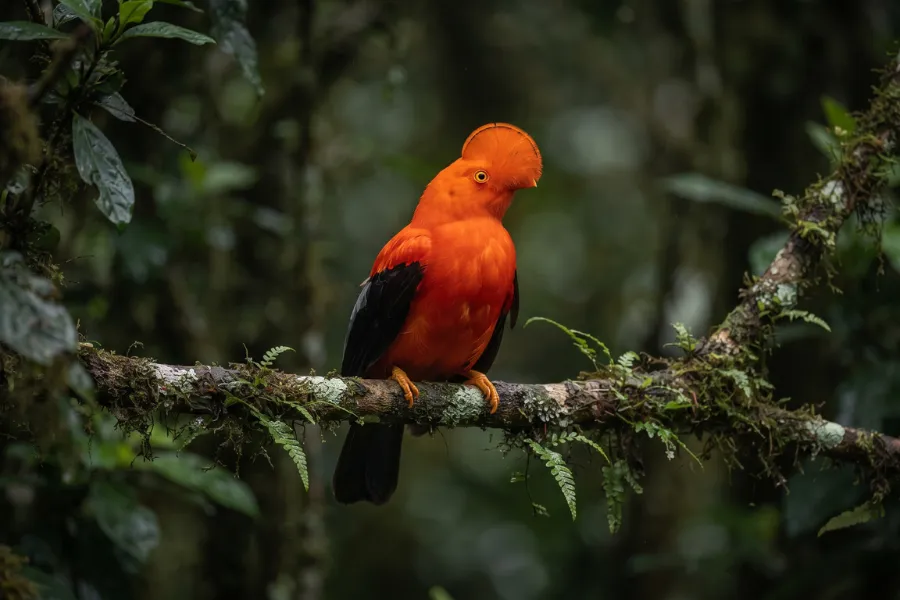
Birdwatchers fly to Colombia specifically because it holds the global top spot, with close to 1,900 recorded species. Toucans, hummingbirds, and the vivid Andean cock-of-the-rock all live here, spread across Caribbean mangroves, Andean cloud forest, and Amazon lowlands. Entire birding routes through the Coffee Axis and Sierra Nevada now exist purely to serve this niche.
11. Colombia Leads the World in Orchid Species
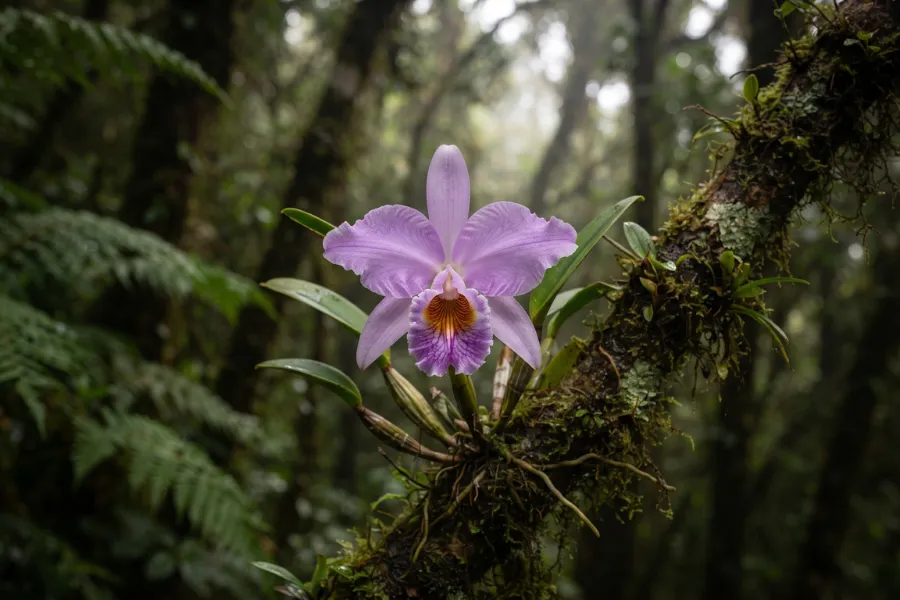
With roughly 3,500 orchid species, Colombia outranks every other nation on Earth. Fittingly, the orchid serves as the national flower, and the Cattleya trianae variety represents the country worldwide. Many of these orchids grow inside a single valley or mountain range, which means one lost forest patch can erase a flower found nowhere else.
12. Pink River Dolphins Swim Through the Colombian Amazon
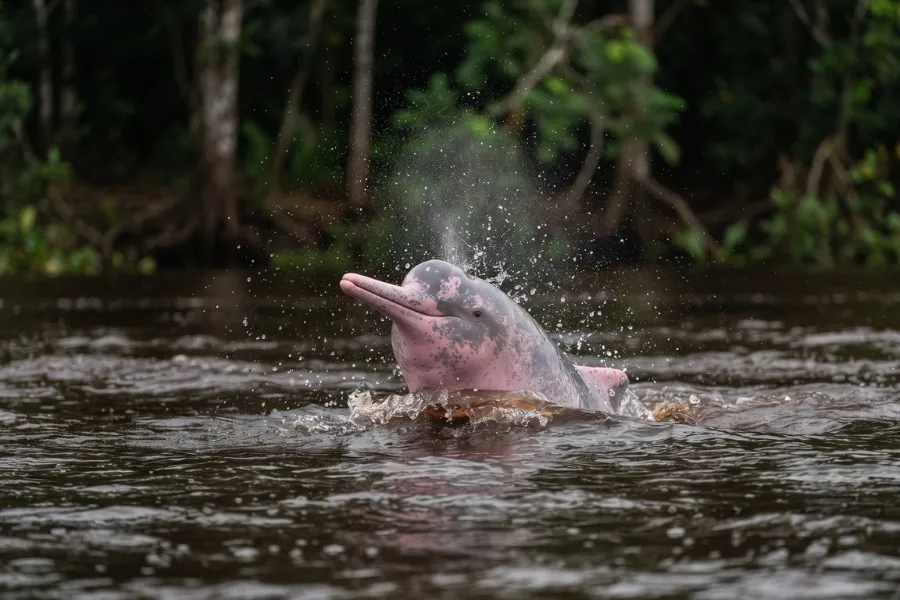
Freshwater dolphins sound improbable, yet the Amazon rivers of southern Colombia host a genuinely pink species. Scar tissue and blood vessels close to the skin produce the color, which deepens rather than fades with age. Local Indigenous folklore casts these dolphins as shapeshifters, adding legend to an already strange animal.
13. The Andean Condor Soars Over Colombia’s Mountains
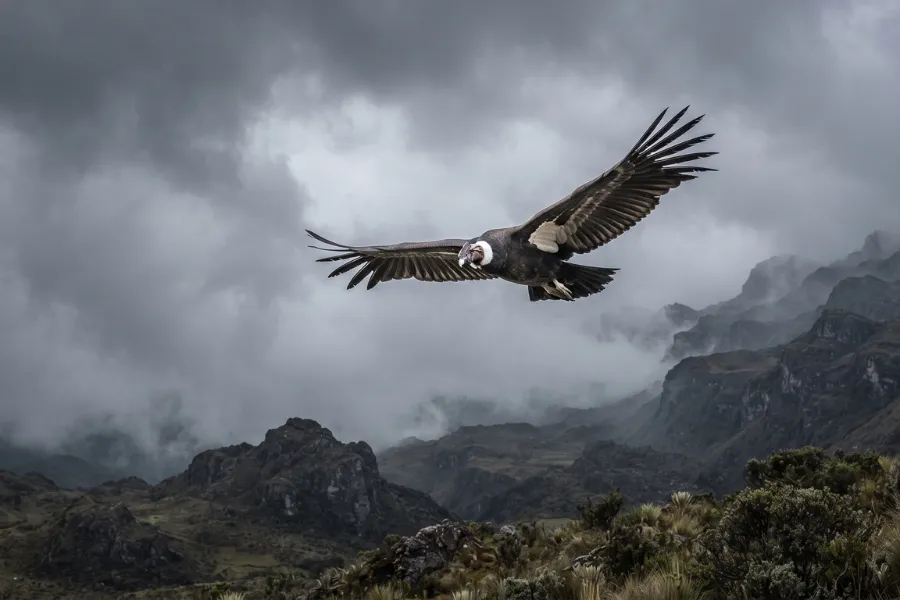
Colombia’s high-altitude páramo ecosystems support the Andean condor, among the largest flying birds alive, with a wingspan stretching past three meters. The bird appears on the national coat of arms as a symbol of freedom. Habitat loss has made sightings rare, however, so any condor encounter now counts as a highlight for Andean hikers.
14. The Cotton-Top Tamarin Exists Nowhere Else on the Planet
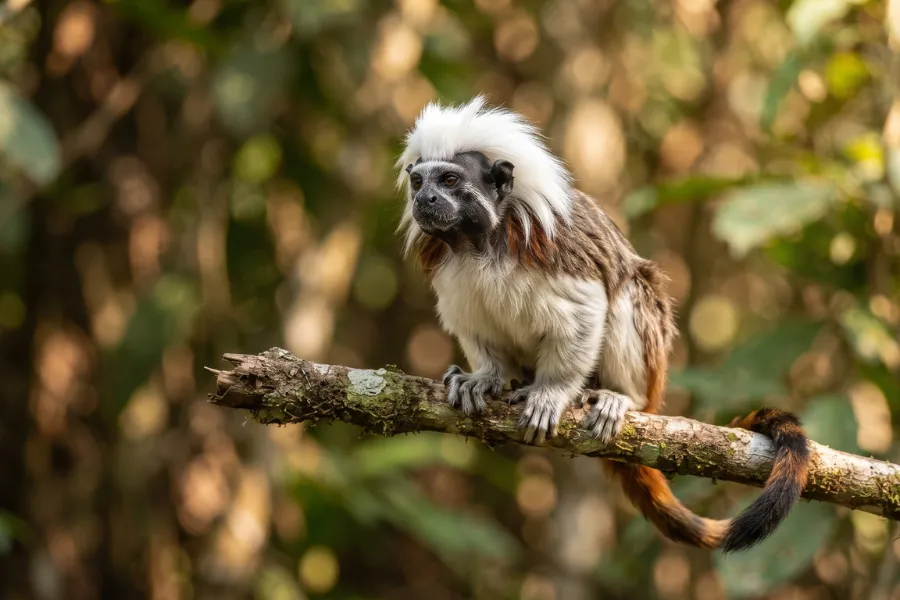
This small, wild-haired primate lives only in the tropical forests of northern Colombia, which makes it one of the most endangered primates in the world. Conservation groups have spent decades defending its shrinking Caribbean-coast habitat. That narrow range turned the cotton-top tamarin into an unofficial mascot for Colombian conservation.
Colombian History & Ancient Civilizations
Long before Spanish ships reached the coastline, advanced gold-working societies already thrived here. These historical Colombia South America fun facts reach back well over a thousand years.
15. Colombia Takes Its Name From Christopher Columbus
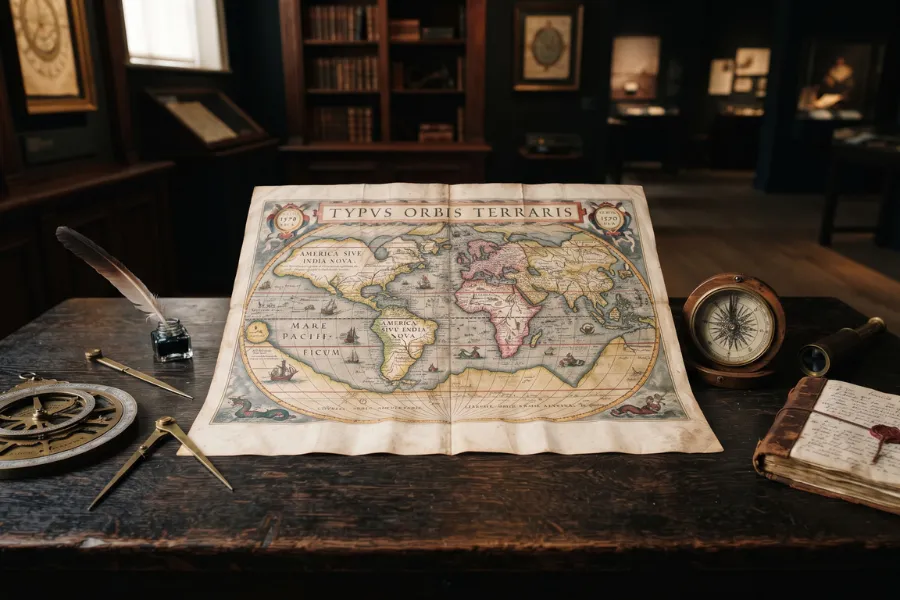
The country honors Christopher Columbus even though he never actually set foot on Colombian soil. Revolutionary leader Francisco de Miranda proposed the name in the early 19th century as a tribute to the explorer credited with opening European contact with the Americas.
16. Indigenous Peoples Shaped Colombia Long Before Europeans Arrived
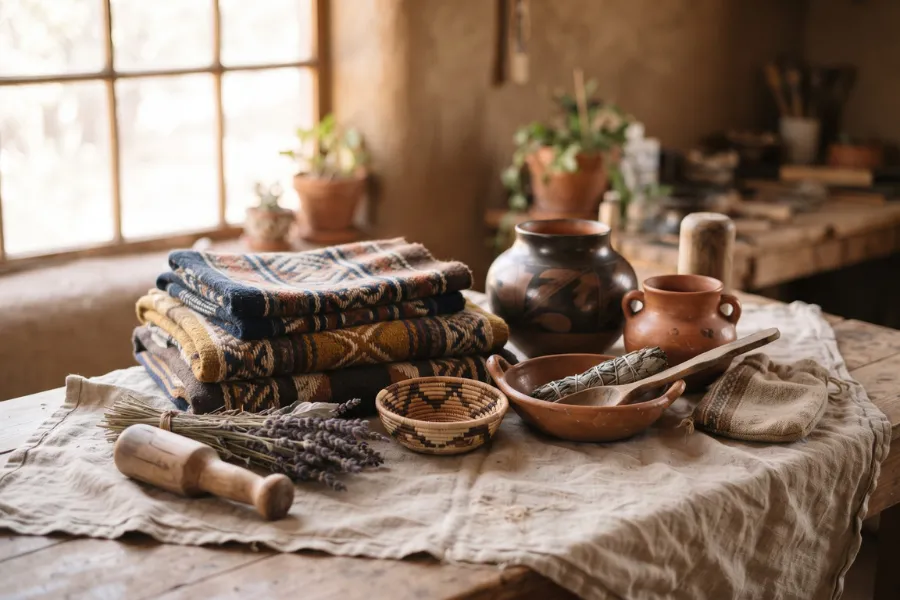
The Muisca, Tairona, and Quimbaya built sophisticated societies across Colombia’s highlands and coastal ranges centuries before Spanish colonization. They developed advanced goldworking, terraced agriculture, and trade networks linking distant regions. Their descendants, including the Kogi, Wayuu, and Arhuaco, still speak distinct languages and maintain those traditions today.
17. The Muisca Inspired the Legend of El Dorado
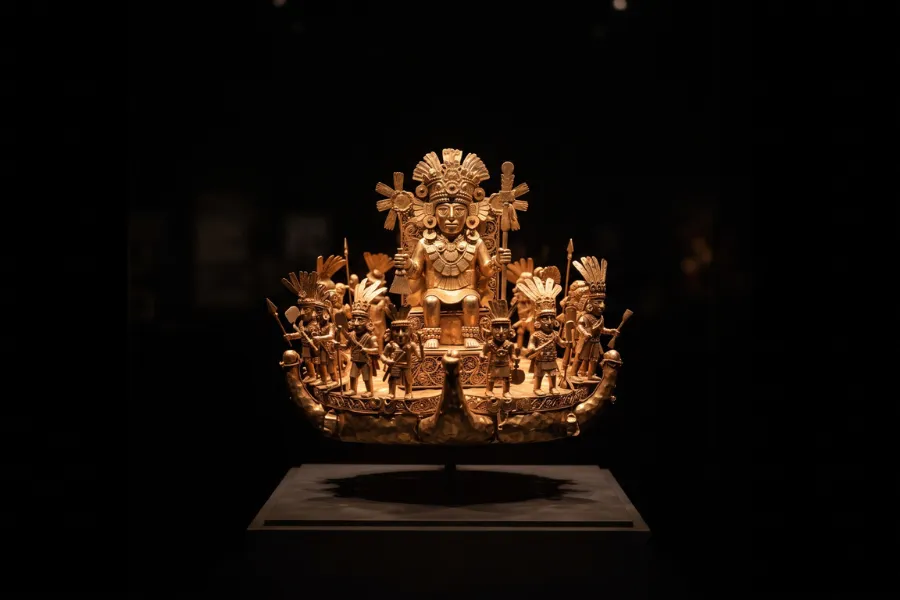
At Lake Guatavita near Bogotá, Muisca leaders covered themselves in gold dust and offered treasure to the water during succession rituals. Spanish colonizers heard about the ceremony and inflated it into El Dorado, a mythical golden city that drove centuries of doomed expeditions. Bogotá’s Gold Museum now displays thousands of pre-Columbian gold pieces tied to that same tradition.
18. Colombia Was Once Part of a Country Called New Granada
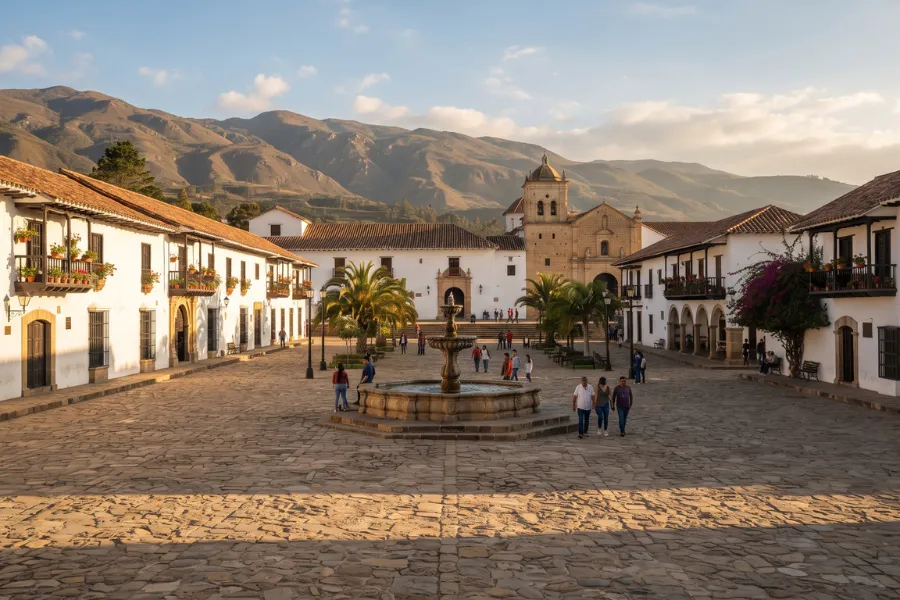
After independence from Spain, the territory covering modern Colombia, Venezuela, Ecuador, and Panama united briefly as New Granada and later reorganized into Gran Colombia. Political fractures split the union apart, and the smaller Republic of Colombia emerged from the pieces. Shared vocabulary, music, and cuisine across those four countries still trace back to this period.
19. The Lost City Predates Machu Picchu by Roughly 650 Years
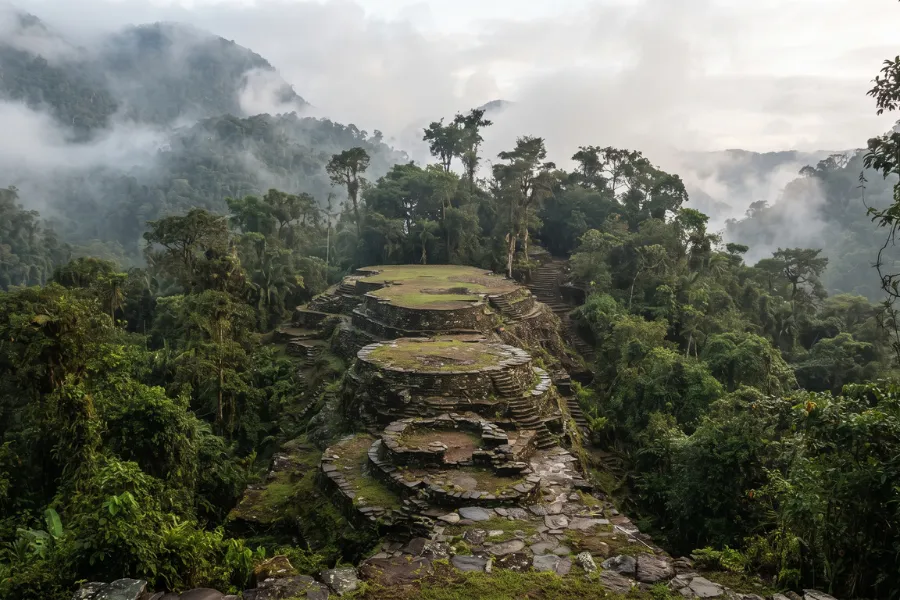
Deep in the Sierra Nevada de Santa Marta, the Tairona people built Ciudad Perdida around 800 CE — about 650 years before Machu Picchu, according to National Geographic. No train or bus reaches it; visitors must complete a multi-day jungle trek instead. Archaeologists believe thousands of residents once lived across its hundreds of stone terraces.
20. Zipaquirá Holds an Entire Cathedral Carved From Salt
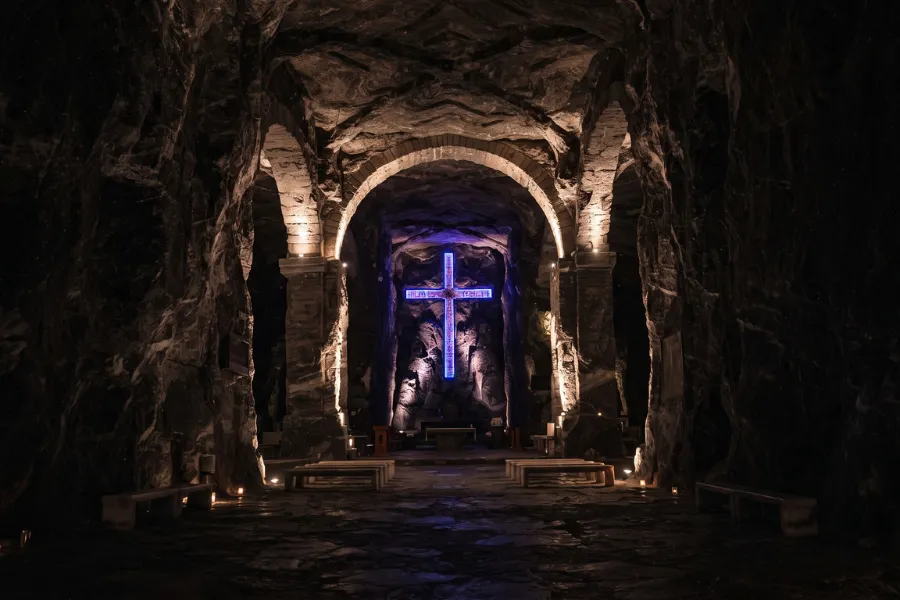
Inside a working salt mine north of Bogotá, workers carved a full cathedral — naves, altars, and a towering cross — directly into the rock. Miners originally built a small chapel to pray in before shifts, and the site later expanded into today’s elaborate underground structure. The Salt Cathedral of Zipaquirá now feels equal parts church and geological marvel.
Food & Drink Facts About Colombia
Colombian cuisine mirrors the country’s geography as clearly as its wildlife does, mixing mountain crops, tropical fruit, and coastal seafood. These food-related Colombia South America fun facts explain why regional dishes differ so sharply across short distances.
21. Colombian Coffee Ranks Among the World’s Finest
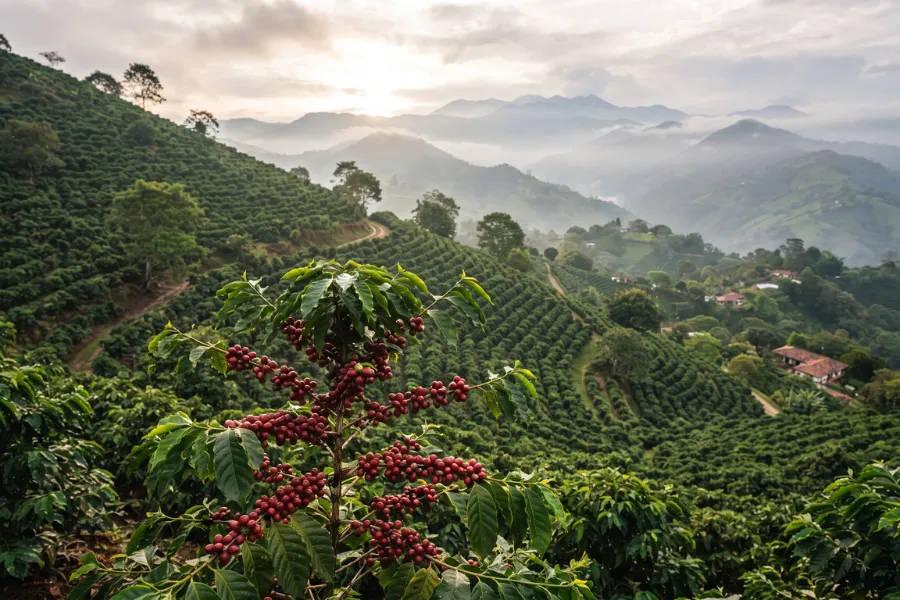
Andean volcanic soil, high altitude, and steady rainfall create near-ideal growing conditions across the Coffee Cultural Landscape, a UNESCO World Heritage site. Farmers there still harvest beans almost entirely by hand, which allows far more careful selection than machine harvesting permits. That process explains why Colombian arabica remains a global quality benchmark.
22. Colombia Is the World’s Third-Largest Coffee Producer
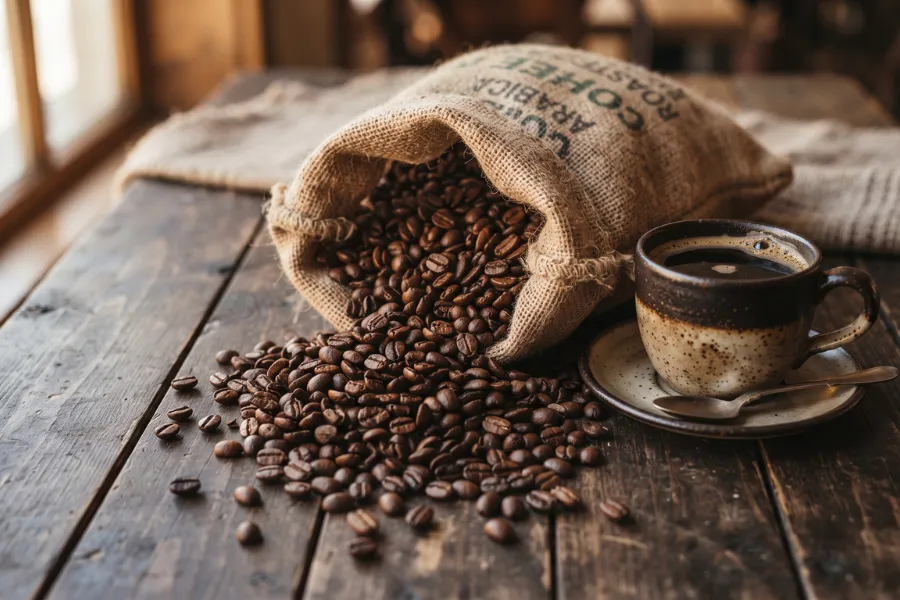
Behind only Brazil and Vietnam, Colombia produces well over 12 million 60-kilogram bags annually, based on figures from the International Coffee Organization. Vietnam leans on robusta beans, whereas Colombia specializes almost entirely in arabica. More than 500,000 farming families depend on the crop, making coffee a genuine pillar of the national economy.
23. Arepas Appear on Colombian Tables Three Times a Day
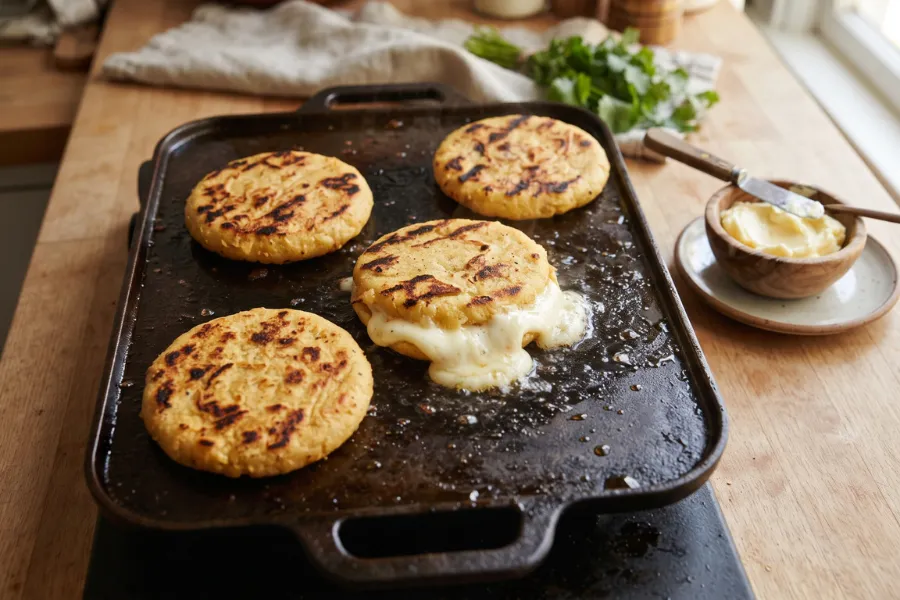
Ground corn arepas function much like bread elsewhere, showing up at breakfast, lunch, and dinner nationwide. Regional versions vary widely: some arrive stuffed with cheese, others grilled plain, and coastal varieties often taste sweeter than inland ones. Because nearly every region claims its own style, the arepa works almost like an edible map of the country.
24. Bandeja Paisa Is a Single Plate Built for a Feast
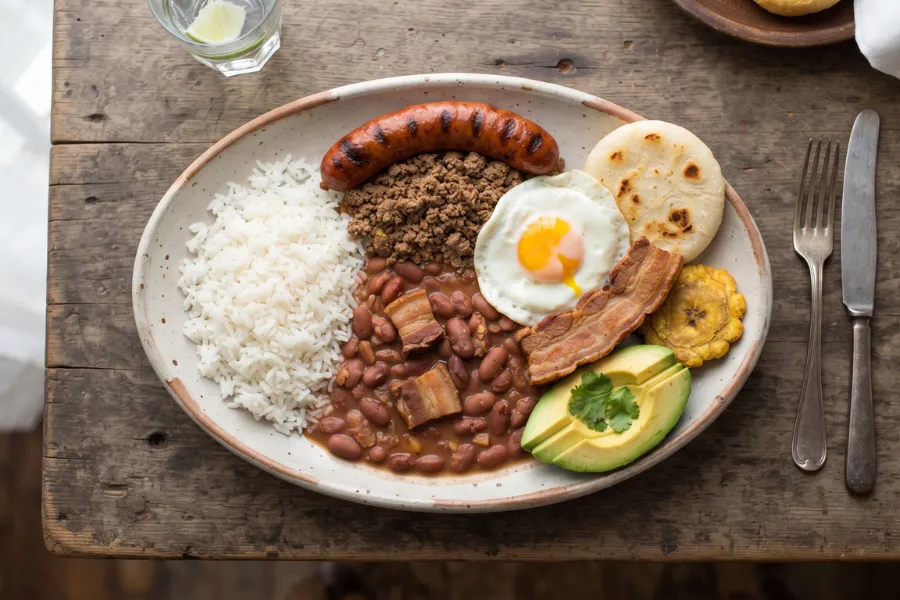
Originating in Antioquia, bandeja paisa stacks beans, rice, ground beef, chorizo, fried egg, plantain, avocado, and chicharrón onto one oversized platter. Field laborers originally needed that calorie load to survive long workdays. Restaurants across Medellín now serve it as regional pride rather than necessity.
25. Colombia Grows Dozens of Fruits the World Has Never Tasted
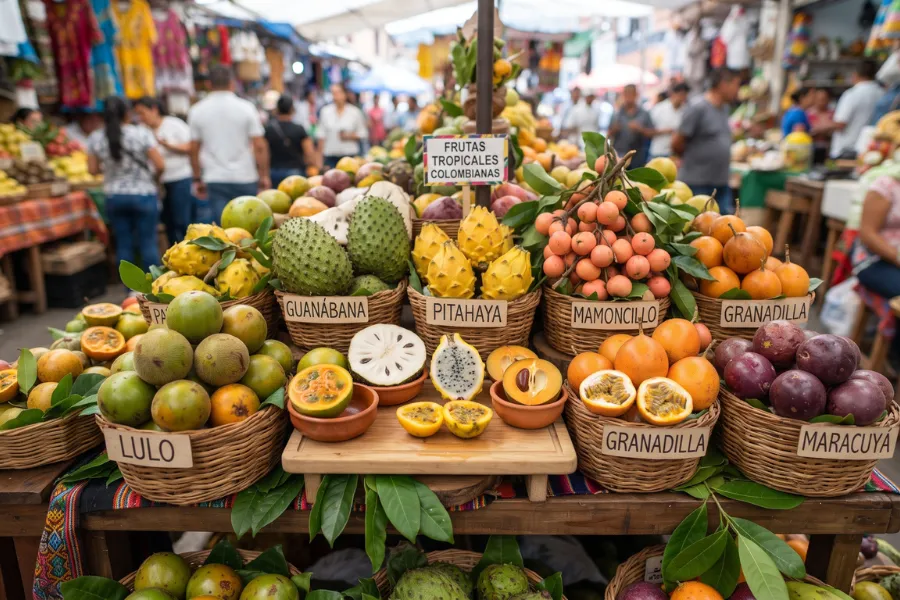
Varied climates let Colombia produce lulo, guanábana, mamoncillo, pitahaya, and dozens more tropical fruits that rarely leave South America. Local markets blend them fresh with water or milk, depending on the region. Since almost none get exported, tasting them properly still requires visiting Colombia.
26. Aguardiente Is Colombia’s Signature Celebration Drink
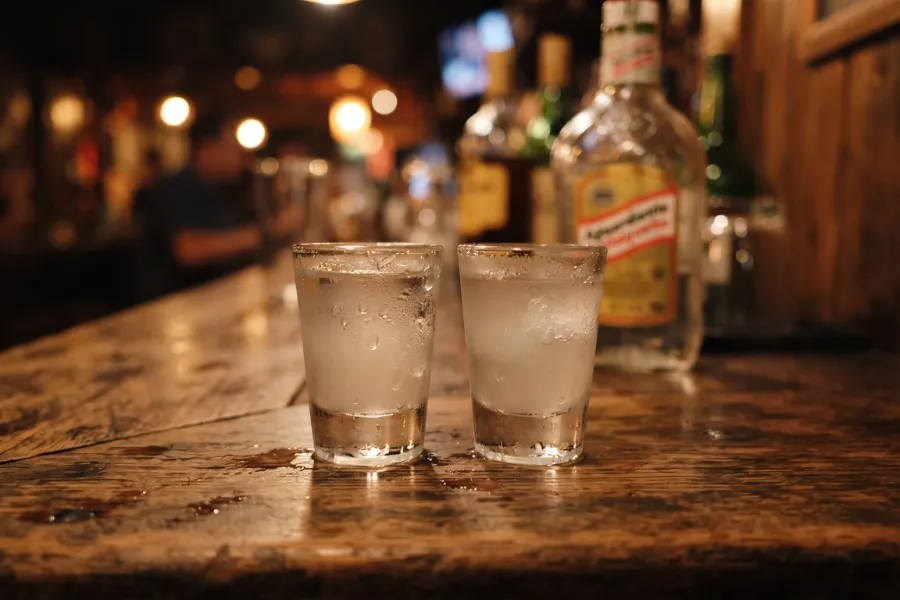
Distilled from sugarcane and flavored with anise, aguardiente appears at nearly every Colombian birthday, wedding, and festival. Each department produces its own regional brand, and locals argue passionately over which tastes best. The name translates roughly to “fiery water,” which fits.
Colombian Culture, Music & Traditions
Culture here moves at the rhythm of music, and few countries have exported this much sound and celebration. The cultural Colombia South America fun facts below cover a national sport involving actual explosives.
27. Colombia’s National Sport Involves Gunpowder, Not Soccer
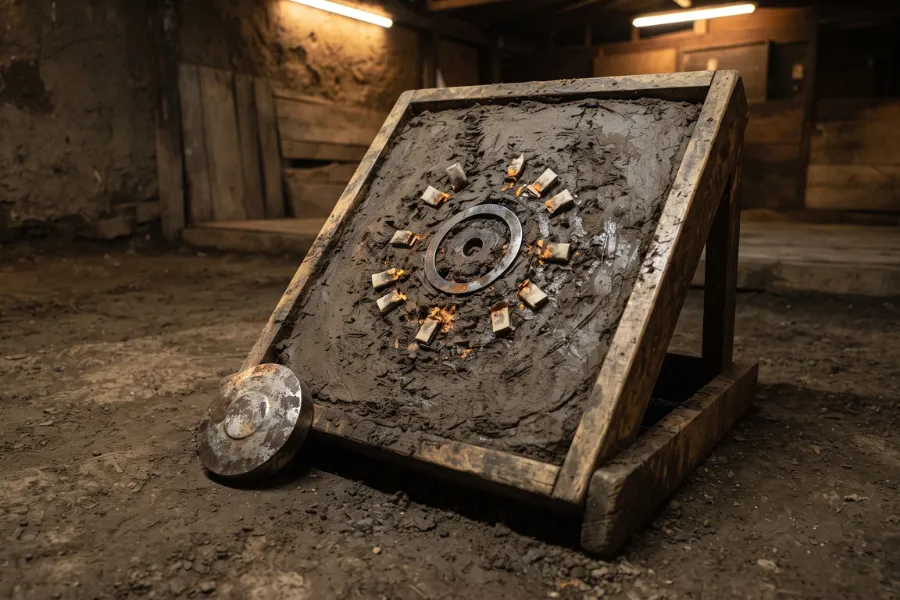
Tejo — not football — holds official national-sport status. Players hurl metal discs at gunpowder-packed targets embedded in clay, aiming to trigger a small explosion on impact. The game descends from Indigenous Muisca tradition, predating Spanish colonization entirely, and tejo courts attached to bars remain popular across Boyacá and Cundinamarca.
28. Cali Calls Itself the Salsa Capital of the World
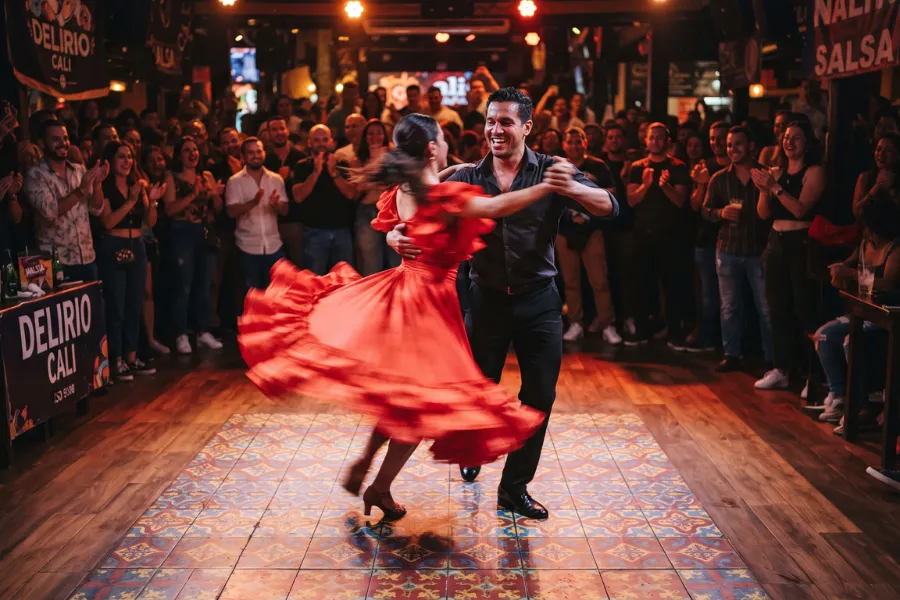
Salsa emerged partly in Cuba and New York, yet Cali adopted it so thoroughly that the city now claims the global crown. Dance schools train professional-level performers, and the annual Feria de Cali fills December streets with competitions. Many locals learn salsa before finishing primary school, treating it less as a hobby than a birthright.
29. Cumbia and Vallenato Are Colombia’s Own Musical Inventions
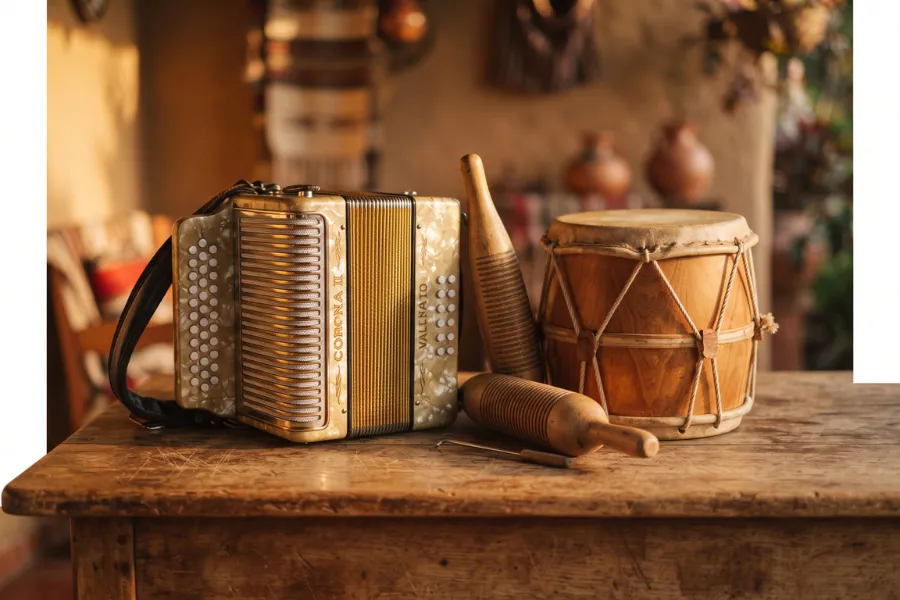
Beyond salsa, Colombia created cumbia, which fuses Indigenous, African, and Spanish influences, plus vallenato, traditionally played on accordion, guacharaca, and caja drums. Both genres began along the Caribbean coast before spreading nationwide. UNESCO later added vallenato to its Intangible Cultural Heritage list, confirming its reach well beyond Colombian borders.
30. Shakira, J Balvin, and Juanes Carried Colombian Music Worldwide

Relative to its size, few countries export this much mainstream music talent. Shakira blended rock with Latin pop into global stardom, J Balvin pushed reggaeton onto Western charts, and Juanes brought Colombian rock to international audiences. Together they turned Colombian music into a cultural export ranking alongside coffee and emeralds.
31. Bogotá’s Streets Double as an Open-Air Art Gallery
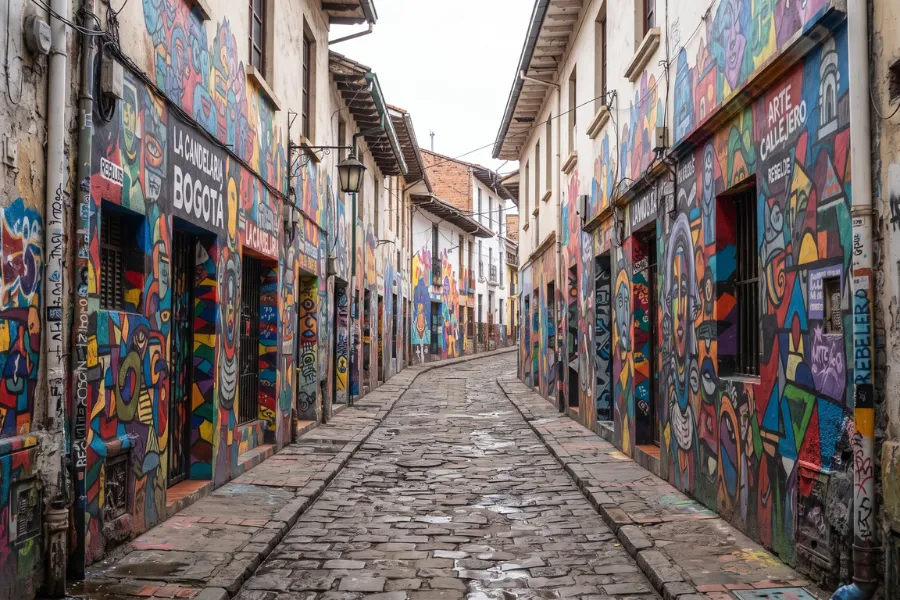
Bogotá hosts one of Latin America’s largest street-art scenes, with neighborhoods like La Candelaria covered in enormous, politically charged murals. Local policy actually shields graffiti artists from prosecution in many areas, which encourages rather than punishes public art. Dedicated graffiti walking tours have since become a standard part of the city’s tourism scene.
32. Barranquilla Hosts One of the World’s Biggest Carnivals
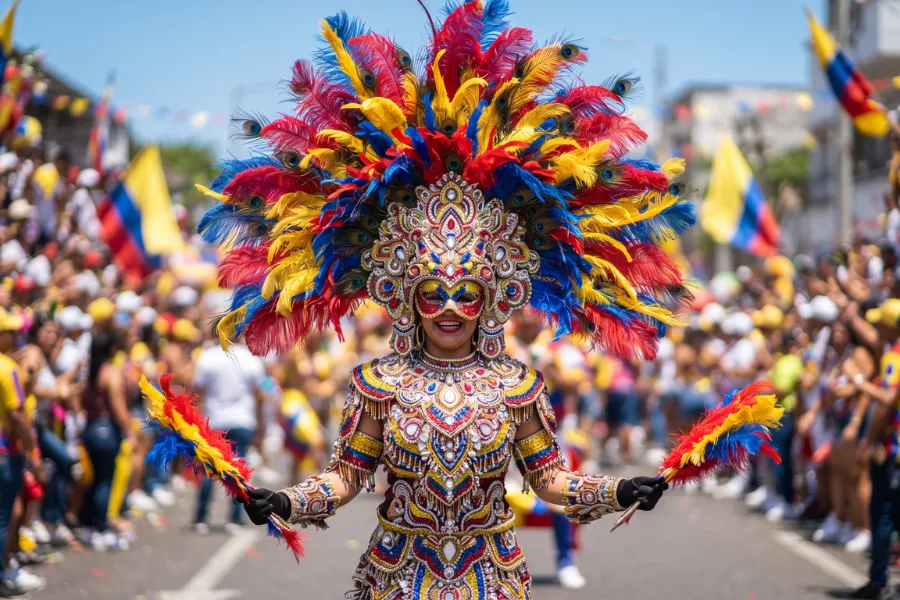
Barranquilla Carnival ranks among the largest street celebrations on Earth, drawing regular comparisons to Rio de Janeiro. UNESCO recognized it as a Masterpiece of the Oral and Intangible Heritage of Humanity for blending Indigenous, African, and European traditions into one four-day event. Anyone drawn to festival culture will find similar depth in these fun facts about Mexico.
Economy, Exports & Surprising Colombia Facts
The final set of Colombia South America fun facts moves underground and onto the streets, from emerald mines to a weekly car-free tradition other cities now copy.
33. Colombia Mines More Emeralds Than Any Other Country
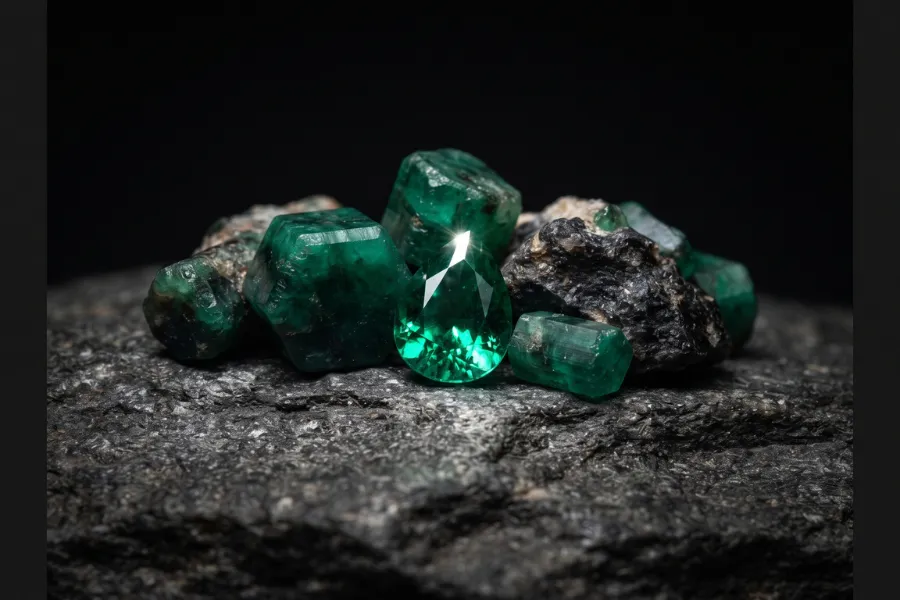
Colombia has led the global emerald trade for over five centuries and currently supplies somewhere between half and two-thirds of world output, depending on whether you measure by carat or by value. The Muzo, Chivor, and Coscuez mines in Boyacá produce stones prized for unusually deep green color and clarity. Long before Spanish colonization, the Muisca and Tairona already treated these gems as sacred.
34. Colombia Is One of the World’s Top Flower Exporters
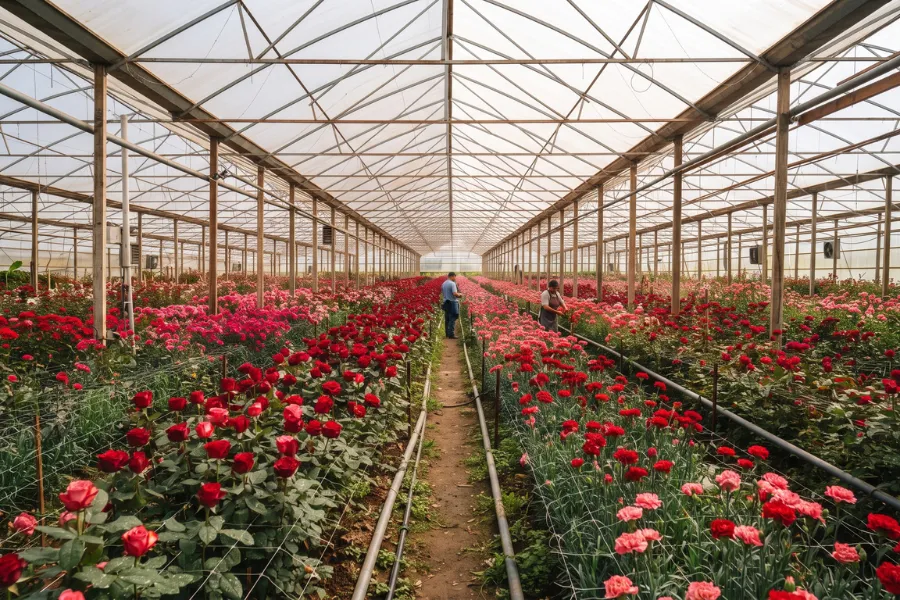
Colombia ships millions of roses and carnations abroad each year, especially to the United States ahead of Valentine’s Day and Mother’s Day. Equatorial daylight lets farms grow flowers year-round rather than seasonally, a significant competitive edge. The industry now employs well over 100,000 people across the savanna surrounding Bogotá.
35. Bogotá Closes 120 Kilometers of Road to Cars Every Sunday
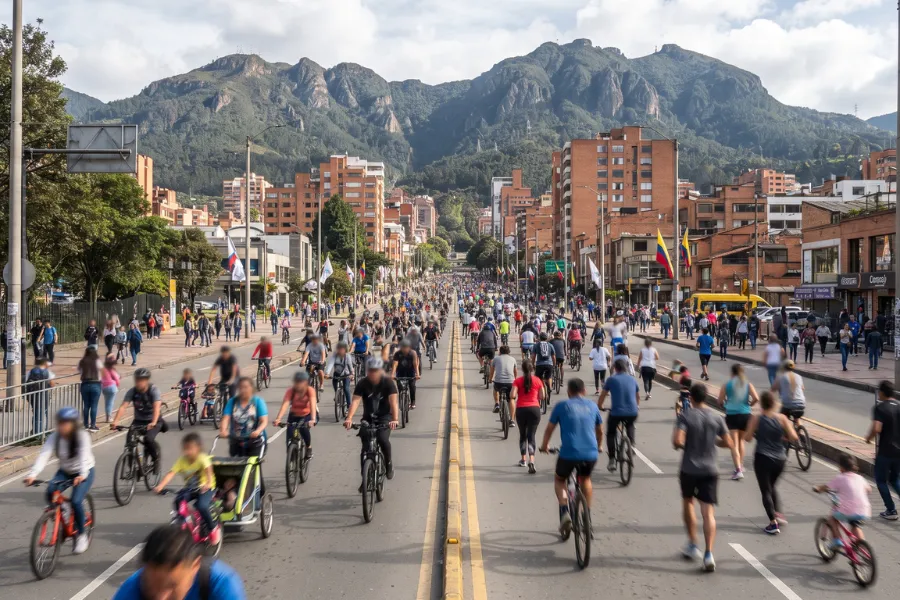
Each Sunday morning, Bogotá shuts more than 120 kilometers of major roads to vehicles for its Ciclovía program, handing the streets to cyclists, runners, and pedestrians. Millions join weekly, making it one of the largest recurring car-free events anywhere. Cities from Los Angeles to Melbourne have since studied and copied the model.
36. Colombian Weather Depends on Altitude, Not Season
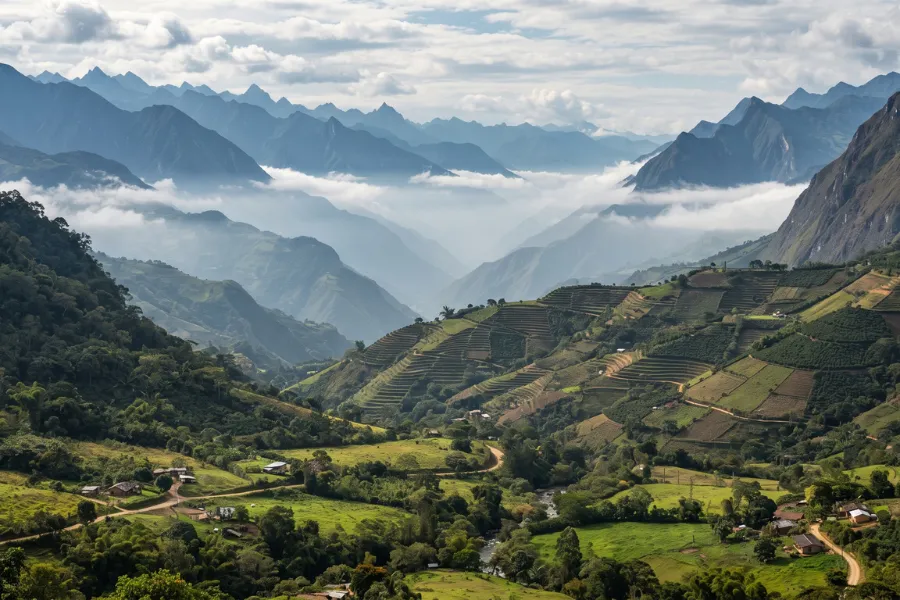
Sitting near the equator, Colombia experiences climate by elevation rather than calendar — locals call the concept “thermal floors.” Medellín earned the nickname “City of Eternal Spring” for its steady mild temperatures, while Bogotá stays cool and the Caribbean coast stays hot in every month of the year. One road trip can therefore pass through tropical heat, spring mildness, and near-freezing mountain air in a single day.
Frequently Asked Questions
What is Colombia best known for?
Colombia is best known for high-quality arabica coffee, extraordinary biodiversity, and vibrant music including salsa, cumbia, and vallenato. Natural landmarks such as Caño Cristales and the Colombian Amazon, along with global artists like Shakira, add to that reputation.
What is a fun fact about Colombia in South America?
The best-known Colombia South America fun fact involves Caño Cristales, a river that turns five colors for a few months each year when a native aquatic plant blooms across its bed.
Why is Colombia famous for biodiversity?
Its equatorial position combines with two coastlines, three Andean ranges, desert, and rainforest to pack an enormous range of ecosystems into a modest territory. Colombia consequently ranks first worldwide in bird and orchid species and second in overall species richness.
What food is Colombia famous for?
Arepas, bandeja paisa, and arabica coffee lead the list. Coastal regions favor seafood and coconut rice, while exotic fruits such as lulo and guanábana appear in juices nationwide.
What is Colombia’s national sport?
Tejo, a traditional game where players throw metal discs at small gunpowder charges, holds official national-sport status. It originated with the Indigenous Muisca and remains widely played today.
Why is Colombia called a megadiverse country?
Conservation International lists Colombia among only 17 megadiverse nations because it hosts a high concentration of endemic species relative to its size and includes marine ecosystems on both coastlines.
What is the Lost City of Colombia?
Ciudad Perdida is a Tairona archaeological site in the Sierra Nevada de Santa Marta, built around 800 CE. It predates Machu Picchu by roughly 650 years and remains reachable only on foot.
Is Colombia worth visiting?
Colombia suits travelers who want variety in one trip: Caribbean beaches, Amazon jungle, Andean cities, colonial architecture, and world-class coffee farms all sit within a few hours of each other by air.
Final Thoughts
Colombia resists easy summary, which is exactly what makes it worth exploring. Any country holding the Amazon, a desert, snow-capped coastal peaks, and a five-colored river inside one border was never going to fit a single storyline.
These 36 Colombia South America fun facts only scratch the surface, and new species still turn up in Colombian forests every year. For more of the continent, keep going with unusual facts about Peru or cross north to these fun facts about Mexico.