


The natural world is packed with incredible creatures, unusual habits, and mind-boggling adaptations that never fail to surprise us. Whether you want to impress your friends at trivia night or you simply love learning about wildlife, diving into fun facts about animals is always an entertaining adventure. Nature has spent millions of years perfecting some of the most bizarre survival tricks imaginable. From ocean depths to sky-high canopy forests, every species has developed its own special superpower. In fact, learning about these behaviors helps us appreciate just how diverse planet Earth truly is. Below, we have gathered a fascinating list filled with amazing fun facts about animals that highlight nature’s wild creativity. Get ready to discover some of the most shocking secrets of the animal kingdom!
Animal Facts: Quick Stats
- Largest animal: Blue whale
- Fastest animal: Peregrine falcon
- Smallest mammal: Bumblebee bat
- Strongest for its size: Dung beetle
- Longest sleeper: Koala
Amazing Mammal Facts

1. Sea Otters Hold Hands While Sleeping
Sea otters hold hands while sleeping so they do not drift apart. Floating in ocean currents can easily push them away from their group during a nap. As a result, they hold on tight to each other to stay safely anchored in place together.
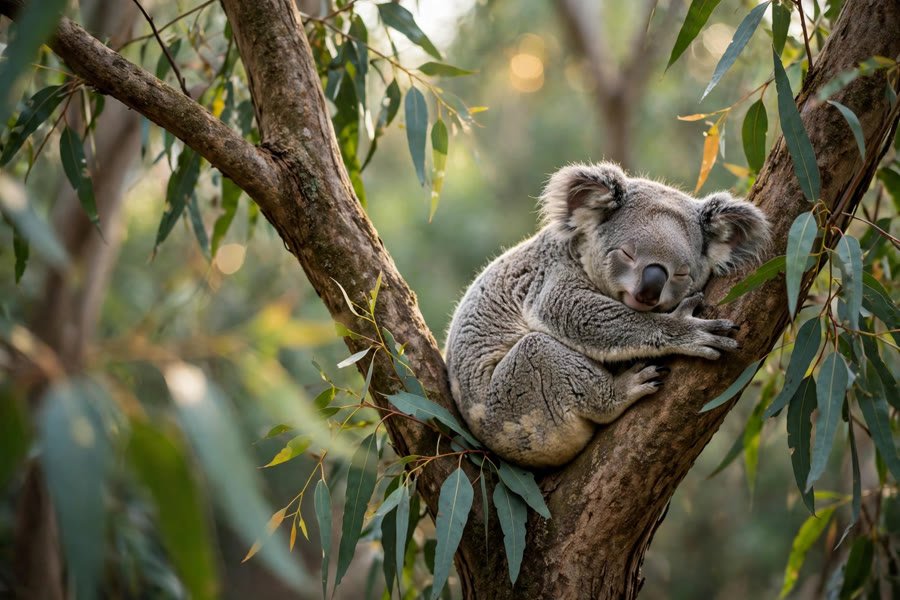
2. Koalas Have Human-Like Fingerprints
A koala’s fingerprints are so similar to a human’s that they could contaminate a crime scene. Even police experts can struggle to tell them apart under a microscope. Koalas are the only animals besides primates known to have unique fingerprints at all.
3. Cows Have Best Friends
Cows form close friendships and get stressed when separated from their best friend. For example, researchers noticed that their heart rates rise when they are kept apart from their preferred partner. However, once reunited with their pasture pal, their stress levels quickly drop back to normal.
4. Reindeer Eyes Change Color
Reindeer eyes change color with the seasons: gold in summer, blue in winter. The dark blue tint helps them capture more light during long, dark Arctic winters. In fact, this clever adaptation improves their vision so they can spot predators in the snow.
5. Hippos Produce Natural Sunscreen
A hippopotamus produces pink sweat that works as a natural sunscreen. This thick, oily secretion protects their sensitive skin from harsh UV rays and wards off harmful bacteria. As a result, they can lounge safely in the hot sun all day long.
6. Wombats Produce Cube-Shaped Poop
Wombat poop is cube-shaped, the only known animal that produces cube droppings. Their intestines shape the waste through irregular muscular squeezes during digestion. Consequently, these square-shaped droppings stay in place on rocks and logs to mark their territory without rolling away.
7. Kangaroos Cannot Walk Backwards
Kangaroos cannot walk backwards. Their large muscular tails and long back legs make moving in reverse practically impossible. For this reason, these Australian icons are always moving forward, which is why they appear on Australia’s national coat of arms!
8. Tiger Stripes Are on Their Skin
A tiger’s stripes are on its skin too, and no two tigers share the same pattern. Just like human fingerprints, every individual cat boasts a completely unique design. Therefore, shaving off a tiger’s fur would still reveal its distinct dark stripes underneath.
9. The Tiny Bumblebee Bat
The bumblebee bat is the world’s smallest mammal, weighing about as much as a paperclip (around 2 grams). Found in Thailand and Myanmar, it is barely longer than an adult’s thumbnail. Naturally, these tiny creature facts are some of the most delightful fun facts about animals you will ever read!
10. Your Favorite Pets Hide Wild Talents
Household favorites: cats sleep 12 to 16 hours a day; dogs can literally smell human stress; and sloths can hold their breath for up to 40 minutes. These curious traits show just how fascinating domestic pets and tropical mammals can be!
Fun Facts About Sea Creatures

11. Octopuses Have Three Hearts
Octopuses have three hearts and blue blood. Two hearts pump blood through their gills, while the third circulates blood to the rest of the body. In fact, their copper-based blood is specially built for cold ocean water.
12. Male Seahorses Give Birth
Male seahorses carry the babies and give birth. The female transfers her eggs into a special pouch on the male’s abdomen during mating. Meanwhile, he protects and nourishes the developing offspring until they are fully ready to hatch and swim free.
13. The Mantis Shrimp’s Deadly Punch
A mantis shrimp’s punch accelerates faster than a speeding bullet and can crack aquarium glass. Their powerful club-like appendages strike with immense force and speed. As a result, the punch generates heat and shockwaves that instantly stun or crush prey.
14. Clownfish Can Change Sex
Clownfish can change sex during their lifetime. They live in groups led by one dominant female and a breeding male. However, if the dominant female dies, the largest male changes sex to take her place and keep the social group functioning.
15. The Immortal Jellyfish
The immortal jellyfish can restart its life cycle when it is injured or old. Through a process called transdifferentiation, it transforms its mature cells back into a youthful polyp state. Consequently, it can theoretically repeat this process over and over.
16. Dolphins Use Signature Whistles
Dolphins have names for each other: unique signature whistles. They develop these distinct sounds early in life to identify themselves to other pod members. For example, they often call out to specific individuals across long distances in the water.
17. The Huge Blue Whale Tongue
A blue whale’s tongue can weigh as much as a whole elephant. That makes it heavier than many land animals! Despite this massive size, their throat opening is surprisingly small and could not swallow an adult human.
18. Shrimp Hearts Are in Their Heads
A shrimp’s heart is located in its head. Its thorax, which houses vital organs like the heart, sits directly beneath its head structure. Discovering how strange underwater species are built is one of our favorite aspects of sharing fun facts about animals.
If you enjoyed these aquatic discoveries, dive deeper with our ocean facts guide and learn more about mysterious ocean life!
Brilliant Bird Facts
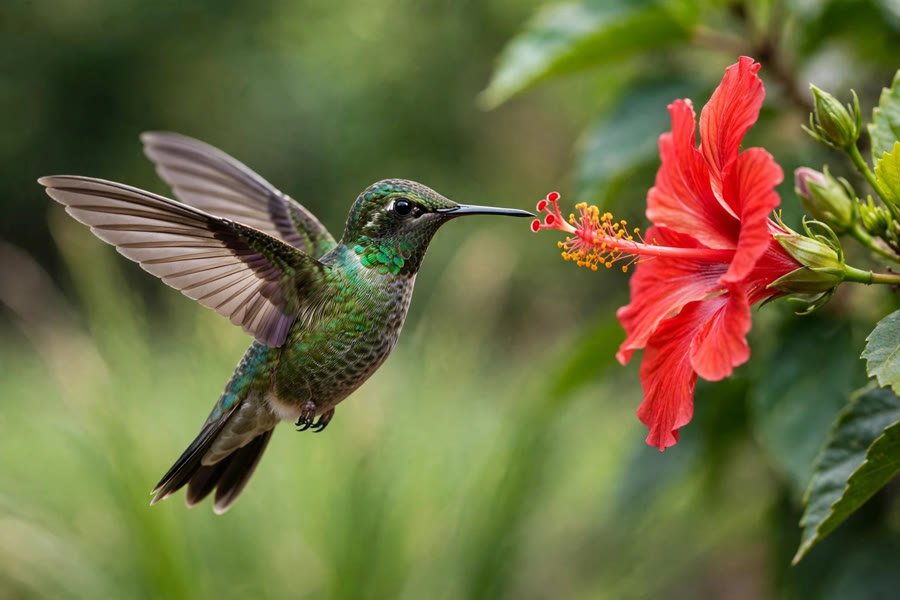
19. Hummingbirds Can Fly Backwards
Hummingbirds are the only birds that can fly backwards. Their flexible wing joints allow them to rotate their wings in a full figure-eight pattern. As a result, they can hover, dart sideways, and fly in reverse with incredible precision.
20. Owls Have Tube-Shaped Eyes
Owls do not have eyeballs; they have tube-shaped eyes that cannot move. Because their eyes are held in place by bony structures, they cannot roll their gaze around. Instead, they must turn their entire heads up to 270 degrees to look around.
21. A Flamboyance of Flamingos
A group of flamingos is called a flamboyance. This fun term perfectly fits their bright pink plumage and striking group displays. Meanwhile, gathering in huge flocks helps protect individual birds from hungry predators.
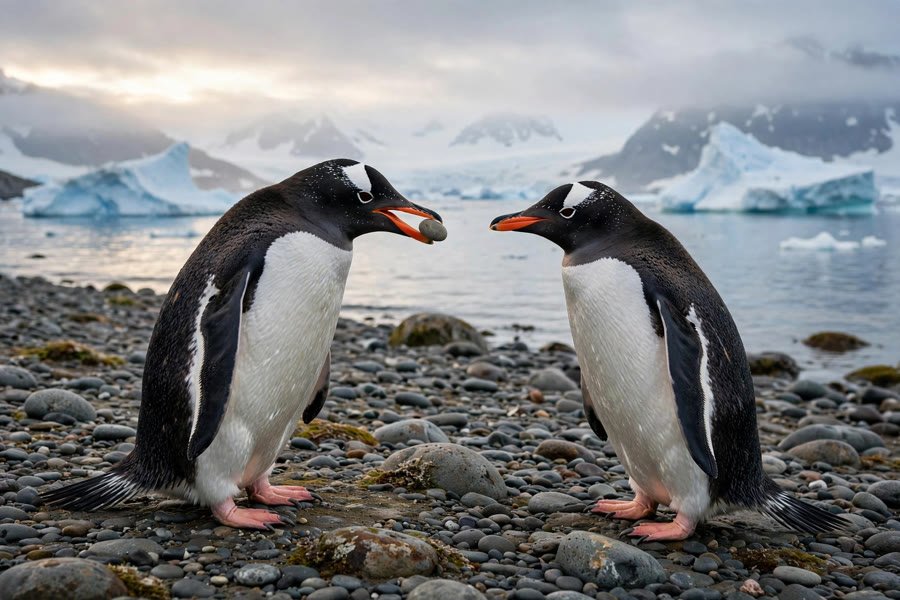
22. Gentoo Penguin Proposals
Gentoo penguins propose to their mates with a carefully chosen pebble. Males search the beaches thoroughly to find the smoothest, most perfect stone available. If the female accepts the gift, she places it in her nest, and the two become a bonded pair. If you love this romantic gesture, you will enjoy our fun facts about penguins.
23. The Speed of the Peregrine Falcon
The peregrine falcon is the fastest animal on Earth, diving at over 240 mph (389 km/h). This high-speed hunting dive allows them to catch prey right out of the air. Sharing bird records like this is a great way to showcase fun facts about animals to fellow nature enthusiasts.
24. An Ostrich’s Giant Eye
An ostrich’s eye is bigger than its brain. Their large eyes take up a huge amount of space inside their skull, giving them exceptional vision across open plains. However, their brain is relatively small, leaving plenty of room for those massive optical organs!
Insects and Tiny Creatures
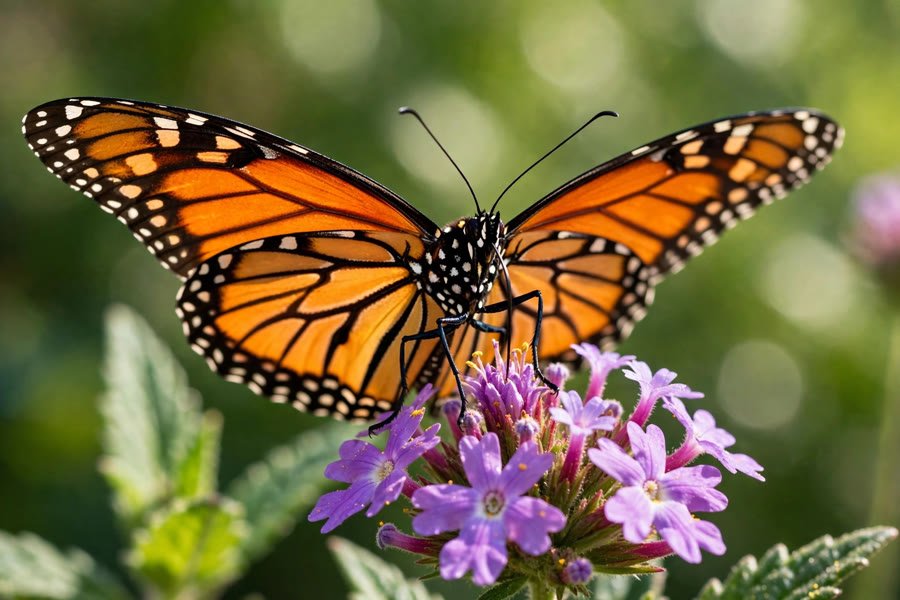
25. Butterflies Taste with Their Feet
Butterflies taste with their feet. Their leg sensors allow them to land on a plant and instantly determine if it is delicious or safe for laying eggs. For example, this quick tasting mechanism prevents them from placing larvae on toxic host plants.
26. Ants Breathe Through Spiracles
Ants have no lungs; they breathe through tiny holes in their bodies called spiracles. Oxygen enters through these tiny openings on their exoskeletons and circulates through a network of tubes. In fact, this lightweight system is ideal for such tiny insects.
27. Honeybees Recognize Human Faces
Honeybees can learn to recognize human faces. Researchers discovered that bees combine individual facial features to identify specific people over time. As a result, these tiny insects possess far more advanced visual processing skills than scientists once expected.
28. Snails Can Sleep for Years
A snail can sleep for up to three years when the weather turns harsh. During extreme cold or drought, they produce protective mucus to seal themselves inside their shells. Meanwhile, their bodies slow down completely until favorable environmental conditions return.
29. Ancient Prehistoric Dragonflies
Dragonflies were already flying 300 million years ago, before the dinosaurs. Ancient fossils show that prehistoric ancestors of these insects had massive wingspans reaching over two feet wide. Learning about ancient bugs adds an extra layer of history to reading fun facts about animals.
30. The Mighty Dung Beetle
A dung beetle can pull over 1,000 times its own body weight, the strongest animal relative to its size. To put that in perspective, that is like a human pulling six fully loaded double-decker buses! Consequently, this insect holds the title for ultimate physical strength in the animal kingdom.
Reptiles and Amphibians

31. Crocodile Tongues Stay Fixed
Crocodiles cannot stick out their tongues; a membrane holds the tongue in place. This special flap keeps their airway closed so water does not rush into their lungs while hunting underwater. For this reason, you will never see a crocodile sticking its tongue out at you!
32. Wood Frogs Freeze Solid
The wood frog can freeze solid in winter and thaw back to life in spring. Their bodies produce natural chemical antifreeze compounds that prevent ice crystals from damaging vital organs. In fact, their heart stops beating entirely until warmer weather revives them.
33. Sea Turtle Magnetic Navigation
Sea turtles navigate thousands of miles using Earth’s magnetic field. They possess internal magnetic sensors that act like a built-in compass to guide their journeys across vast ocean expanses. As a result, females can return to the exact beach where they hatched decades earlier.
34. Rear-End Breathing Turtles
Some turtles can breathe through their rear end, a process called cloacal respiration. This unusual method allows them to extract oxygen directly from the water during long winter hibernations at the bottom of frozen ponds. Uncovering wild adaptations like this makes exploring fun facts about animals endlessly entertaining!
35. Axolotls Regenerate Organs
Axolotls can regrow parts of their heart, limbs and even their brain. Unlike most vertebrates, these rare Mexican salamanders heal without forming scar tissue on wounded areas. Consequently, scientists study their incredible regenerative abilities to help improve human medicine.
Record-Breaking Animal Facts
36. The Massive Blue Whale
The blue whale is the largest animal known to have ever lived, bigger than any dinosaur. Their heart alone can weigh around 200 kilograms! Therefore, these ocean giants hold the ultimate record for sheer physical size in Earth’s long history.
37. Rapid Cheetah Acceleration
A cheetah can go from 0 to 60 mph in about three seconds. Their lightweight bodies, flexible spines, and specialized non-retractable claws give them unmatched traction during high-speed chases. In fact, their acceleration rivals some of the fastest modern sports cars.
38. Giraffe Neck Vertebrae
Giraffes have exactly seven neck vertebrae, the same number as humans. Even though their necks can stretch over six feet long, each individual bone is simply much larger than ours. Comparing human anatomy to nature provides great insights into fun facts about animals.
39. Elephants “Hear” with Their Feet
Elephants “hear” through their feet, picking up rumbles through the ground from miles away. Sensitive nerve endings in their footpads detect low-frequency seismic vibrations produced by other herds. Consequently, they can communicate and sense distant danger through the earth.
40. Giant Panda Diet Habits
Giant pandas spend 10 to 16 hours a day just eating bamboo. Because bamboo contains very few nutrients, these bears must consume huge quantities daily to meet their body’s energy needs. As a result, they spend almost all their waking hours chewing on woody stalks!
FAQs About Animal Facts
What is the weirdest animal fact?
The weirdest animal fact is that wombats produce cube-shaped poop. They are the only known living species capable of producing square droppings. Their specialized intestines shape the waste so that it stays stacked on rocks to mark territory without rolling away.
Which animal sleeps the longest?
Koalas hold the title for the longest sleepers, resting up to about 20 hours a day. They spend almost their entire lives high up in eucalyptus trees staying still. In fact, their low-energy diet of tough eucalyptus leaves requires them to conserve as much energy as possible through rest.
What is the fastest animal in the world?
The peregrine falcon is the fastest animal in the world, diving at over 240 mph (389 km/h) to catch prey. When dropping from extreme heights, their aerodynamic bodies slice through the air effortlessly. Meanwhile, specialized nostrils allow them to breathe smoothly at such incredible speeds.
Which animal has three hearts?
The octopus has three hearts and blue blood running through its body. Two hearts pump blood directly to the gills, while the third circulates blood throughout the rest of its body. Furthermore, their copper-based blood gives it a distinct blue tint instead of red.
What is the strongest animal in the world?
The dung beetle is the strongest animal in the world relative to its size, pulling 1,141 times its own body weight. This remarkable feat is equivalent to an average human dragging six double-decker buses. Their immense muscle power helps them move massive balls of dung across rough terrain.
Which animal is the largest ever to live?
The blue whale is the largest animal ever known to live on Earth, growing nearly 30 metres long. They are significantly larger than even the biggest prehistoric dinosaurs that ever walked the land. In fact, a single adult blue whale can weigh over 150 tons.
Conclusion
The animal kingdom never ceases to amaze us with its endless marvels, record-breaking features, and funny quirks. From hand-holding sea otters to cube-pooping wombats, exploring fun facts about animals reminds us how wonderful wildlife really is. Taking care of animals at home is just as important as learning about species in the wild. Make sure to check our guinea pig feeding guide before sharing snacks from your kitchen. Keep exploring, stay curious about nature, and share these awesome facts with your friends!
Sources: Smithsonian Magazine, National Geographic, BBC Wildlife, Guinness World Records, San Diego Zoo.