
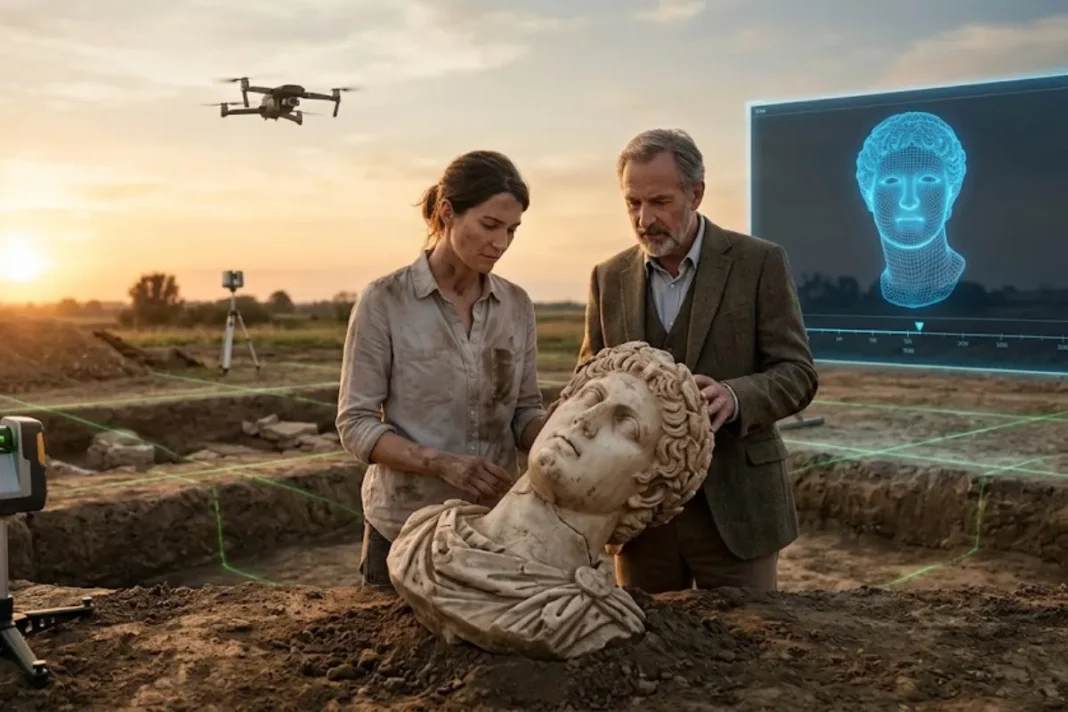

When figuring history, scholars cannot simply rely on textbooks or ancient folklore. Have you ever paused to wonder how we actually know what occurred thousands of years ago? When you open a history book, visit an ancient ruin, or read about ancient civilizations like Egypt, Rome, or the Indus Valley, you might assume that everything was neatly recorded in journals. However, the reality is far more complex and fascinating.
Figuring history is not merely about memorizing dates, kings, and ancient battles. Instead, it is a dynamic, high-tech scientific process where historians, archaeologists, geneticists, and computer scientists work together like forensic investigators. By analyzing physical artifacts, sequencing ancient DNA, using satellite imaging, and deciphering forgotten scripts, researchers piece together human civilization from scratch.
Furthermore, decoding history requires a deeply analytical mind—much like applying an operational definition in psychology to measure abstract human behaviors. Every artifact, bone fragment, and manuscript serves as empirical data that helps us understand our shared human past.
What Does Figuring History Really Mean?
At its core, figuring history means reconstructing past human events, cultural practices, and environmental conditions using physical, textual, and biological evidence. History is never truly “set in stone.” Instead, historical understanding evolves whenever scholars uncover new evidence or apply innovative scientific methods to old discoveries.
Historically, people believed stories passed down through oral tradition or biased official records. Today, however, historians approach historical claims with healthy skepticism. They cross-examine multiple independent sources to separate myth from verifiable reality.
+-----------------------------------------------------------------------+
|                    THE PROCESS OF FIGURING HISTORY                     |
+-----------------------------------------------------------------------+
|  Primary Sources (Artifacts, Diaries, DNA, Ruins)                     |
|                         +                                             |
|  Scientific Analysis (Carbon Dating, LiDAR, AI Translation)           |
|                         +                                             |
|  Critical Evaluation & Cross-Examination                              |
|                         =                                             |
|  Accurate Historical Knowledge                                        |
+-----------------------------------------------------------------------+
Primary vs. Secondary Sources: The Raw Material of History
To understand how experts decode the past, you must first understand the fundamental building blocks of historical research: primary and secondary sources.
1. Primary Sources
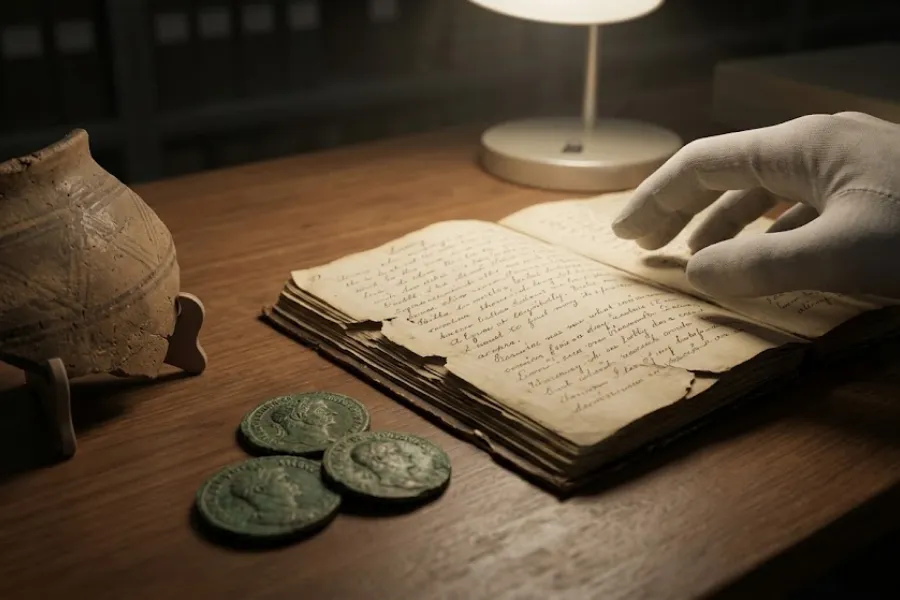
Primary sources are raw, direct evidence created during the specific historical period under investigation. Because they offer immediate eyewitness testimony, they are indispensable for figuring history.
- Written Records: Legal codes, personal letters, royal decrees, tax ledgers, papyrus scrolls, and clay tablets.
- Physical Artifacts: Ancient weaponry, coins, pottery, tools, clothing, and architectural ruins.
- Biological Evidence: Human skeletons, animal bones, plant seeds, and fossilized organic matter.
2. Secondary Sources
Secondary sources synthesize, analyze, and interpret primary evidence. Examples include scholarly history books, academic journal articles, documentary films, and biographical essays. While secondary sources provide valuable context, serious historians always return to primary sources to verify the original evidence.
The Hard Science of Figuring History: Archaeology and Biology
In the past, studying history meant sitting in a library reading ancient manuscripts. However, modern historical research heavily relies on hard science. By adopting a cross-curricular focus on physical science, researchers leverage chemistry, physics, and biology to unlock secrets that written words never revealed.
| Scientific Method | How It Works | Historical Breakthrough |
| Radiocarbon Dating (Carbon-14) | Measures the radioactive decay of Carbon-14 in organic materials. | Provides precise absolute dates for bones, wood, and textiles up to 50,000 years old. |
| Ancient DNA (aDNA) Sequencing | Extracts genetic material from ancient teeth and fossilized skeletal remains. | Tracks prehistoric human migrations, ancient pandemics, and evolutionary traits. |
| LiDAR (Light Detection and Ranging) | Shoots millions of laser pulses from aircraft to map ground contours through dense foliage. | Uncovers lost cities, ancient road networks, and agricultural canals hidden under rainforests. |
| Dendrochronology | Measures tree-ring growth patterns year by year. | Pinpoints precise construction dates for wooden structures and reveals ancient droughts. |
| Isotope Analysis | Analyzes chemical isotopes (strontium, oxygen) in ancient teeth and bones. | Reveals where an ancient individual lived during childhood and what their daily diet consisted of. |

Understanding these scientific techniques shows us that curiosity drives all human learning—a trait shared across both human history and intriguing fun facts about science.
High-Tech Innovations in Figuring History: AI and Satellites
Technology has completely revolutionized how we uncover buried secrets. Modern tools process data at speeds that were unimaginable just a few decades ago.
1. Artificial Intelligence and Ancient Scripts
Thousands of ancient cuneiform clay tablets from Mesopotamia sit in museum vaults, unread because only a few experts can decipher them. Today, machine learning algorithms analyze, translate, and reassemble broken tablets in seconds. Furthermore, AI models have successfully read fragile, charred scrolls—such as the Herculaneum papyri—without physically opening or damaging them.
2. Satellite Archaeology
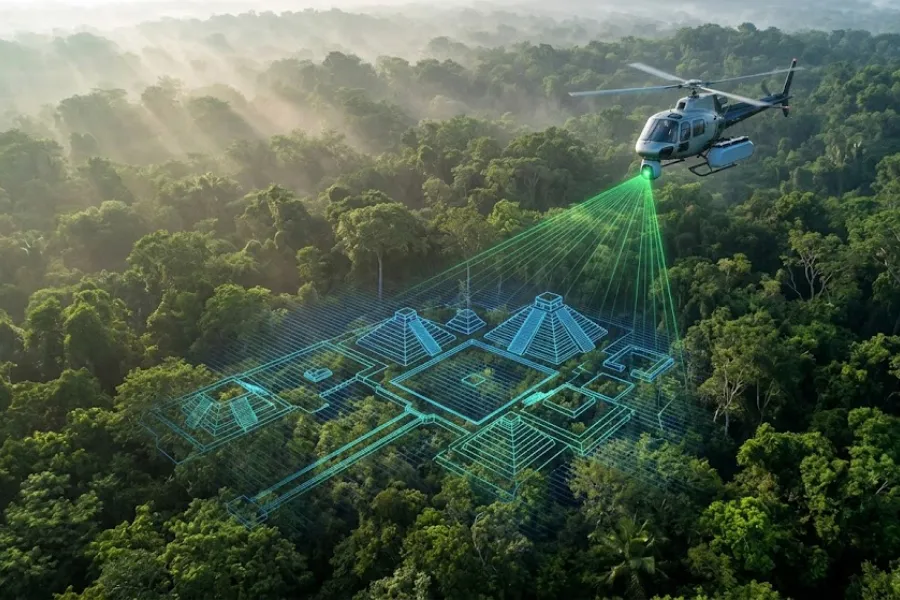
Archaeologists no longer rely solely on shovels and luck. High-resolution satellite imagery allows researchers to spot hidden subterranean structures from space. Crop marks, soil discolorations, and elevation shifts visible from orbit reveal buried Roman forts, ancient burial mounds, and long-lost irrigation canals.
3. 3D Digital Preservation
Laser scanning and photogrammetry create exact 3D digital replicas of ancient monuments and historical artifacts. This process preserves priceless heritage sites against war, climate change, and natural disasters while making them accessible to global researchers online.
Strange and Unexpected Historical Discoveries Across the Globe
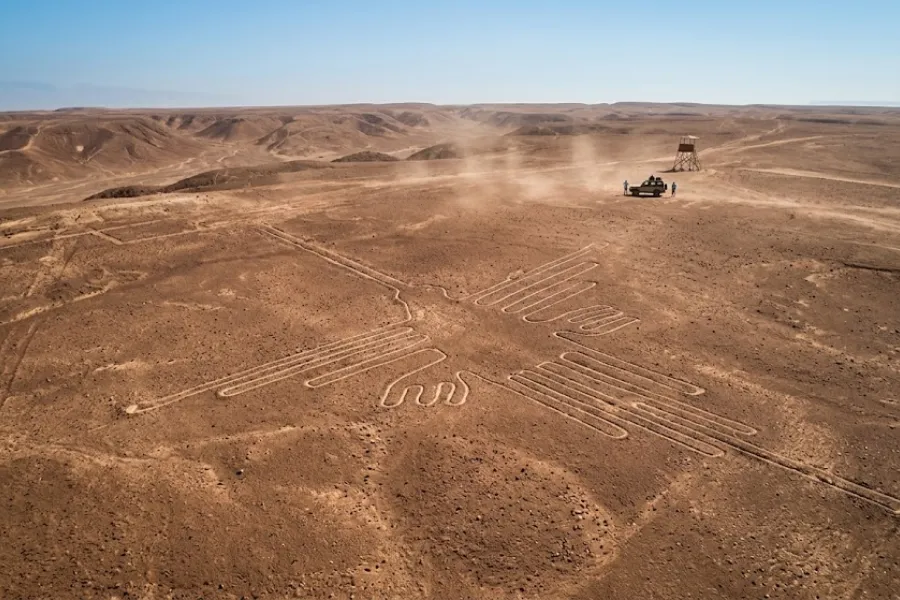
As scientists re-examine global historical sites with modern technology, they frequently uncover strange, bizarre, and astonishing facts that challenge traditional narratives.
- Ancient South American Civilizations: Deep in South America, high-tech surveying has uncovered vast pre-Columbian urban settlements. For instance, exploring the diverse geography and heritage featured in unusual facts about Peru reveals sophisticated agricultural terracing and ancient desert geoglyphs (the Nazca Lines) that scholars are still decoding.
- Pre-Inca Ingenuity in Ecuador: Recent excavations detailed in unusual facts about Ecuador show how ancient coastal cultures traded complex metallurgy and pottery long before the Inca Empire expanded across the Andes.
- Colombia’s Ancient Gold Crafts: Research surrounding Colombia South America fun facts highlights lost cities like Ciudad Perdida built deep in the jungle, demonstrating advanced engineering and gold-crafting techniques.
- Bizarre North American Discoveries: History is filled with unusual human creations, including unconventional sound devices like weird musical instruments crafted from animal bones and clay in ancient ritual centers.
- Maritime Discoveries in Europe: Discoveries outlined in weird facts about Portugal show how age-of-discovery navigators used advanced astronomical instruments and cartography to map previously unknown global trade routes.
- North American Cultural Curiosities: Even vibrant North American history, packed with vibrant cultural evolution and fun facts about Mexico, shows how ancient Mesoamerican civilizations engineered massive stone pyramids and intricate calendars without modern iron tools.
Animals in Figuring History: Our Unsung Historical Partners
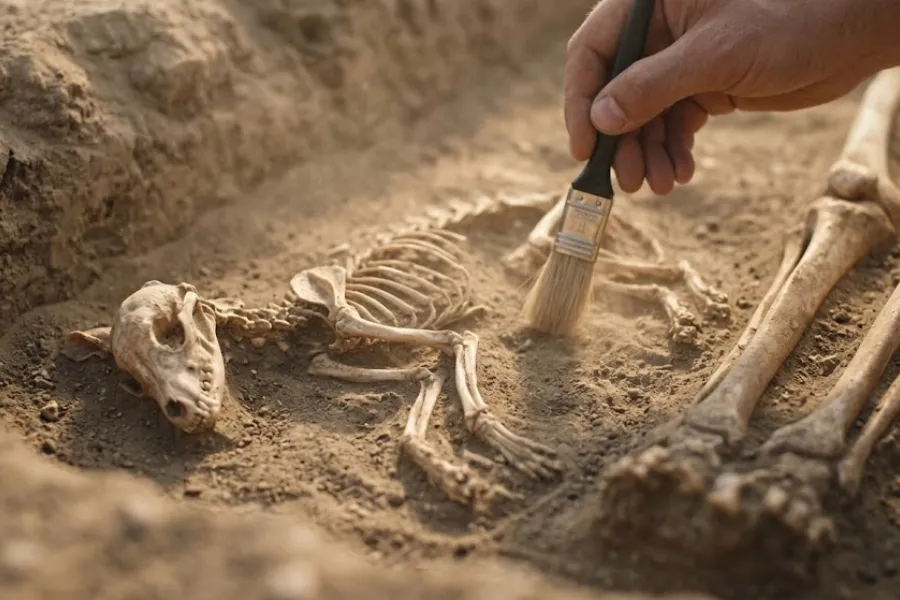
When figuring history, scholars do not focus exclusively on human kings and wars. Animals have played a monumental role in shaping human settlement, agriculture, military conquests, and social evolution.
Domesticated Companions
Dogs were humanity’s very first domesticated animal partner. Biological history and archaeological digs reveal that early humans relied heavily on canine companions for hunting, tracking, and guarding settlements. This deep historical bond explains many of the fascinating behaviors we celebrate today in fun facts about dogs.
Feline Guardians of Grain
Similarly, cats domesticated themselves near early agricultural settlements in the Fertile Crescent. Ancient Egyptians revered cats because they protected grain stores from rodents and disease. Today, domestic pets have evolved unique dietary needs; pet owners frequently ask questions like can cats eat broccoli or research safe diets for small household herbivores like can guinea pigs eat grapes. Understanding animal evolution helps us trace how ancient farming allowed human civilizations to flourish.
How Human Psychology Impacts Figuring History
History is not just a collection of physical facts; it is fundamentally a human story. Therefore, understanding human motivation, cognitive biases, and social behavior is essential when figuring history.
Historical Bias and Propaganda
Kings, conquerors, and religious leaders frequently altered historical accounts to boost their own prestige. Scribes routinely exaggerated military victories while downplaying defeats. Modern researchers must apply insights from psychological facts human mind behavior to recognize cognitive biases, nationalistic propaganda, and political spinning in ancient texts.
Everyday Life vs. Elite Narratives
In the past, chroniclers only recorded the lives of rich rulers, ignoring everyday workers, women, and common soldiers. Today, historians use forensic archaeology, trash pit digs, and ancient sewage analysis to reconstruct the daily diets, health challenges, and lifestyles of ordinary citizens.
Common Misconceptions: Myths Science Has Debunked
Scientific tools have completely overturned several deeply held historical myths:
- Myth: The Vikings Wore Horned HelmetsReality: Archaeological digs have never unearthed a horned Viking helmet. 19th-century opera costume designers invented this myth.
- Myth: The Black Death Was Caused by Bad Air (“Miasma”)Reality: DNA extraction from 14th-century plague victims confirmed that the bacterium Yersinia pestis caused the Bubonic Plague, transmitted by fleas on rodents.
- Myth: Ancient Mesoamericans Were PrimitiveReality: LiDAR scans prove ancient Mayan and Aztec cities featured advanced road networks, complex water management systems, and sophisticated astronomical observatories.
Even modern pop culture and consumer trends often carry surprising histories or myths, ranging from the origins of popular food products to surprising dietary profiles like twisted tea nutrition facts. Investigating facts with scientific rigor is the only way to separate truth from fiction.
Step-by-Step: How Historians Solve a Historical Mystery
When a new discovery occurs, scholars follow a rigorous, step-by-step scientific process to reconstruct the truth:
[ Step 1: Excavation & Artifact Recovery ]
                   │
                   ▼
[ Step 2: Laboratory Scientific Testing ]
(Carbon Dating, DNA Analysis, Metallurgical Scanning)
                   │
                   ▼
[ Step 3: Textual Cross-Examination ]
(Comparing physical data with written historical records)
                   │
                   ▼
[ Step 4: Peer Review & Scholarly Debate ]
                   │
                   ▼
[ Step 5: Publication & Revising Historical Consensus ]
Why Figuring History Matters for the Future
Studying how we decode the past is far more than an academic exercise. It equips us with critical skills needed to navigate our modern, fast-paced digital world.
- Fosters Critical Thinking: Learning how scholars verify historical evidence teaches you how to evaluate modern news sources, spot propaganda, and identify fake news.
- Informs Modern Decisions: Understanding past climate disasters, economic collapses, and societal shifts helps current policymakers make smarter decisions for the future.
- Connects Global Cultures: Uncovering shared ancient roots fosters cross-cultural empathy, reminding us that all human societies share common struggles and triumphs.
Final Thoughts: History Is an Evolving Investigation
History is not a closed book full of static facts. Instead, it is an active, ongoing scientific investigation. Every time an archaeologist digs up a new site, a geneticist sequences ancient bone marrow, or an AI algorithm decodes an unread clay tablet, another piece of the human puzzle falls into place.
By combining scientific precision with careful textual analysis, we keep figuring history—one groundbreaking discovery at a time.
Frequently Asked Questions (FAQs)
What is the most accurate method for dating ancient artifacts?
Radiocarbon dating (Carbon-14) is the gold standard for organic materials up to 50,000 years old. For older non-organic items or rocks, scientists use potassium-argon dating, uranium-series dating, or dendrochronology (tree-ring dating).
How do historians know if an ancient written document is authentic?
Historians use textual criticism, paleography (studying ancient handwriting styles), chemical analysis of inks and paper/papyrus, and radiocarbon dating to verify that a document was created during the claimed time period.
Can historical facts change over time?
Yes! As new archaeological digs occur, new scientific tests are developed, or forgotten documents are translated, the historical consensus evolves to reflect the most accurate, evidence-based understanding of the past.