
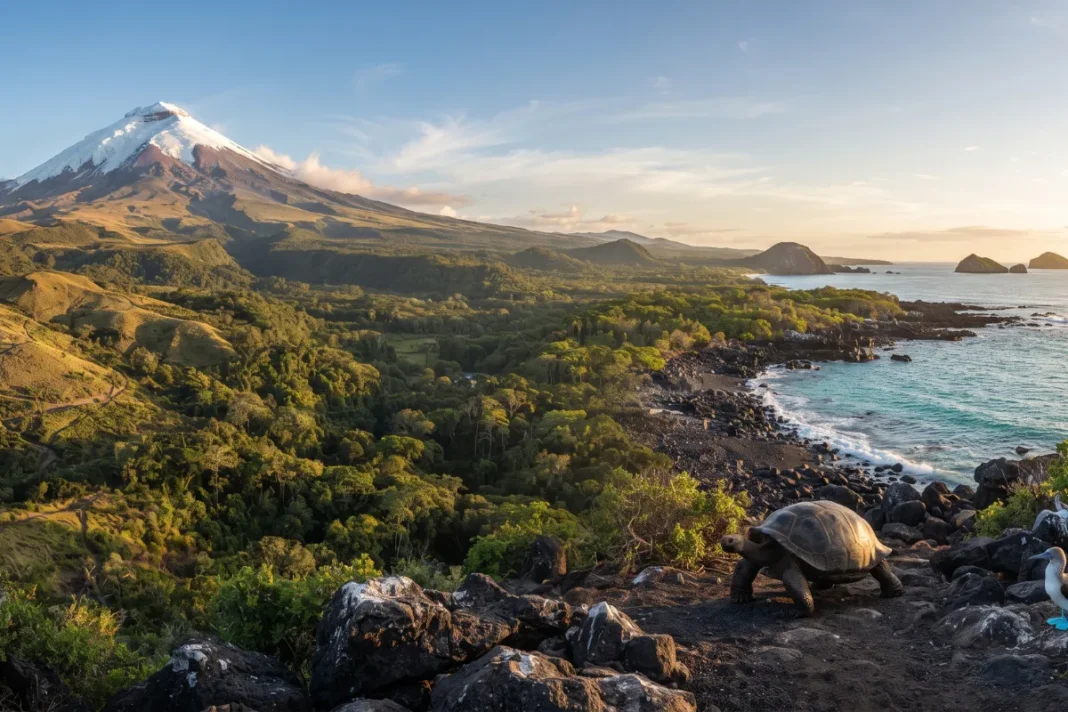

Ecuador looks small on the map. But it hides big surprises. This small country holds equatorial volcanoes, rare islands, and wildlife found nowhere else on Earth. Below, you will find 25 unusual facts about Ecuador, along with the geography, culture, and traditions that make this country so special. For more regional gems, check out the unusual facts about Peru and the fun facts about Mexico.
Quick Facts About Ecuador
Before we dive into the unusual facts about Ecuador, here is a quick snapshot of the country.
- Official name: República del Ecuador
- Capital city: Quito
- Official language: Spanish
- Currency: US Dollar
- Location: Northwestern South America
- Natural regions: Four (Coast, Andes, Amazon, and Galápagos)
- Famous for: The Galápagos Islands and the Equator line
Where Is Ecuador and What Makes It So Unusual?
Ecuador sits in northwestern South America. Colombia borders it to the north, and Peru borders it to the south and east. Neighbouring countries hide plenty of surprises too — the fun facts about Colombia show just how diverse this part of the continent really is.
What truly sets Ecuador apart, though, is the Equator line. It crosses the country directly, and it even gives the nation its name. Because of this position, Ecuador packs four different worlds into one small territory: the Pacific coast, the towering Andes, the thick Amazon rainforest, and the remote Galápagos Islands. This rare mix explains why so many unusual facts about Ecuador exist in the first place.
25 Unusual Facts About Ecuador
1. Ecuador Got Its Name From the Equator
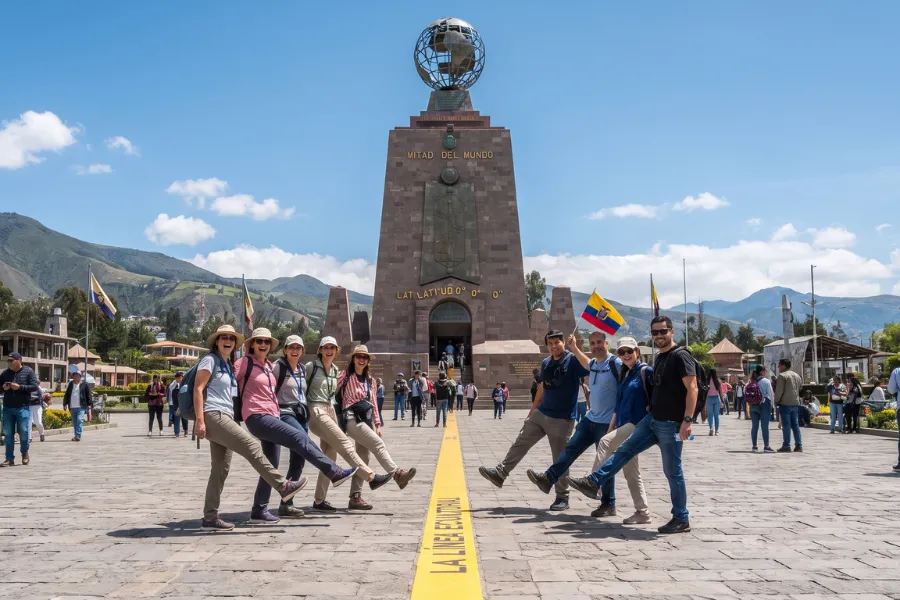
Ecuador’s official name, República del Ecuador, means “Republic of the Equator.” The country chose this name because the Equator line runs directly through it. Near Quito, a monument called Mitad del Mundo (“Middle of the World”) marks the exact spot where the line is believed to cross.
2. Ecuador Holds Four Completely Different Natural Worlds
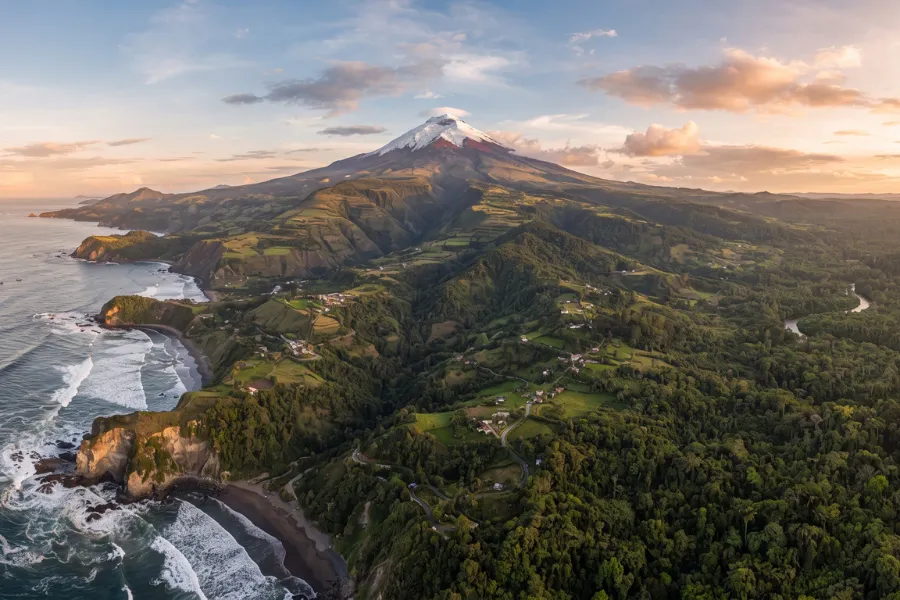
Ecuador ranks among the smallest countries in South America. Yet it still splits into four distinct regions: La Costa (the coast), La Sierra (the Andean highlands), Amazonia (the Oriente, or Amazon region), and the Galápagos Islands. Travellers can experience a rainforest, a mountain range, a coastline, and an archipelago in a single trip.
3. The Equator Crosses the Galápagos Islands Too
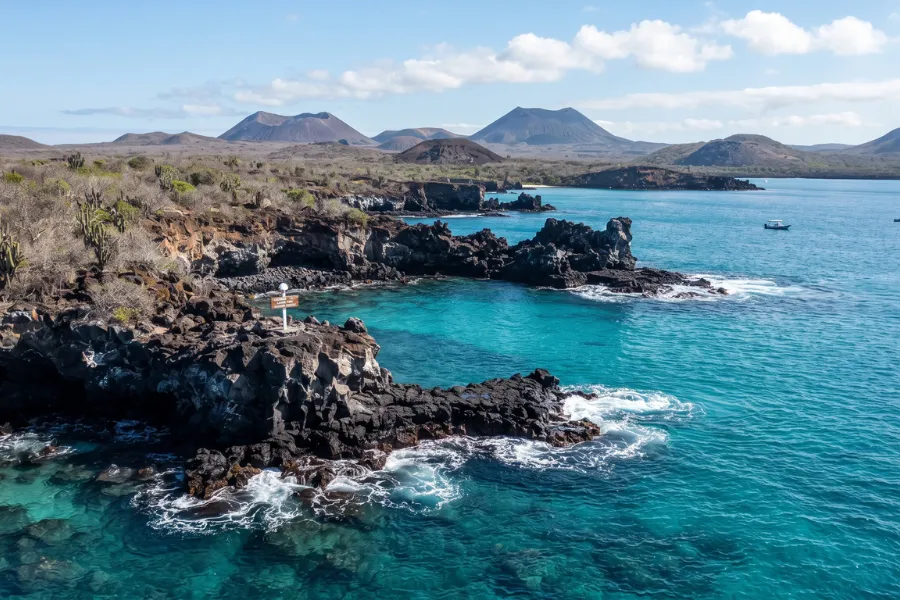
Most people assume the Equator only passes through mainland Ecuador. In fact, it also cuts through several volcanic areas of Isabela Island in the Galápagos. This creates a surprising geographic link between the mainland and the islands.
4. Quito Ranks Among the Highest Capital Cities on Earth
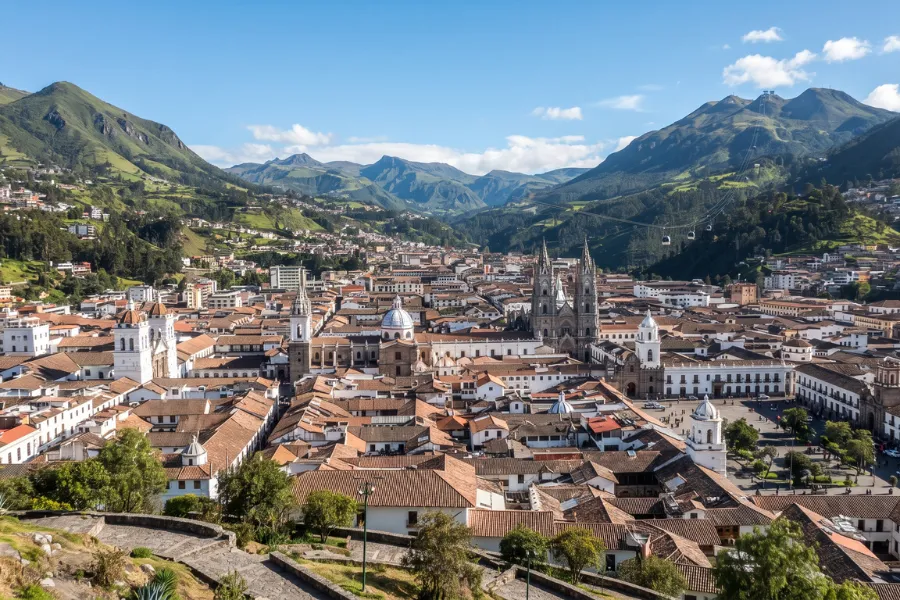
Quito sits at roughly 2,850 metres (9,350 feet) above sea level. This makes it one of the highest official capital cities in the world. The Andes Mountains shape daily life here, bringing thin air, cool temperatures, and dramatic views. Meanwhile, UNESCO named the Historic Center of Quito among the first World Heritage Sites, thanks to its remarkable preservation.
5. Ecuador Gave Nature Legal Rights
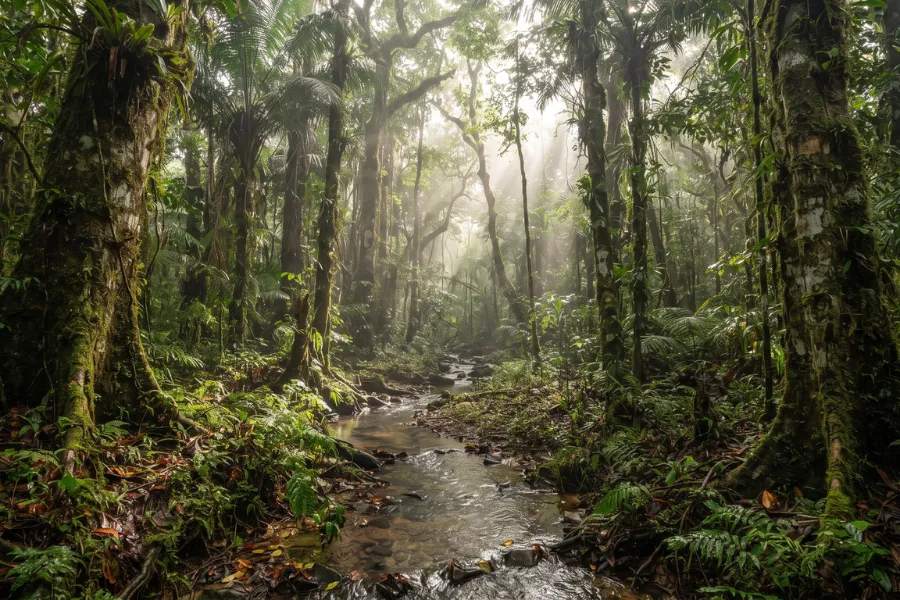
In 2008, Ecuador made history. It became the first country to grant legal rights to nature in its constitution. This idea connects closely to Pachamama, or Mother Earth, a concept rooted in indigenous belief. Because of this law, ecosystems can now defend themselves in court, which places Ecuador far ahead of most nations in environmental law.
6. Ecuador Packs Huge Biodiversity Into a Tiny Space
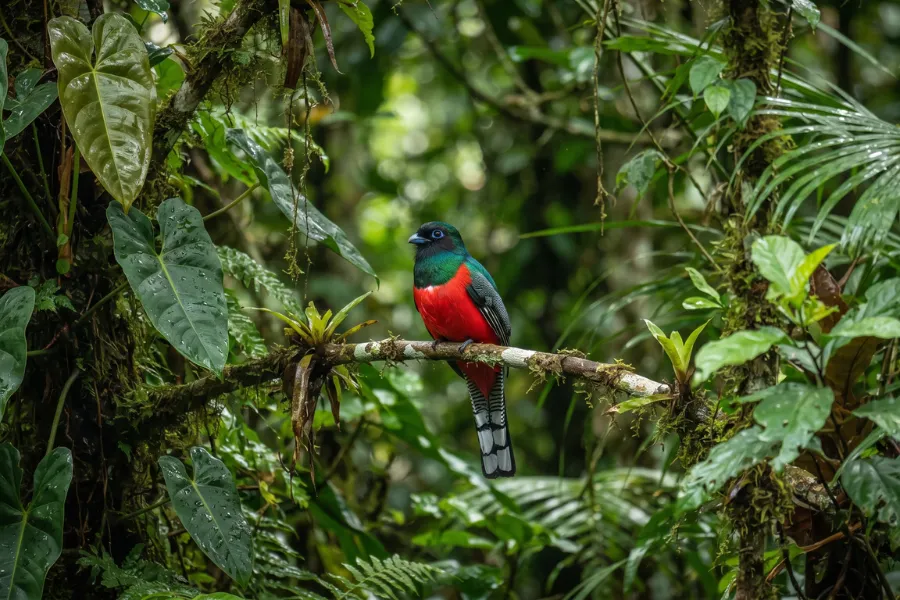
Ecuador covers less than 1% of the planet’s landmass. Still, it holds an extraordinary share of the world’s plants, mammals, birds, reptiles, and amphibians. Protected reserves like Yasuní National Park safeguard much of this richness, and scientists rank it among the most biodiverse places on Earth.
7. Ecuador Offers a True Paradise for Birdwatchers
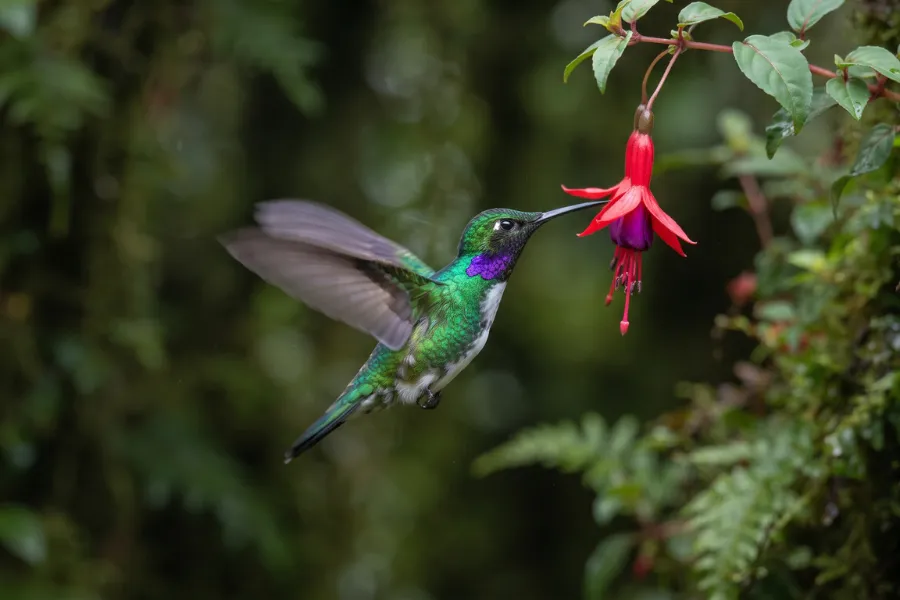
Ecuador hosts more than 1,600 bird species. This makes it a top destination for birdwatchers worldwide. Tiny, dazzling hummingbirds fill the cloud forests. The majestic Andean condor soars above the highlands. Unique seabirds gather along the Galápagos coastlines.
8. Some Ecuadorian Trees Seem to “Walk”
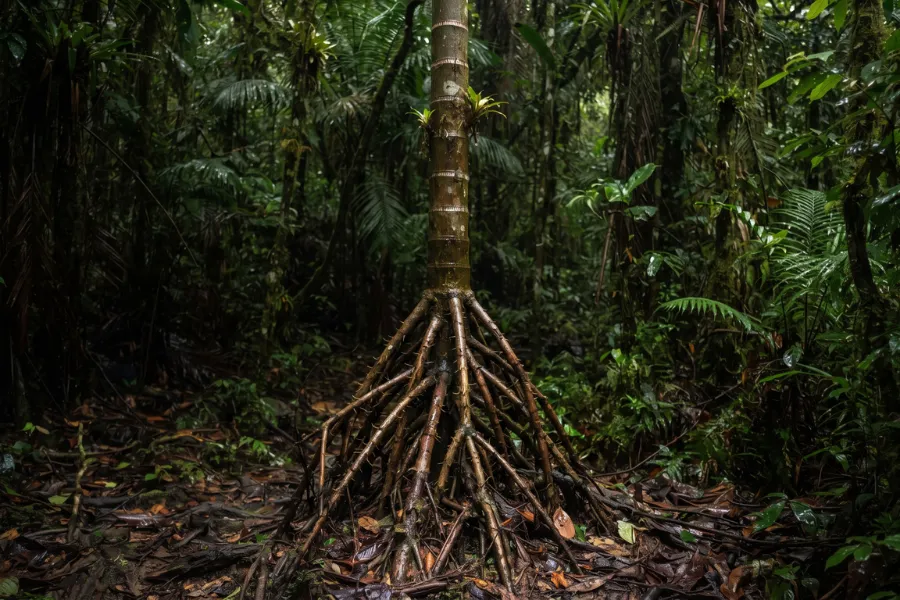
Deep in the Amazon rainforest, a strange plant called the walking palm grows. Over time, it grows new roots toward better sunlight or soil, while older roots slowly die off. This process gives the tree the appearance of “walking” across the forest floor.
9. Galápagos Wildlife Helped Change Our Understanding of Evolution
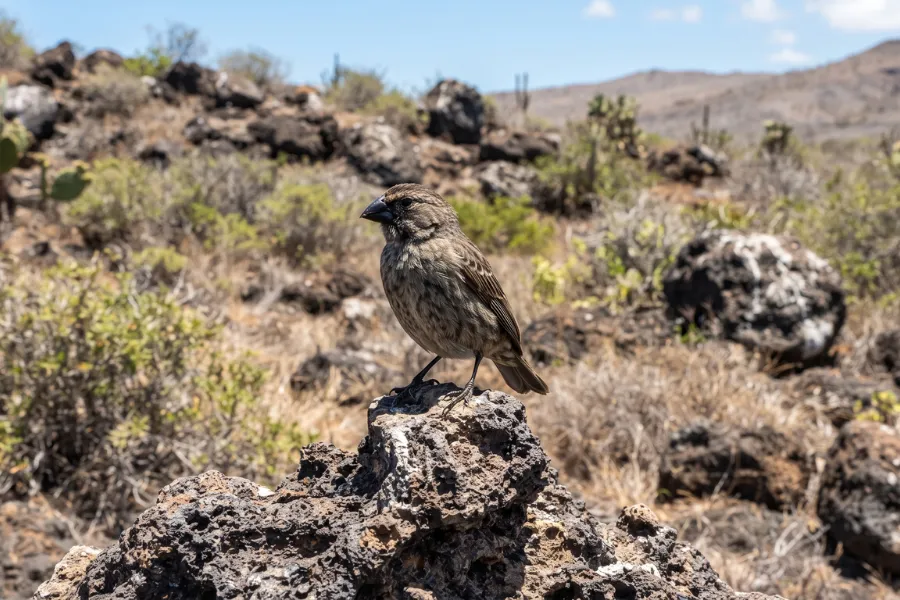
Charles Darwin visited the Galápagos Islands in 1835. There, he observed striking patterns among the finches and tortoises. These observations later shaped his theory of natural selection. Because the islands stayed so isolated, evolution unfolded there almost like a living laboratory. Scientists still study this legacy today through institutions like the Charles Darwin Foundation.
10. Galápagos Has Animals Found Nowhere Else
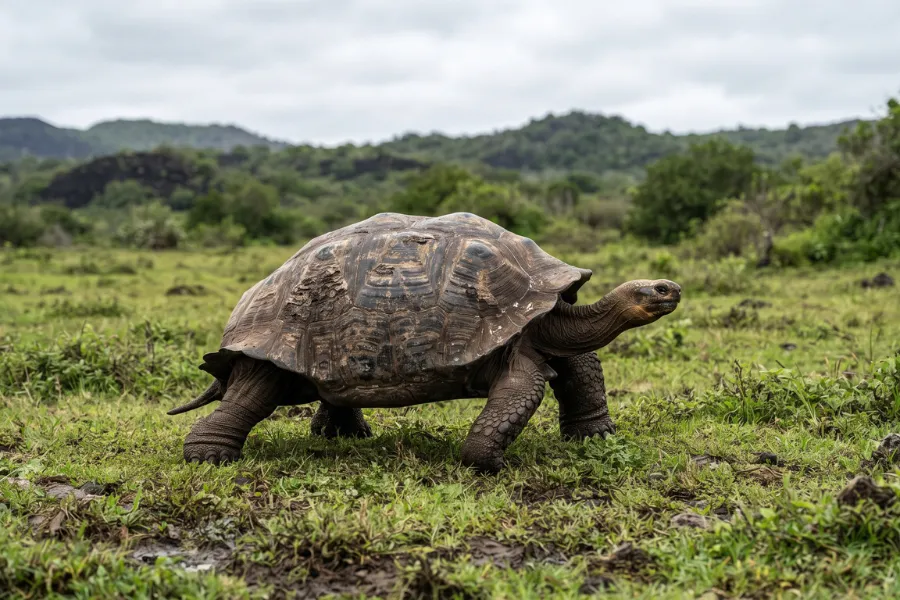
The Galápagos Islands shelter many endemic species, including the giant Galápagos tortoise, the marine iguana, the Galápagos penguin, and the flightless cormorant. These animals evolved in near-total isolation. As a result, they developed traits found nowhere else on the planet.
11. Ecuador Hosts a Mountain That Sits Closest to Space
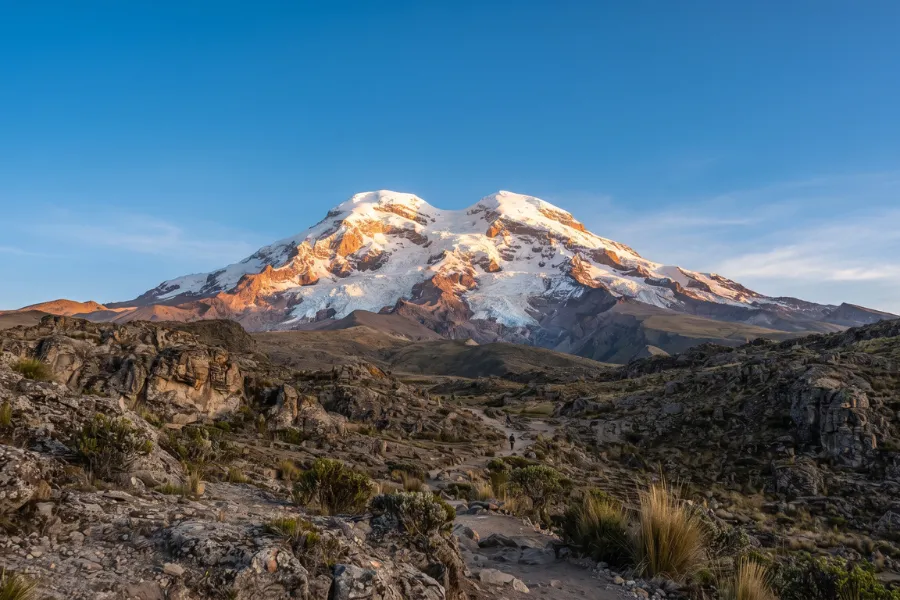
Mount Everest may stand tallest when measured from sea level. But Ecuador’s Mount Chimborazo actually sits closer to space than any other peak. The Earth bulges slightly at the Equator, and this bulge pushes Chimborazo’s summit farther from the planet’s centre than Everest’s peak.
12. Ecuador Makes the Famous “Panama Hat” — Not Panama
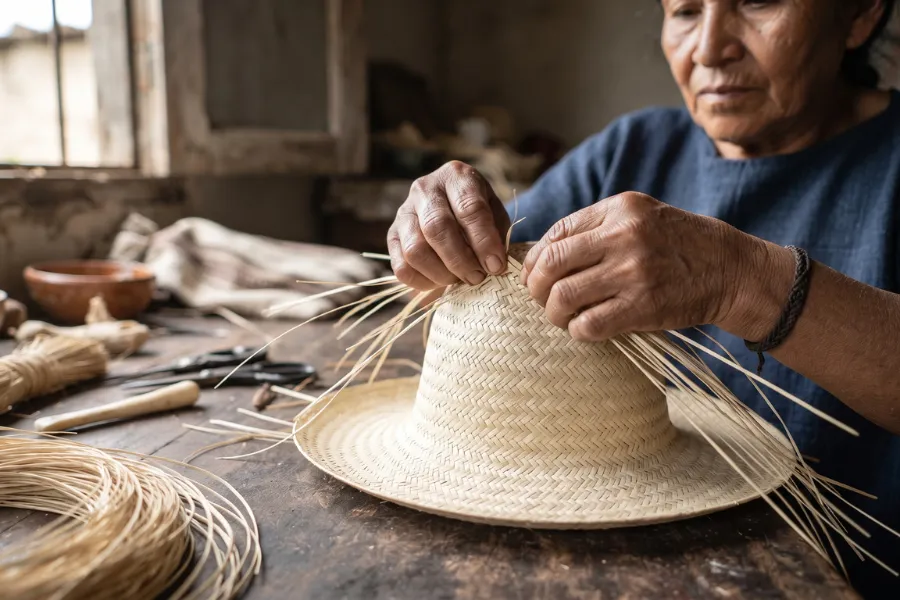
The Panama hat actually comes from Ecuador, despite its misleading name. Weavers in Montecristi craft these hats from toquilla straw using a traditional technique. UNESCO even recognised this craft as Intangible Cultural Heritage. The confusing name stuck because traders once exported these hats through Panama during the construction of the Panama Canal.
13. Guinea Pigs Serve as Both Pets and Traditional Food
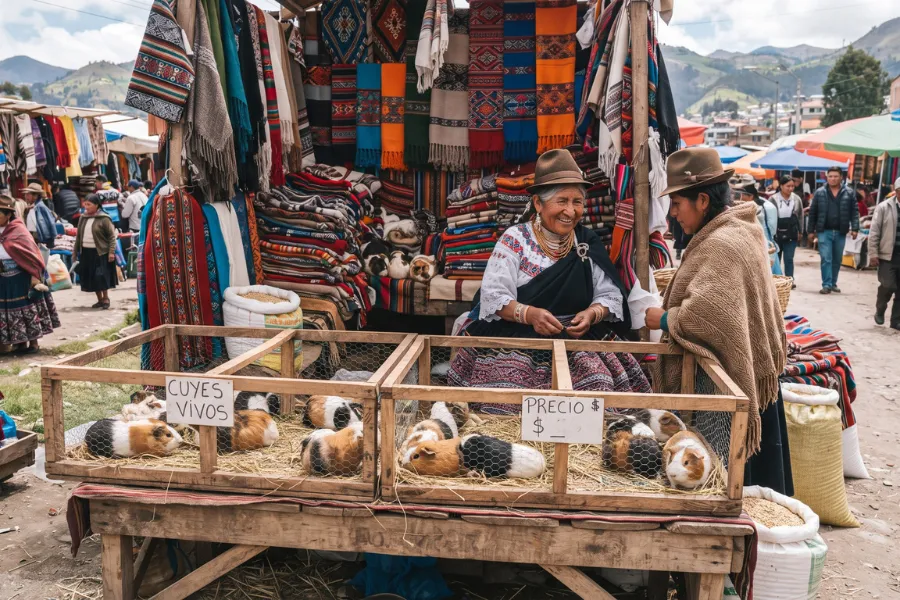
Many countries keep guinea pigs only as pets. Andean communities in Ecuador, however, traditionally raise them as food, calling the dish cuy. This custom dates back centuries and remains an important part of Andean culinary heritage today.
14. Ecuador Turns Buses Into Rolling Parties Called Chivas
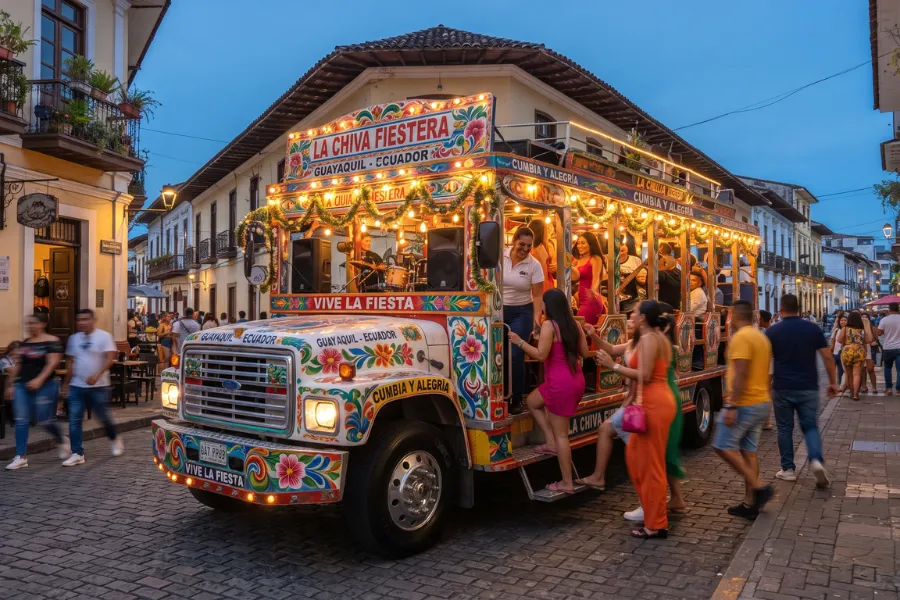
In cities like Quito and Guayaquil, locals convert buses into colourful party vehicles known as chivas. Riders enjoy loud music and dancing as the open-air bus rolls through the streets. Over time, chivas became a lively symbol of Ecuadorian celebration culture.
15. Ecuador Grows Extraordinary Orchids
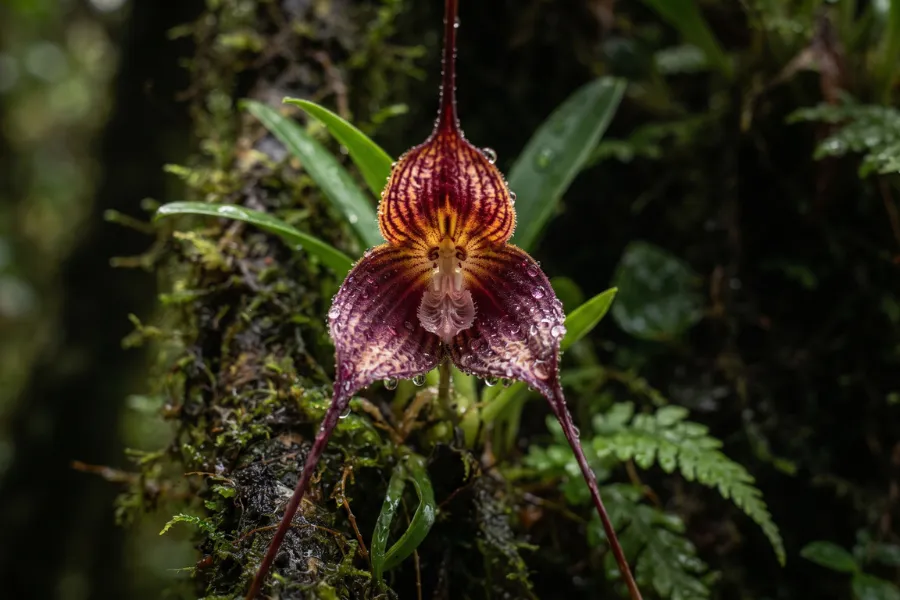
Ecuador hosts thousands of orchid species, and many of them grow nowhere else in the world. The country’s varied ecosystems, from cloud forests to lowland jungles, create ideal conditions for this incredible floral diversity.
16. Ecuador Cultivates Hundreds of Corn Varieties
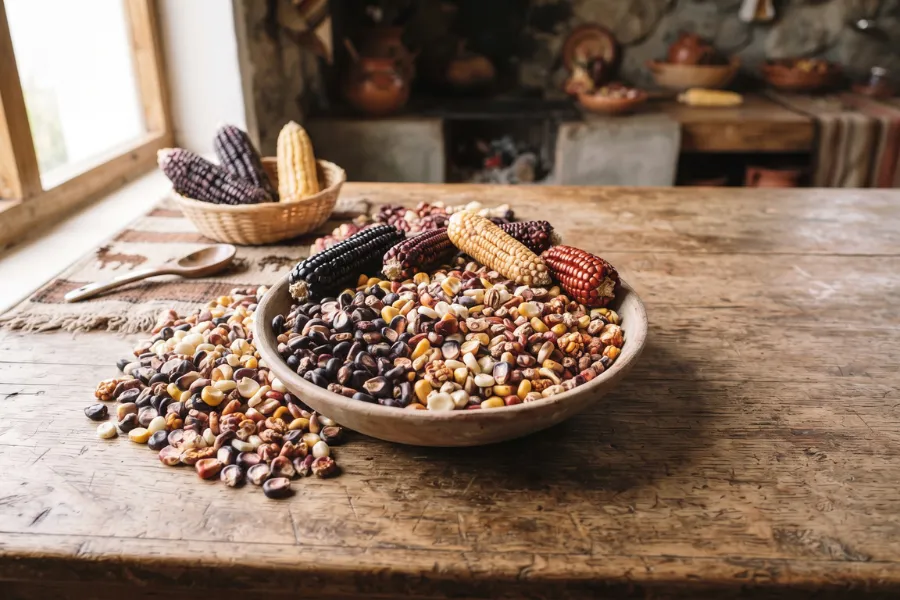
Corn plays a central role in Ecuador’s indigenous food traditions. Farmers still cultivate hundreds of native varieties today. Cooks use these varieties to prepare traditional dishes like mote, and corn remains deeply woven into everyday Ecuadorian culture.
17. Ecuadorian Roses Win Fame Around the World
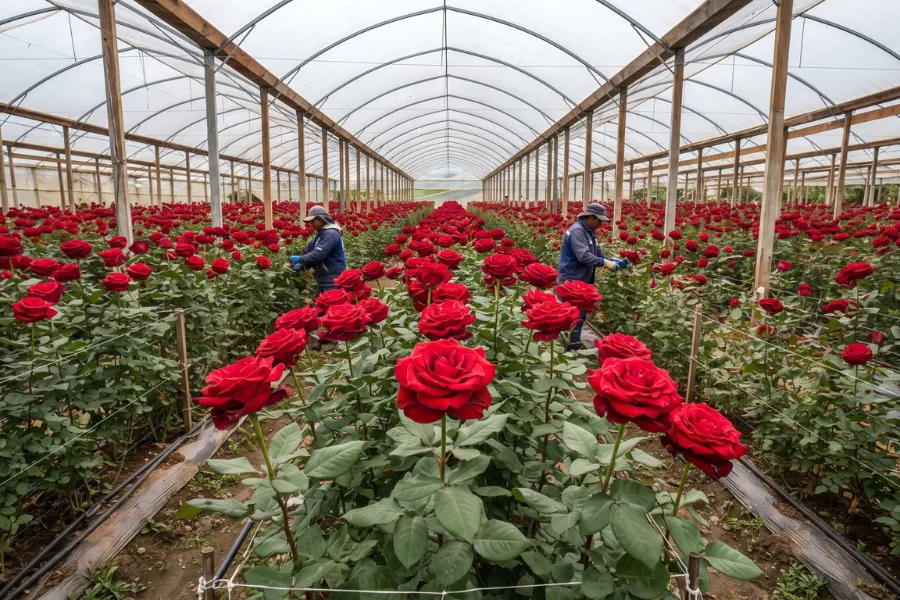
High-altitude farms near the Equator produce exceptionally large blooms with long stems. These ideal growing conditions turned Ecuador into one of the leading exporters in the global flower industry.
18. Ecuador Ranks Among the World’s Top Banana Producers
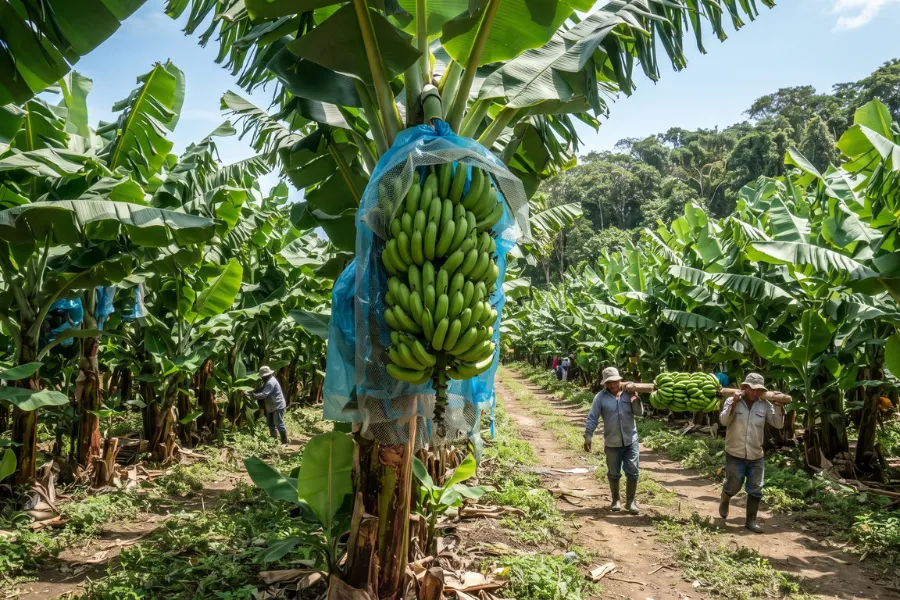
Ecuador’s warm, tropical climate fuels one of the largest banana export industries on the planet. This sector plays a major role in the national economy and employs countless families across the country.
19. Ecuador Produces Some of the World’s Finest Cacao
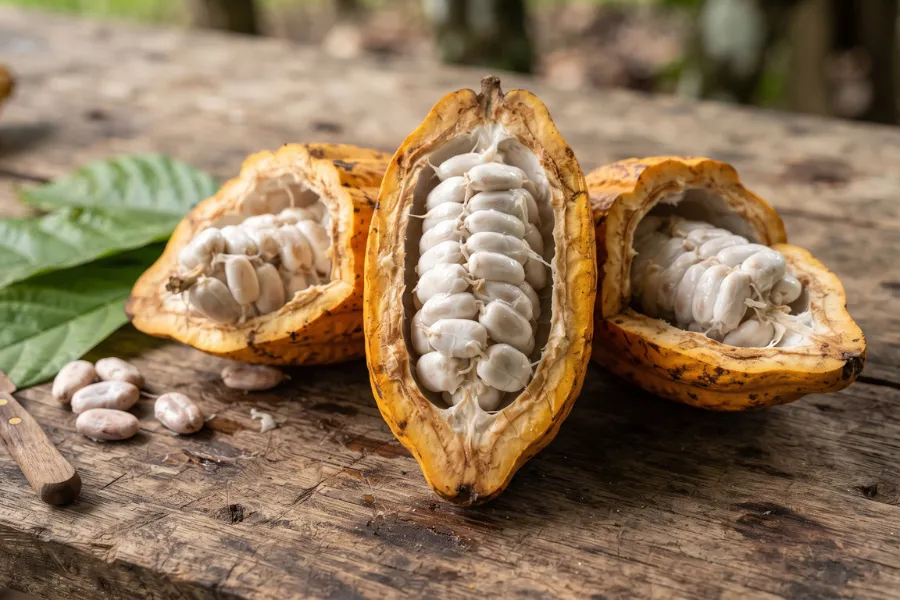
Ecuador grows a rare variety called Cacao Nacional, or “Arriba” cacao. Chocolate makers around the world prize it for its fine aroma. This reputation places Ecuadorian chocolate among the finest available globally.
20. Ecuador Hides Volcanoes in Unexpected Places
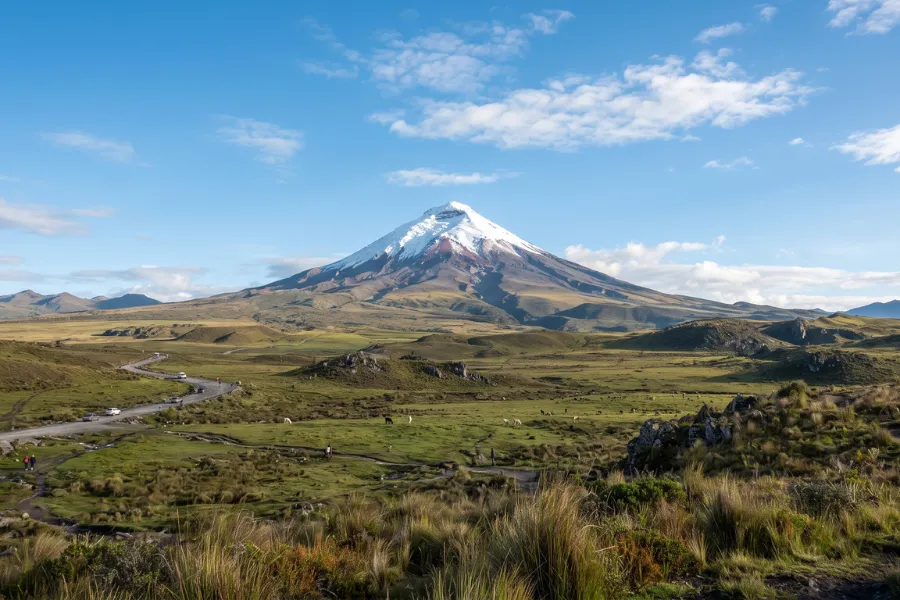
Ecuador sits along the Andean volcanic belt. Several notable peaks rise here, including Cotopaxi, Chimborazo, Cayambe, and Tungurahua. Both active and dormant volcanoes scatter across the country, shaping much of its dramatic landscape.
21. Ecuador Has a Snow-Covered Volcano Near the Equator
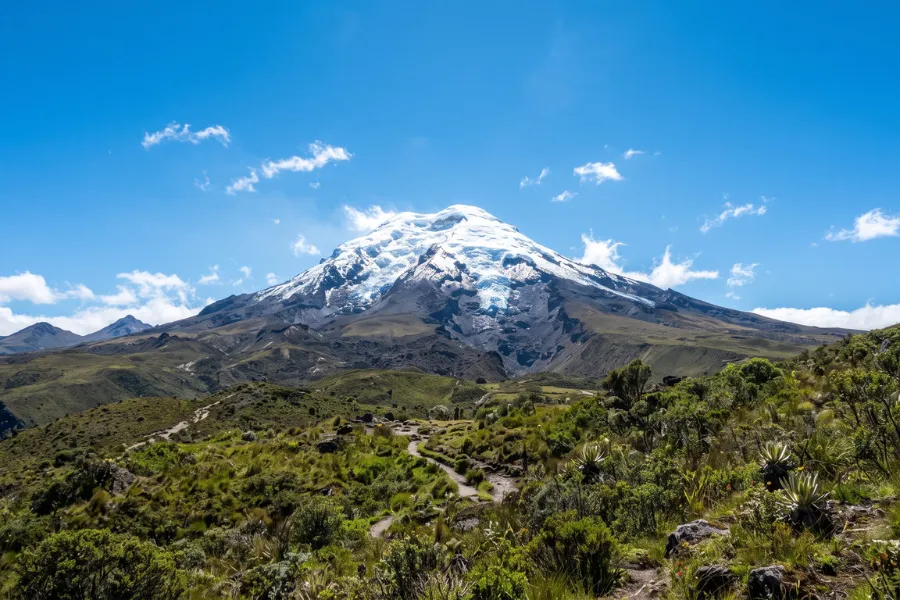
Mount Cayambe sits almost directly on the Equator, yet snow and glaciers cover it year-round. Its extreme elevation keeps temperatures cold enough to maintain permanent ice, creating this unusual combination.
22. The Galápagos Penguin Lives Near the Equator
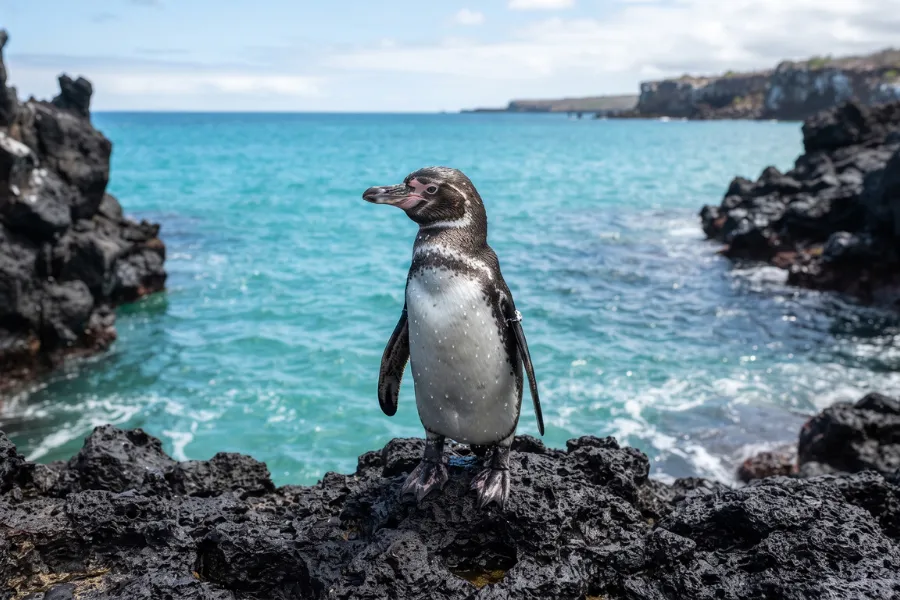
Most penguin species live in cold polar regions. The Galápagos penguin, however, thrives near the Equator. Cool waters from the Humboldt and Cromwell currents flow through the islands, supporting a surprisingly cold-water marine ecosystem in a tropical setting.
23. Ecuador Protects Some of the World’s Most Extraordinary Ecosystems
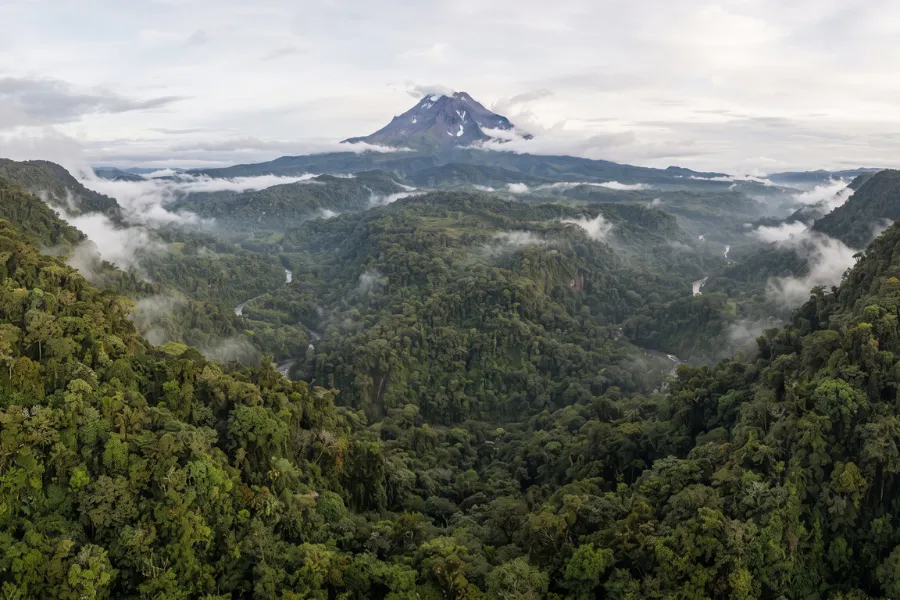
Ecuador has set aside vast areas for conservation, including Galápagos National Park, Yasuní National Park, and Sangay National Park. These protected zones safeguard Amazon rainforest, Andean cloud forest, and rich marine ecosystems for future generations.
24. The Galápagos Islands Hold UNESCO World Heritage Status
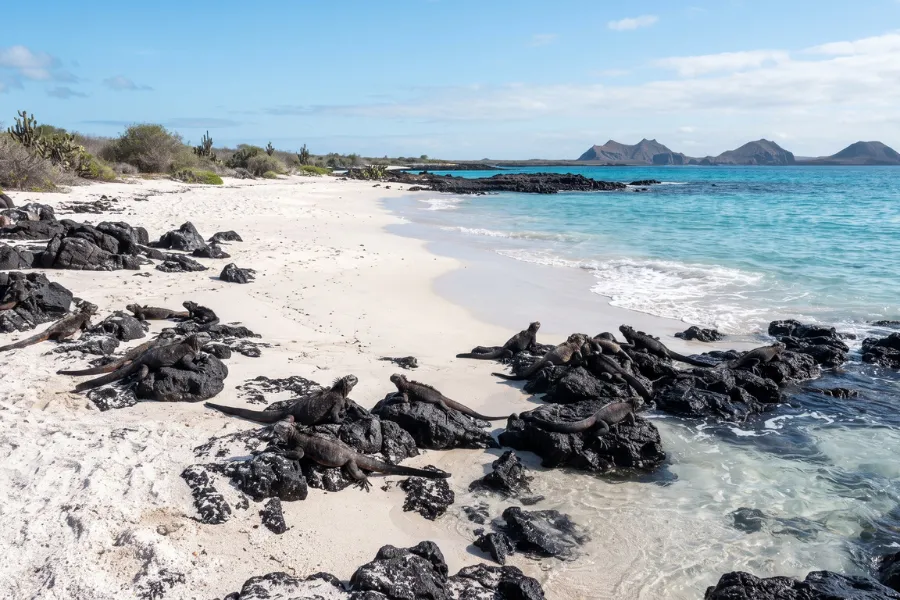
UNESCO recognised the Galápagos Islands for their outstanding geological history and unique endemic species. In fact, these islands ranked among the very first sites ever added to the World Heritage list. Authorities also established a vast marine reserve to protect the surrounding waters.
25. Ecuador Packs Remarkable Biodiversity Into a Surprisingly Small Country
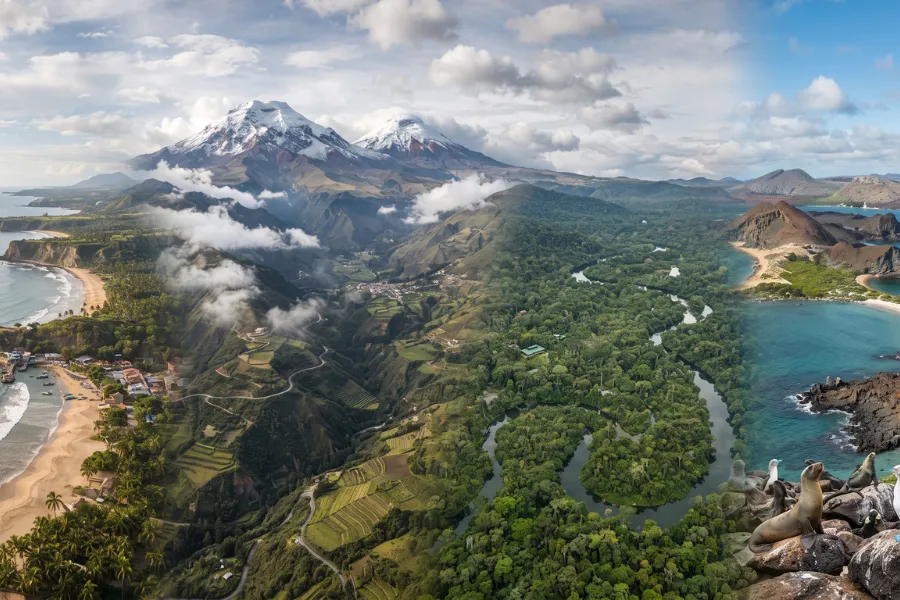
Combine the coast, the Andes, the Amazon, and the Galápagos, and you get an astonishing level of species diversity in one small nation. This mix explains why so many unusual facts about Ecuador continue to surprise travellers and scientists alike.
Strange Animals You Can Find in Ecuador
Ecuador shelters several unusual creatures. Here are a few of the most notable:
- Giant Galápagos Tortoises – among the longest-living animals on Earth
- Marine Iguanas – the only lizards known to forage in the sea
- Galápagos Penguins – the only penguin species found north of the Equator
- Hummingbirds – dozens of dazzling species fill the Andean cloud forests
- Andean Condors – one of the largest flying birds in the world
- Flightless Cormorants – found only in the Galápagos, having lost the ability to fly
Strange and Delicious Ecuadorian Foods
Ecuador’s diverse regions shape its cuisine. A few traditional dishes stand out:
- Cuy – roasted guinea pig, a traditional Andean delicacy
- Cacao and Chocolate – made from the world-renowned Arriba cacao
- Mote and Corn Dishes – hearty meals built around native corn varieties
- Ecuadorian Ceviche – a tangy, citrus-based seafood dish, distinct from its Peruvian counterpart
- Traditional Andean Foods – hearty stews and grains suited to high-altitude living
Ecuador’s Most Unusual Natural Wonders
Travellers and nature lovers should not miss these destinations:
- Galápagos Islands – a living laboratory of evolution
- Mount Chimborazo – the closest point on Earth to space
- Amazon Rainforest – home to walking trees and rare wildlife
- Andes Mountains – dramatic peaks and high-altitude cities
- Cotopaxi Volcano – one of the world’s highest active volcanoes
- Yasuní National Park – widely considered one of the most biodiverse places on the planet
Frequently Asked Questions About Unusual Facts About Ecuador
What is the most unusual fact about Ecuador?
Many people point to Mount Chimborazo. It sits closer to space than Mount Everest because of the planet’s equatorial bulge.
What is Ecuador best known for?
Ecuador is best known for the Galápagos Islands, its role in Darwin’s theory of evolution, and the Equator line that gives the country its name.
Why is Ecuador called Ecuador?
The country takes its name from the Equator, which crosses its territory directly.
What is unusual about the Galápagos Islands?
Extreme isolation shaped unique endemic species there, such as marine iguanas and flightless cormorants, found nowhere else on Earth.
Why is Chimborazo considered closer to space than Everest?
The Earth’s equatorial bulge pushes Chimborazo’s summit farther from the planet’s centre than Everest’s peak, even though Chimborazo stands shorter from sea level.
Is the Panama hat really from Ecuador?
Yes. Weavers in Montecristi, Ecuador, traditionally make Panama hats from toquilla straw. The misleading name comes from their export history through Panama.
What animals are unique to Ecuador?
Species like the Galápagos tortoise, marine iguana, and Galápagos penguin live only in Ecuador’s Galápagos Islands.
Why is Ecuador so biodiverse?
Four completely different ecosystems — coast, Andes, Amazon, and Galápagos — fit inside one small country, and this mix creates an unusually wide range of habitats for wildlife.
Does the Equator pass through Ecuador?
Yes. The Equator passes directly through mainland Ecuador and through parts of the Galápagos Islands too.
What food is Ecuador famous for?
Ecuador is famous for its fine cacao, traditional ceviche, and Andean dishes like cuy and mote.
Final Thoughts on Unusual Facts About Ecuador
Few countries pack as much wonder into so small a space as Ecuador. Equatorial snow-capped volcanoes, islands that reshaped scientific thought, and rich culinary traditions all live within its borders. This list of unusual facts about Ecuador only scratches the surface of what this country offers. To keep exploring South America’s hidden wonders, check out the unusual facts about Peru and the fun facts about Colombia next.