
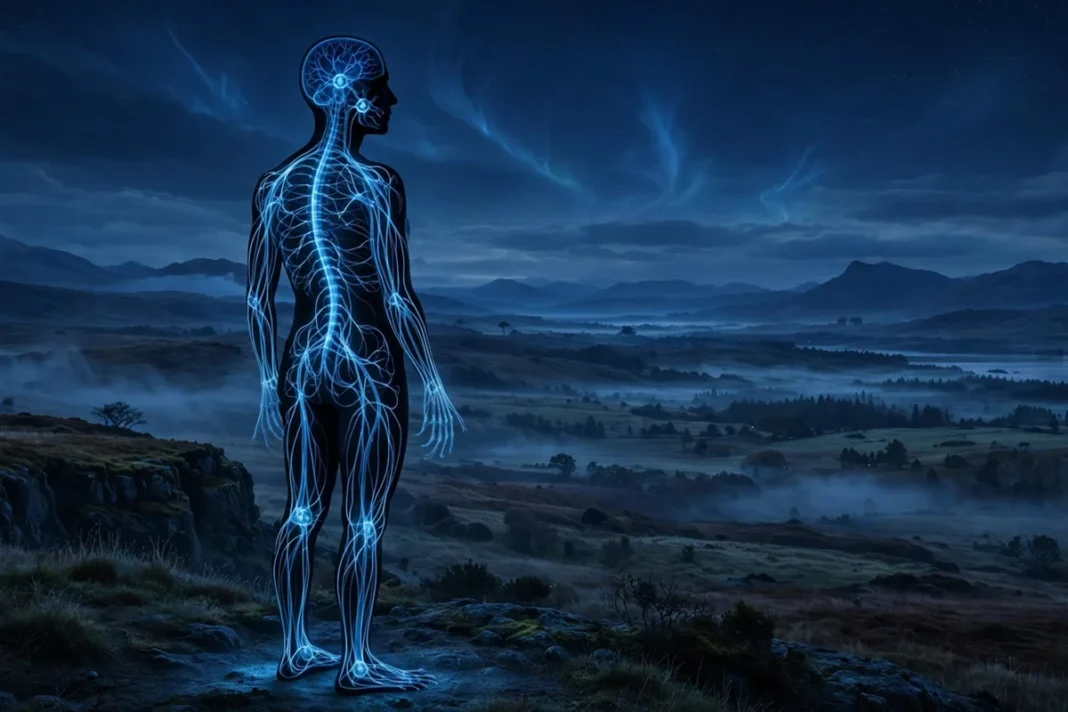

Have you ever paused to think about the complex biological machine you carry around every single day? Beneath your ordinary exterior, all sorts of wild and uncanny things are happening right this second without you even noticing. If you love exploring weird body facts and uncovering the hidden marvels of science, you are in for a treat. Some of these discoveries might sound a little strange or unsettling at first glance, but they are completely natural parts of how we function. Whether you are curious about your nightly biology or looking for fun facts about science to share with your friends, these insights reveal just how fascinating your anatomy truly is. Let us dive right into some of the most surprising and creepy facts about the human body that will completely change how you view yourself.
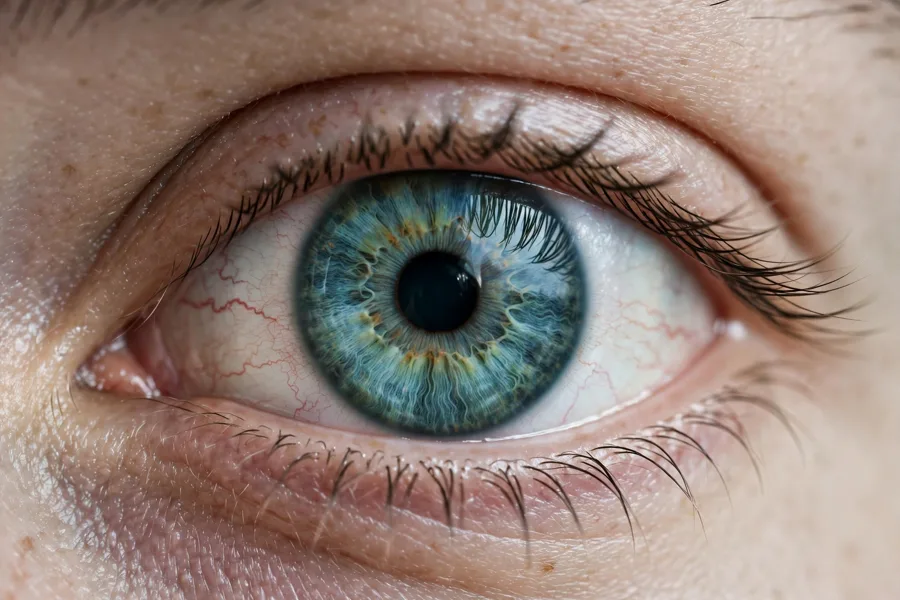
1. Tiny Demodex Mites Hiding in Your Hair Follicles
Tiny Demodex mites live in your eyelash and facial hair follicles, come out at night to mate on your skin, and up to 90% of adults play host to them. Although the thought of microscopic arachnids crawling across your face while you sleep sounds like a scene from a horror movie, it is a completely normal part of human biology. These little creatures generally go about their business quietly without causing any harm to your daily life. However, they are just one of many disturbing facts about the human body that remind us we are never truly alone in our skin.
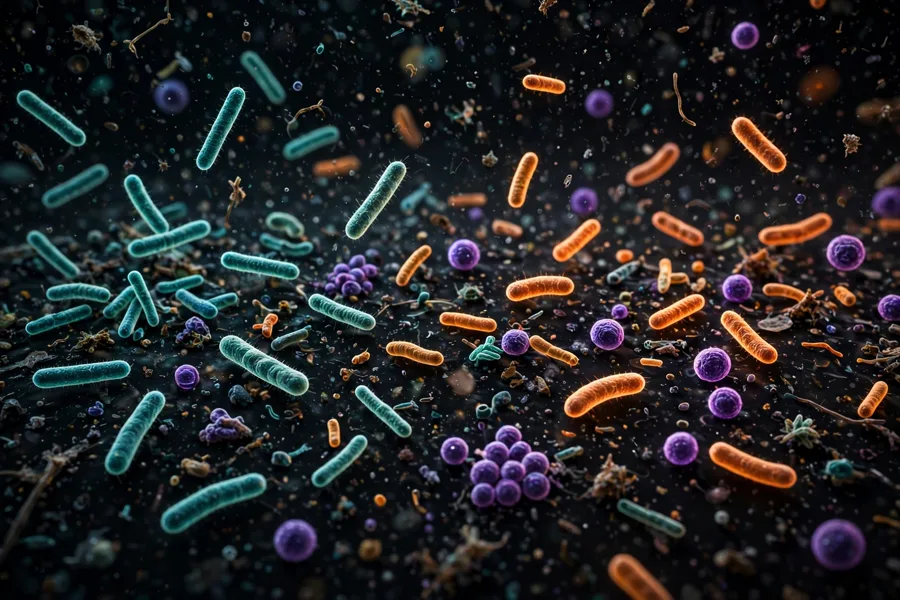
2. You Are Actually Half Microbial by Cell Count
By cell count you are roughly half microbial — your body carries about 38 trillion bacteria, about the same as your roughly 30 trillion human cells. Meanwhile, bacteria weigh only about 0.2 kg in total, meaning these tiny passengers are extremely small despite their massive numbers. This fascinating biological reality highlights how deeply intertwined we are with the microbial world around us every day. As a result, your body functions more like a bustling ecosystem than a single standalone organism, and it is easily one of the strangest creepy facts about the human body.
3. Your Body Actually Glows in Visible Light
Your body actually glows in visible light — but the glow is about 1,000 times weaker than your eyes can detect, and it rises and falls with your daily body clock. For example, your metabolic processes naturally emit faint photons through chemical reactions happening inside your cells. Although you cannot see this ethereal radiance in a dark room, sensitive scientific instruments can easily capture it. It is just another one of those weird body facts that sounds like science fiction yet remains entirely true.
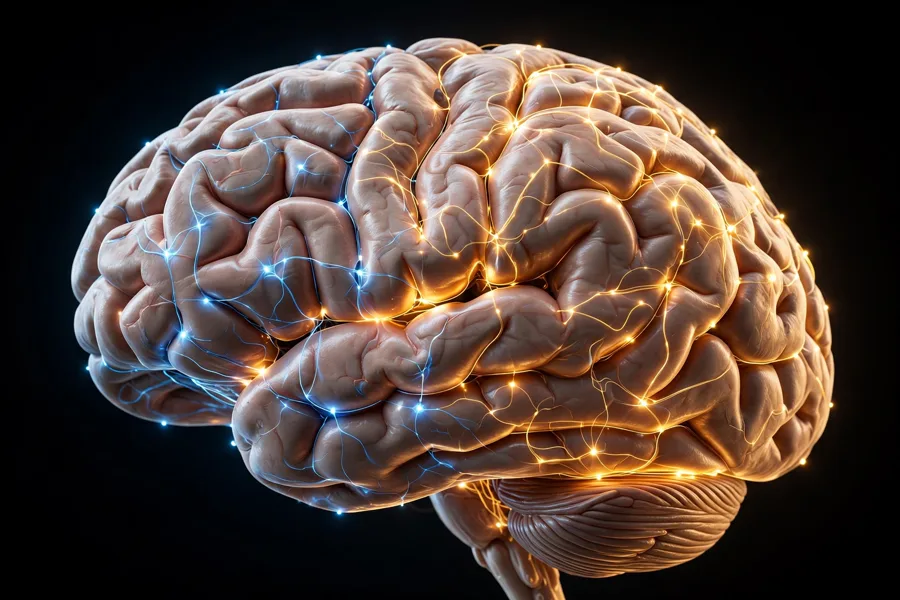
4. Your Brain Has No Pain Receptors at All
Brain tissue itself has no pain receptors — which is why surgeons can operate on the brain of a patient who is awake and talking to them. Meanwhile, the scalp and membranes do feel pain and are numbed; only the brain tissue itself does not feel a thing. This unique quirk allows neurosurgeons to map delicate brain functions while the patient remains conscious and responsive on the table. If you want to explore more psychological facts about the human mind and behavior, understanding how our neural hardware operates is a fantastic place to start.
5. Your Nose Can Discriminate a Trillion Smells
Your nose can discriminate at least one trillion different odours — far more than the roughly 10,000 scents scientists believed for decades. For instance, your olfactory system processes complex chemical signatures in the air with astonishing precision every time you take a breath. This incredible sensitivity helps you navigate your environment and detect subtle changes in the world around you. Therefore, your sense of smell is far more powerful than you might have ever imagined — another entry on the list of creepy facts about the human body hiding in plain sight.
6. Most of Your Serotonin Lives in Your Gut
Around 90% of your body’s serotonin is made in your gut, not your brain. However, that gut serotonin never crosses into the brain, so it does not directly steer your mood the way brain serotonin does. Instead, this vast chemical production helps manage critical digestive functions and keeps your gastrointestinal tract running smoothly. It is a striking reminder that our internal organs communicate through complex biochemical pathways far beyond our conscious control.
7. Your Stomach Constantly Replaces Its Own Lining
The surface lining of your stomach is completely replaced every 3 to 6 days — if it were not, your own stomach acid would digest the stomach itself. Because gastric acid is strong enough to break down tough food, your body must constantly regenerate its internal cellular armor to prevent self-destruction. As a result, your digestive system engages in a lightning-fast cycle of renewal every single week. This remarkable maintenance process is essential for keeping your internal organs safe and healthy.
8. Babies Start Life With Around 300 Bones
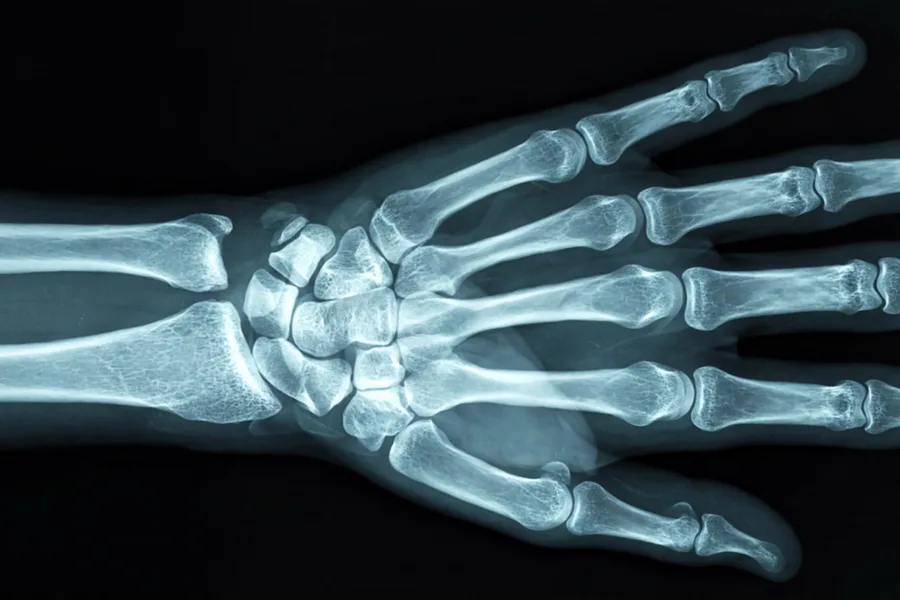
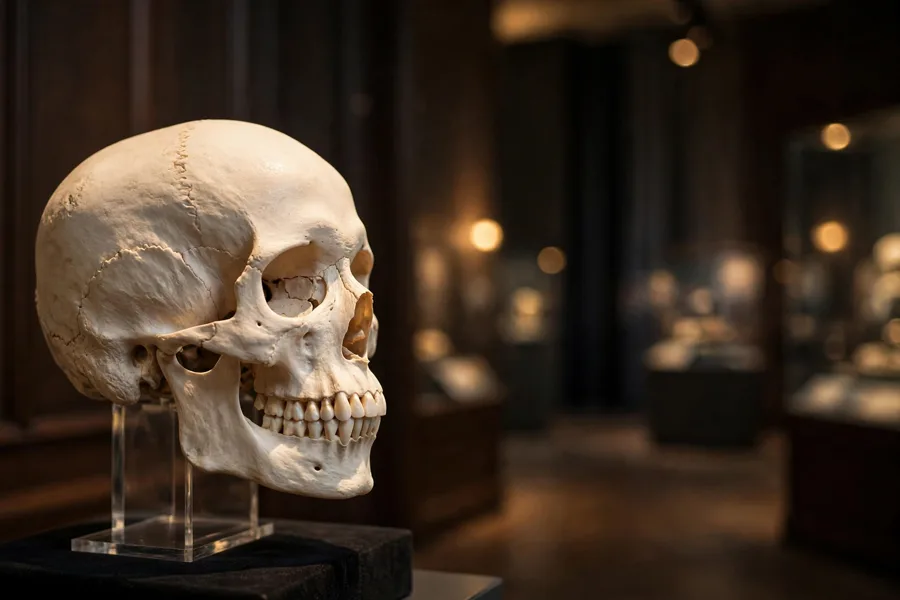
Babies are born with about 300 bones and cartilage pieces — but many fuse together as they grow, leaving adults with just 206 bones. Over time, smaller skeletal components merge during childhood to provide greater structural strength and stability for adult life. For example, a newborn skull starts out with flexible plates that eventually knit securely together as they mature. This gradual skeletal consolidation is one of the most intriguing developmental creepy facts about the human body.
9. Your Brain Cleans Itself While You Sleep
While you sleep, your brain’s glymphatic cleaning system flushes away waste including beta-amyloid — in sleeping mice it cleared about twice as fast as in awake mice, as the space between brain cells expanded by roughly 60%. Although this remarkable waste-removal process has been demonstrated in mice, researchers believe a similar restorative mechanism protects human neurological health overnight. Therefore, getting a full night of rest is absolutely vital for clearing out cellular debris from your central nervous system. It is a fascinating biological cleanup operation that occurs entirely out of sight.
10. Sleep Paralysis Keeps You Safe From Your Dreams
During dream sleep your brain deliberately paralyses your voluntary muscles so you cannot act out your dreams — and sleep paralysis is what happens when you wake up before that paralysis switches off. For instance, this safety mechanism prevents you from flailing wildly or running around your bedroom while experiencing vivid nighttime visions. However, waking up before the switch flips back can be a startling and eerie experience for anyone involved. It is a brilliant yet unsettling entry in the catalogue of creepy facts about the human body linked to our nightly slumber.
11. Your Tongue Print Is Completely Unique
Your tongue print is unique to you — even identical twins do not have matching tongue prints. Just like your fingertips, the muscular contours and texture of your tongue feature a distinct pattern that belongs to you alone. Scientists have even studied tongue geometry as a potential biometric identifier for security and identification purposes. It is a bizarre anatomical detail that proves every single human being possesses truly one-of-a-kind features.
12. Your Cornea Absorbs Oxygen Straight From the Air
Your cornea has no blood vessels at all — it pulls the oxygen it needs directly from the air through your tear film. Because your eyes need to remain perfectly transparent for clear vision, having a network of blood capillaries running across your pupils would block incoming light. Instead, your outer eye relies entirely on direct atmospheric absorption to stay healthy and oxygenated. This clever design solution is one of the many stunning marvels hidden inside creepy facts about the human body.
13. Your Heart Beats Independently Without Your Brain
Your heart does not need your brain to tell it to beat — its sinoatrial node generates its own electrical impulses, driving over 100,000 beats a day. Even if separated from the central nervous system under specific conditions, cardiac muscle tissue can continue contracting all on its own. This autonomous internal pacemaker ensures your circulatory system never takes a moment off. It is an extraordinary example of how our vital organs operate with astonishing self-sufficiency.
14. Gravity Squeezes Your Spine Throughout the Day
You wake up about 1 to 2 centimetres taller than you were at bedtime, because your spinal discs rehydrate and decompress overnight — then gravity squeezes it back out during the day. It is a temporary fluid shift, not true growth, happening inside the spongy cartilage cushioning your vertebrae. As you move around upright, your body weight gradually compresses those discs back down over the course of the day. This daily stretching and shrinking routine is a fascinating hidden fluctuation in your height.
15. You Shed Dead Skin Cells Every Single Day
Your skin is your body’s largest organ — and the surface you can see and touch is a layer of dead cells that you shed every single day. According to the Cleveland Clinic’s guide to how skin works, microscopic skin flakes continually fall away into our environment. This constant shedding process helps protect underlying tissues while clearing away worn-out cellular debris. It is a completely natural cycle that keeps your protective outer barrier fresh and functional.
16. Your Thigh Bone Is Stronger Than Steel
Ounce for ounce, your femur (thigh bone) is stronger than steel — and it can support around 30 times your body weight. This incredible skeletal strength allows you to walk, run, and jump without fracturing your lower limbs under heavy loads. The dense internal architecture of human bone is specially engineered to absorb tremendous physical stress. It is a remarkable structural marvel that supports your entire frame effortlessly, and one of the most impressive creepy facts about the human body.
17. Your Taste Buds Replenish Every Two Weeks
Your taste receptor cells die and are replaced roughly every two weeks — so the taste buds tasting your food today are not the ones you had last month. This rapid cellular turnover ensures that your sense of taste remains sharp despite exposure to hot beverages and spicy foods. Your tongue constantly rebuilds its delicate sensory apparatus in a continuous cycle of renewal. It is a swift and efficient biological upgrade happening right inside your mouth.
18. You Produce Enough Saliva to Fill a Pool
You produce between 0.5 and 1.5 litres of saliva every day — roughly 20,000 litres over a lifetime, enough to fill a small swimming pool. This constant fluid production helps lubricate your food, begins the digestive process, and protects your teeth from harmful bacteria. Although we rarely think about the sheer volume of spit our salivary glands create, the cumulative total is astonishing. It is a quiet liquid engine working behind the scenes around the clock.
19. You Spend Years of Your Life Blinking
You blink about 15 to 20 times a minute — 14,400 to 19,200 times a day — which means roughly 10% of your waking life is spent with your eyes closed. Each swift blink sweeps moisture across your corneas to keep them clean, clear, and protected from dust and debris. Even though these rapid eyelid movements happen almost entirely unconsciously, they add up to a significant portion of time in darkness. It is a subtle habit that keeps your vision pristine, and a quiet reminder that creepy facts about the human body are hiding in the things you do every minute.
20. The Smallest Bone Hides Inside Your Ear
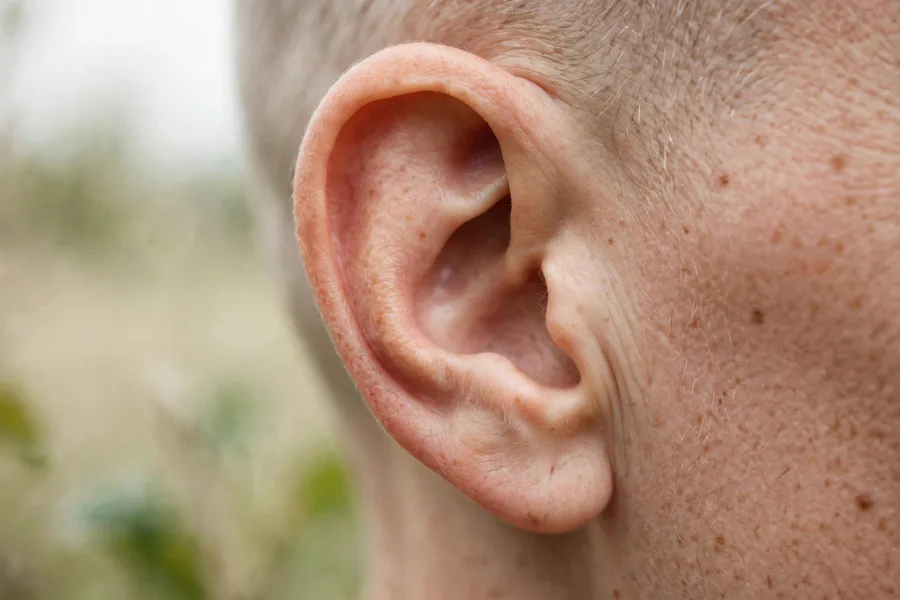
The smallest bone in your body is hiding in your ear — the stapes is only a few millimetres long, smaller than a grain of rice, yet without it sound could not reach your inner ear. This microscopic ossicle works alongside two other tiny bones to amplify acoustic vibrations and send them deeper into the auditory system. Despite its minuscule size, its role in hearing is absolutely critical for processing the sounds around you. It is a brilliant example of how big things often come in very small packages.
21. Goosebumps Are Leftovers From Our Furry Ancestors
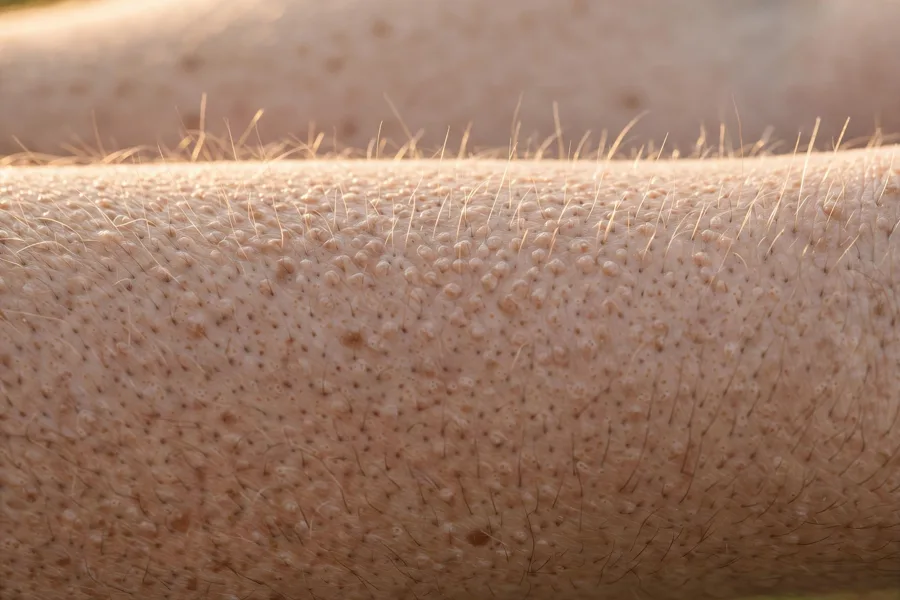
Goosebumps are a leftover animal reflex — tiny arrector pili muscles in your skin still try to raise a thick fur coat you no longer have, once used to trap warm air and make an animal look bigger. When you feel a chill or experience a rush of strong emotion, these tiny muscles contract involuntarily and pull your skin taut. Although this evolutionary trait no longer keeps us warm in the wild, it remains a visible ghost of our ancient past. It is a fascinating biological echo of animal survival instincts.
22. Your Enteric Nervous System Acts Independently
Your gut runs its own “second brain” — an enteric nervous system of about 500 million neurons that can control digestion independently, without waiting for orders from your brain. This vast network of nerve cells lines your gastrointestinal tract and manages complex digestive processes all by itself. While it maintains communication with your head through neural pathways, it possesses remarkable local autonomy. It is a truly unique control center tucked away in your abdomen — for many readers, the single most surprising of all the creepy facts about the human body.
23. You Get a Brand New Outer Skin Every Month
You effectively get a new outer skin about every month — new skin cells take roughly one month to travel from the bottom of your epidermis to the surface. As fresh cells push upward, older layers flake away unnoticed into the surrounding air and environment. This continuous regeneration cycle ensures your protective barrier remains resilient and healthy throughout your life. It is an impressive manufacturing feat running constantly across your entire body.
24. Aging Gradually Blunts Your Sense of Taste
From around age 40 to 50, your taste buds start to decrease in number and the ones left begin to shrink — one reason food quietly tastes blander as you age. As this natural shift progresses over the years, older adults often find themselves enjoying bolder spices and richer flavors. It is a gradual sensory change that happens to almost everyone as the calendar turns. This quiet culinary transition reflects the steady aging of our biological machinery.
25. Your Bones Quietly Thin as You Grow Older
Your bones begin gradually thinning from around age 30 — decades before you feel any different. Peak bone mass is typically reached around early adulthood, after which a slow and natural resorption process begins to outweigh new bone formation. Because this structural weakening happens silently without immediate pain or warning signs, maintaining an active lifestyle and proper nutrition early on is essential. It is a long-term anatomical trend that highlights the importance of lifelong health habits.
Frequently Asked Questions
Still curious? Here are the questions readers ask most often about creepy facts about the human body, answered from the facts above.
1. What are 10 creepy facts about the human body?
Ten unsettling insights include tiny Demodex mites mating on your face at night, your brain cleaning itself through the glymphatic system during sleep, sleep paralysis locking your muscles during dreams, and your stomach constantly replacing its lining to avoid digesting itself. Other strange realities involve your body glowing faintly in visible light, your bones thinning silently from age 30, your gut operating an independent nervous system, your corneas absorbing oxygen straight from the air, your spine compressing throughout the day due to gravity, and you shedding a layer of dead skin cells every single day.
2. What are some weird human facts?
Strange bodily traits include having a tongue print that is completely unique even in identical twins, producing up to 1.5 litres of saliva every day, and blinking enough that roughly 10% of your waking life passes with your eyes closed. Additionally, babies start life with about 300 bones that eventually fuse into 206, while your femur is stronger than steel and capable of supporting around 30 times your body weight.
3. What are scary facts about sleep?
Sleep features some eerie phenomena, such as your brain’s glymphatic cleaning system flushing away cellular waste — in sleeping mice, it cleared about twice as fast during rest as it did while awake. Furthermore, dream sleep triggers temporary muscle paralysis to keep you safe from acting out your visions, and sleep paralysis occurs if you happen to wake up before that protective paralysis switches off.
4. Do mites really live on your face?
Yes, up to 90% of adults play host to tiny Demodex mites that live inside eyelash and facial hair follicles and come out at night to mate on the skin. Although this sounds unsettling, these microscopic arachnids are a normal part of human biology and generally go about their business without causing any harm.
5. Is your gut really a second brain?
Your gut runs an enteric nervous system consisting of about 500 million neurons that can control digestion independently without waiting for orders from your head. Moreover, about 90% of your body’s serotonin is manufactured right there in your gut, though it does not cross into the brain to control mood.
6. Why do we get goosebumps if we barely have any fur?
Goosebumps are a leftover animal reflex where tiny arrector pili muscles in your skin try to raise a thick fur coat that humans no longer possess. In our animal ancestors, this reaction trapped warm air and made them look bigger when facing threats, leaving us with a visible biological echo of that ancient survival mechanism.
Final Thoughts
Exploring the strange and wonderful mechanics hidden beneath your skin is a great reminder of how incredible human biology truly is. From microscopic mites and glowing cells to self-cleaning brains and steel-strong bones, your body operates like a brilliant living ecosystem. We hope these fascinating insights gave you plenty of fun trivia to ponder and perhaps a newfound appreciation for your daily anatomy. After all, collecting creepy facts about the human body makes navigating everyday life feel just a little bit more magical.